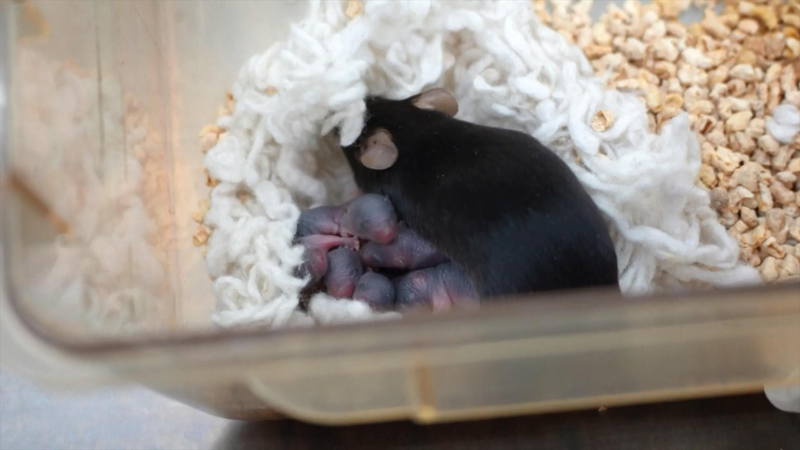
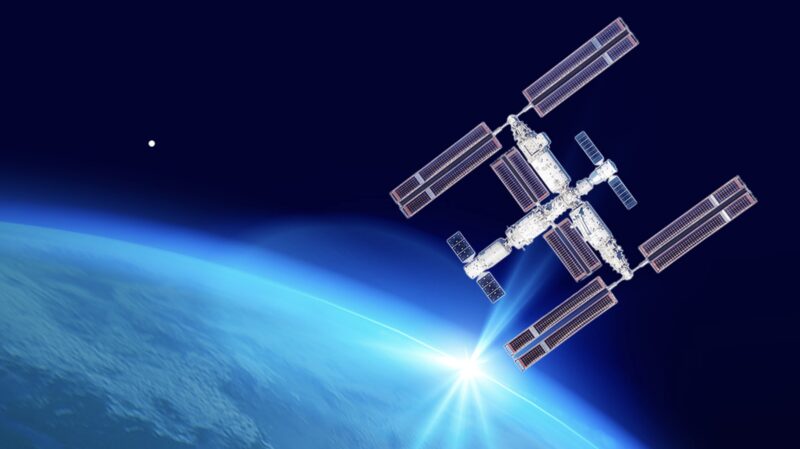
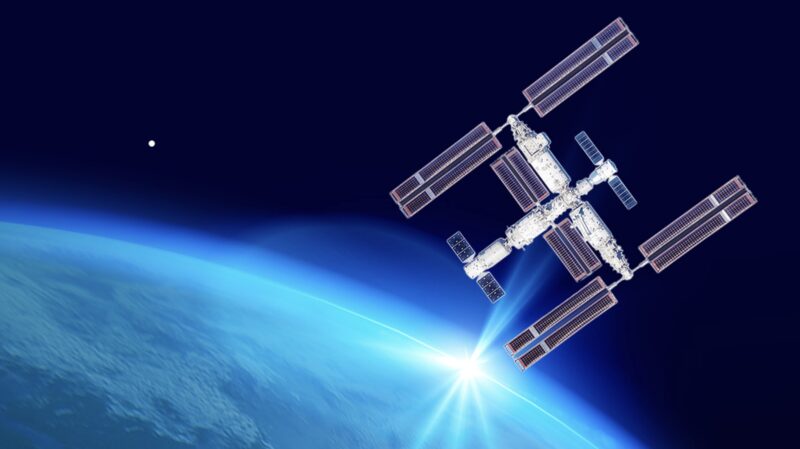
A mouse that spent two weeks aboard China's space station in late 2025 has achieved a scientific milestone by producing three consecutive healthy litters back on Earth, offering unprecedented insights into space reproduction biology. The rodent's offspring – totaling 28 pups across three litters – are being closely monitored by researchers at the Chinese Academy of Sciences' Institute of Zoology.
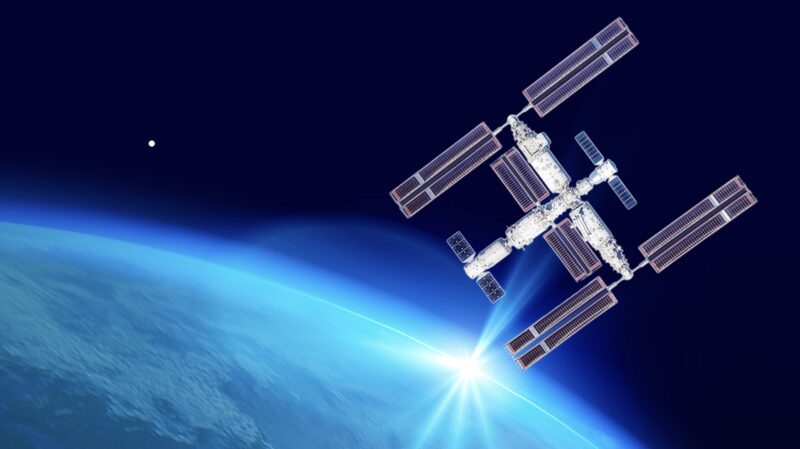
The four-space rodent crew traveled to orbit aboard the Shenzhou-21 mission in October 2025 as part of China's first small-mammal space experiment. After returning to Earth in November 2025, one female surprised scientists by producing larger-than-average litters of 9, 10, and 9 pups respectively – all exceeding typical terrestrial birth numbers.
Behavioral observations reveal generational adaptations: First-generation pups displayed cautious behaviors, while subsequent litters showed increasing confidence in navigating Earth's gravity. Researchers note this progression provides critical data about mammalian adaptation following space exposure.
With mice sharing 85% of human genes, these findings carry significant implications for future long-duration space missions. Scientists will now track the pups' development and reproductive capabilities across generations, seeking answers about potential space-induced genetic impacts.
China's space program plans expanded rodent experiments mirroring six-month human orbital missions, accelerating research into physiological responses to extended microgravity exposure. This research addresses one of space exploration's fundamental questions: the feasibility of sustaining mammalian life beyond Earth.