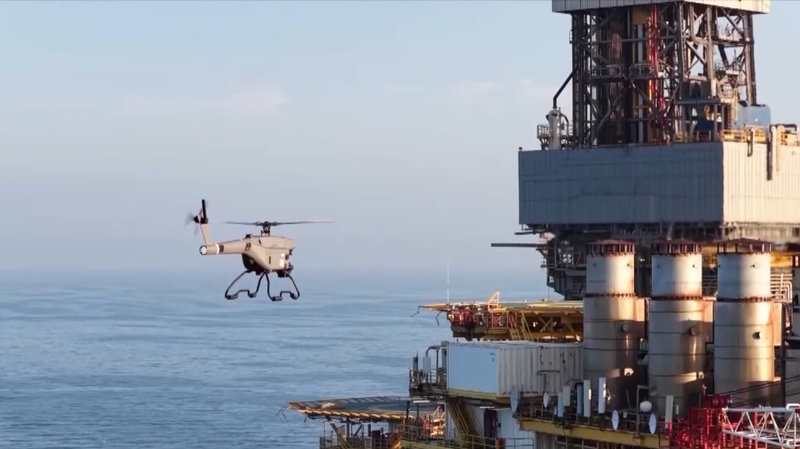
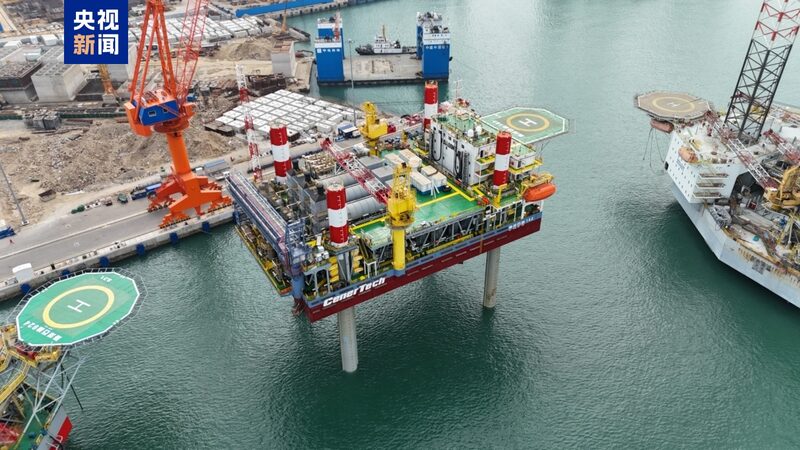
China's offshore energy sector has entered a new phase of technological integration with the full deployment of drone systems at the Weizhou 12-1 oilfield in the Beibu Gulf. Operational since Saturday, this initiative marks the first large-scale application of unmanned aerial systems in the country's marine energy infrastructure, combining resource extraction with cutting-edge low-altitude economy solutions.
The central platform now manages crude oil processing and exports for 13 production platforms through an extensive network of 18 subsea pipelines spanning 238 kilometers. According to Li Yanchuang, director of the Weizhou 12-1 oilfield at CNOOC Zhanjiang Company, drone inspections have improved operational safety while increasing efficiency by 30%: "Real-time aerial monitoring allows immediate detection of pipeline anomalies or unauthorized maritime activities, significantly reducing on-site risks for personnel."
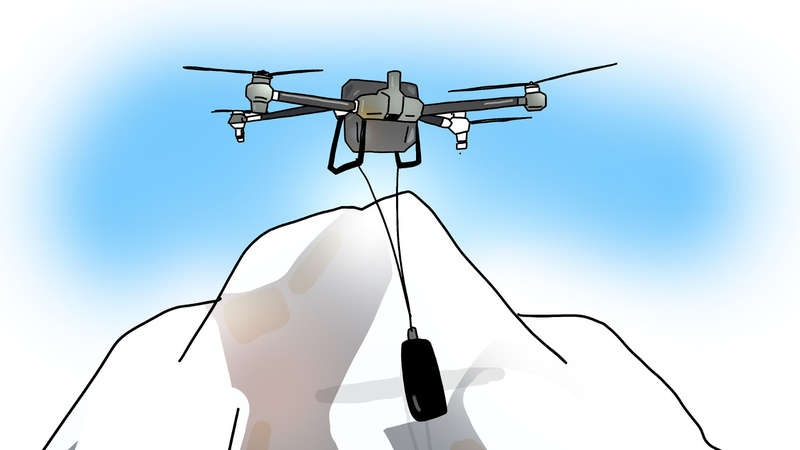
Expanding beyond initial trials, the Beibu Gulf low-altitude economy zone now integrates drone operations across 41 offshore platforms and two coastal facilities. The system enables rapid aerial inspection of over 500 kilometers of subsea infrastructure while handling critical tasks from emergency response to precision logistics. CNOOC reports drones have already surveyed 3,600 kilometers of pipelines and delivered over 1,000 cargo shipments since implementation.
Financial and environmental benefits are proving substantial, with Meng Wenbo, CNOOC Zhanjiang's coordination manager, noting: "Replacing traditional vessels and helicopters with drone networks saves 15 million yuan annually while reducing carbon emissions by 25,000 tonnes. This demonstrates how intelligent upgrades can drive sustainable energy production." The success at Weizhou 12-1 is expected to influence offshore operations across Asia's rapidly developing energy sector.