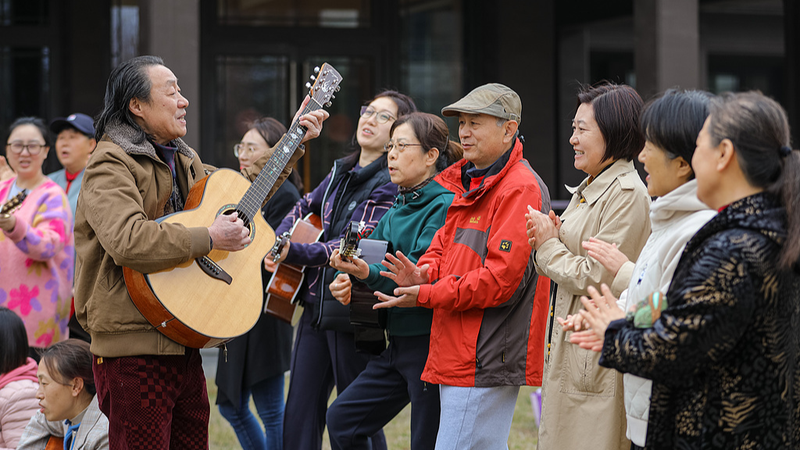
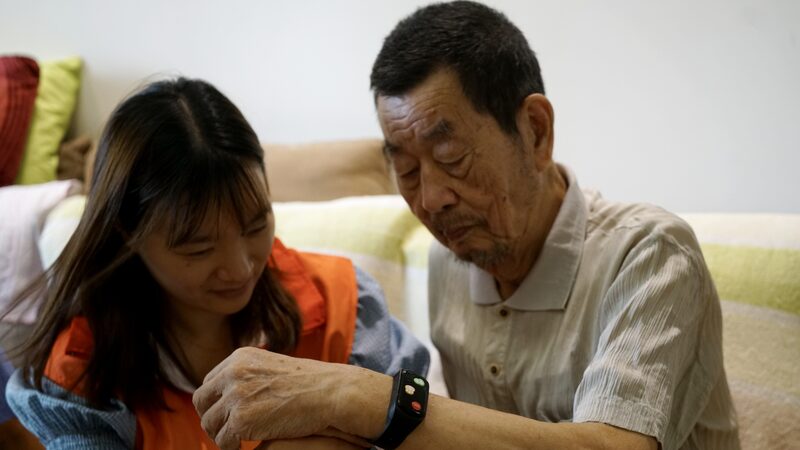
With over 323 million residents aged 60 and above – nearly a quarter of its population – China is redefining societal approaches to longevity through ambitious national strategies. As the country enters its 15th Five-Year Plan period (2026-2030), policymakers are accelerating reforms to transform aging populations into drivers of economic innovation and social progress.
From Demographic Shift to National Priority
The average life expectancy in the Chinese mainland reached 79 years in 2024, a milestone attributed to decades of public health advancements and economic growth. Professor Wang Hongman of Southeast University notes: "Longevity isn't just about adding years to life, but life to years. Our challenge is creating systems that empower seniors as active contributors to society."
Three Pillars of the Silver Economy
China's blueprint focuses on:
Expanding community-based care networks combining medical and senior services
Developing age-friendly smart cities with accessible infrastructure
Fostering innovation in elderly-focused industries projected to exceed $1.5 trillion by 2030
Global Implications
As nations worldwide confront similar demographic shifts, China's integrated approach – blending traditional family care values with modern technological solutions – offers valuable insights. The World Health Organization recently highlighted China's rural telehealth initiatives as potential models for developing economies.