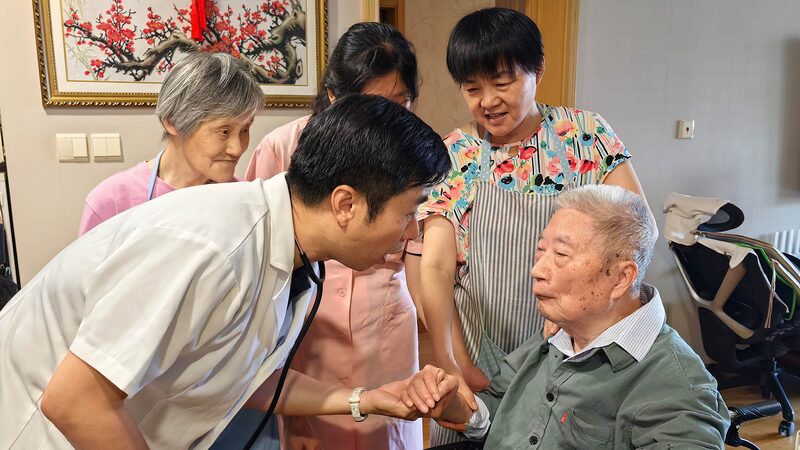
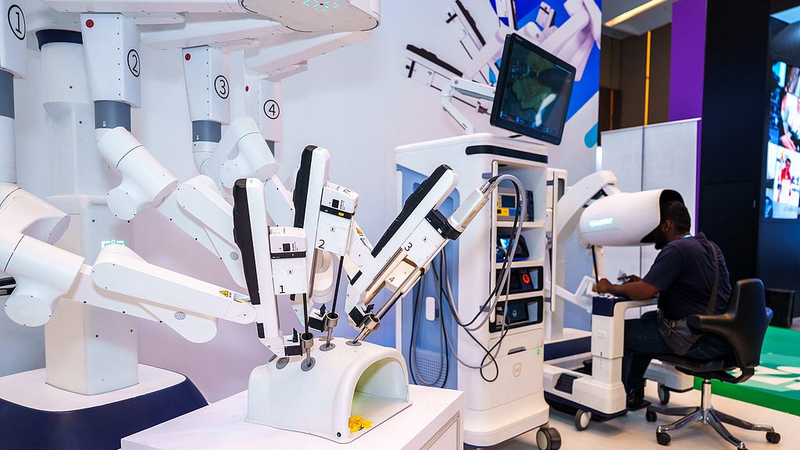
As the world observes the 19th Rare Disease Day on February 28, 2026, over 420 million patients globally – including an estimated 60 million in the Chinese mainland – are seeing renewed hope through medical innovation and policy reforms. Rare diseases, defined as conditions affecting fewer than 1 in 1,000 people, have historically challenged healthcare systems with diagnostic delays and limited treatment options.
In recent years, the Chinese mainland has established a nationwide diagnosis and treatment collaboration network spanning 324 hospitals. This system has reduced average diagnosis times from 5-7 years to under 12 months for many conditions. "The progress we've made since 2020 shows what coordinated efforts can achieve," said Dr. Li Wen, a Beijing-based geneticist specializing in rare neuromuscular disorders.
Price negotiations making 78 rare disease therapies more affordable
AI-assisted diagnostic platforms deployed in county-level hospitals
While challenges remain in drug development and long-term care, international partnerships with APEC members and European research institutions are accelerating progress. For families like the Zhangs in Shanghai, whose daughter received life-changing enzyme therapy this month, these advances represent more than medical milestones – they're the foundation for brighter futures.