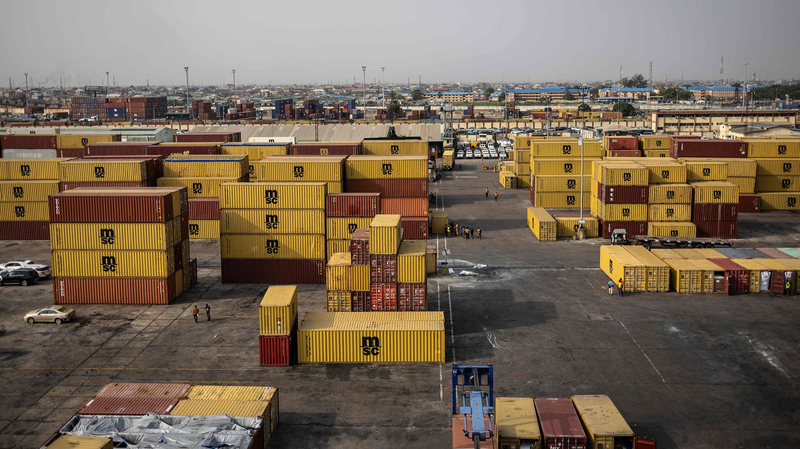
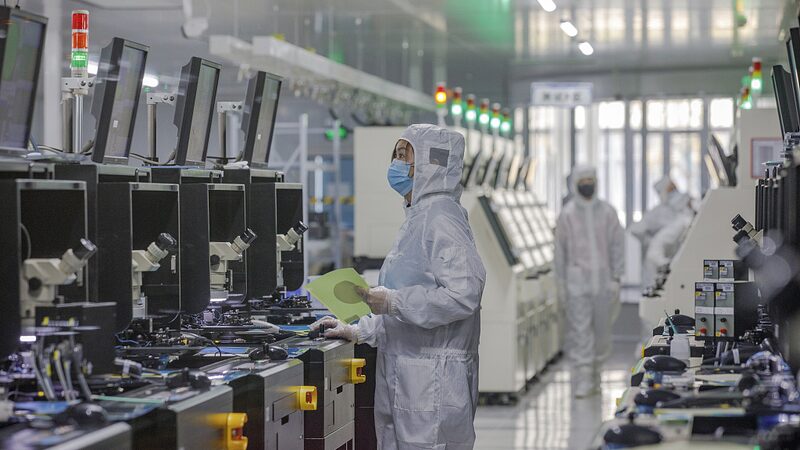
China's landmark decision to eliminate tariffs for 53 African nations starting May 1, 2026 marks a strategic shift in global trade dynamics. This policy aligns with Beijing's commitment to deepen South-South cooperation while creating new pathways for African economic transformation.
Unlocking Industrial Potential
Charles Onunaiju of Nigeria's Center for China Studies emphasizes this as Africa's structural opportunity: "Access to China's 1.4 billion-consumer market incentivizes value-added processing – the first step toward sustainable industrialization." Early beneficiaries could include Kenya's avocado exporters and Zambia's meat producers, provided they meet standardization requirements.
Synergy With Development Strategies
Zhou Mi from the Chinese Academy of International Trade highlights alignment with China's 15th Five-Year Plan objectives: "This initiative shares market growth benefits while addressing logistical cost challenges through tariff elimination." Bilateral trade growth between China and Africa has outpaced China's global trade average since 2023, reaching $289 billion in 2025.
Infrastructure & Investment Imperatives
Both experts stress the need for parallel domestic reforms in Africa:
Accelerating African Continental Free Trade Area product standardization
Expanding transport and cold-chain infrastructure
Enhancing access to export financing mechanisms
Successful models like Nigeria's Lekki Free Trade Zone demonstrate how adapted Chinese development approaches can catalyze local industrial growth.