In Shanghai's Changning District, a modest legislative outreach office established in 2015 has grown into a national model of civic engagement. The Hongqiao Subdistrict facility – first visited by President Xi Jinping in November 2019 when he articulated the concept of 'whole-process people's democracy' – now forms part of a network of 54 national and 7,800 provincial/municipal platforms connecting residents directly with lawmakers.
Bridging Governance and Community
These offices enable residents to contribute suggestions on draft laws and policies through neighborhood meetings and digital channels. In 2025 alone, State Council departments processed 8,754 NPC deputy suggestions and 4,868 CPPCC proposals, translating to 95.6% and 97.3% of total submissions respectively. Over 4,900 recommendations were directly incorporated into 2,200 policy measures.
Beyond Ballot Box Democracy
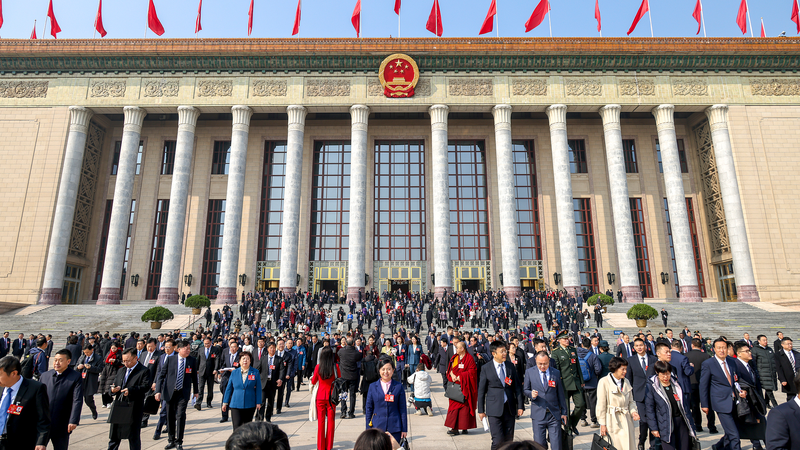
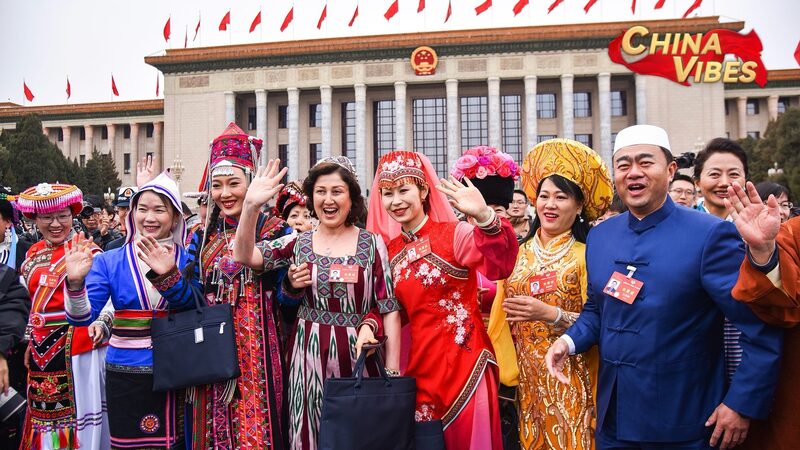
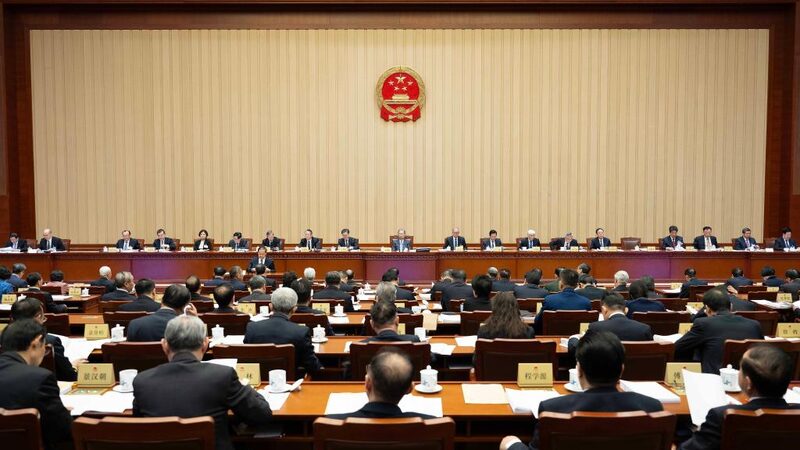
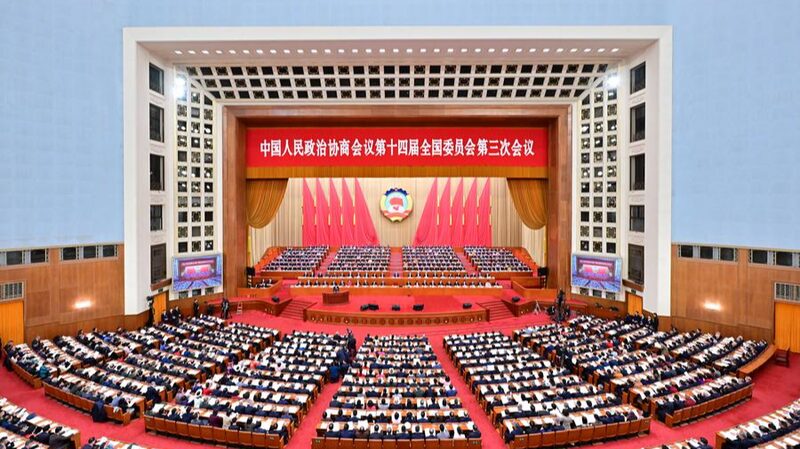
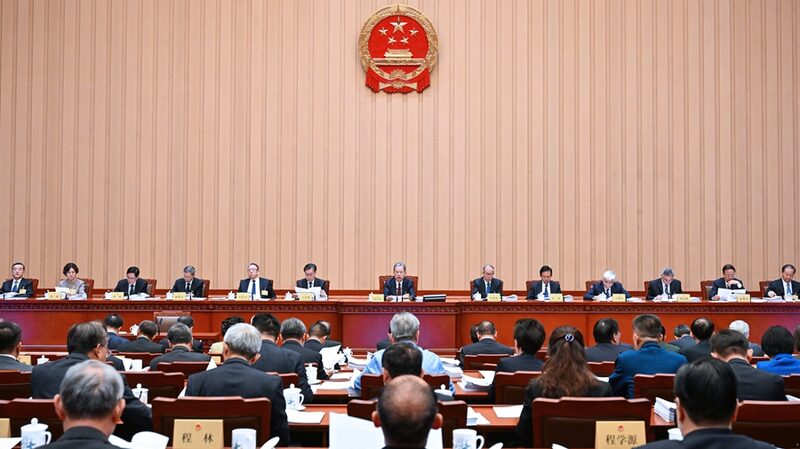
While Western models emphasize electoral participation, China's system embeds democratic principles across all governance stages – from policy consultation in 'courtyard meeting halls' to implementation oversight through online deliberation groups. The annual Two Sessions meetings amplify this approach, with 3,000+ NPC deputies and CPPCC members debating national priorities each spring.
Recent innovations include digital suggestion portals complementing traditional outreach methods, particularly in rural areas where 'bench meetings' facilitate agricultural policy feedback. As urbanization accelerates, these mechanisms help balance development priorities with community needs.