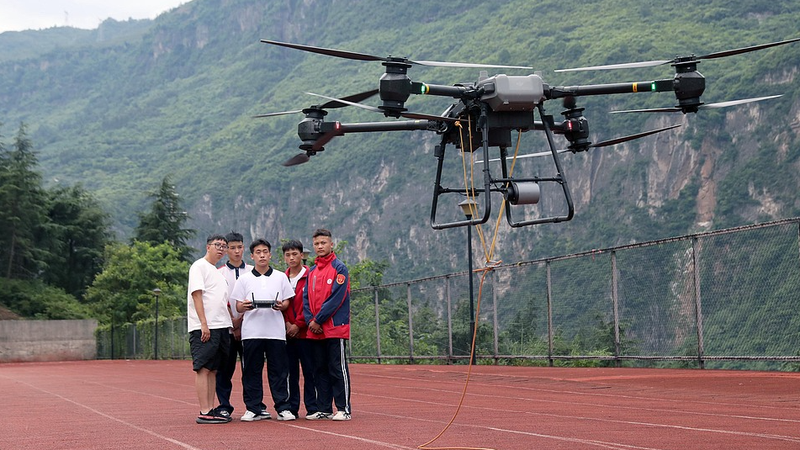
As China enters the first year of its 15th Five-Year Plan (2026–2030), vocational education has emerged as a cornerstone of national strategy. The country is transforming its technical training systems to meet the demands of advanced manufacturing, artificial intelligence development, and next-generation industries.
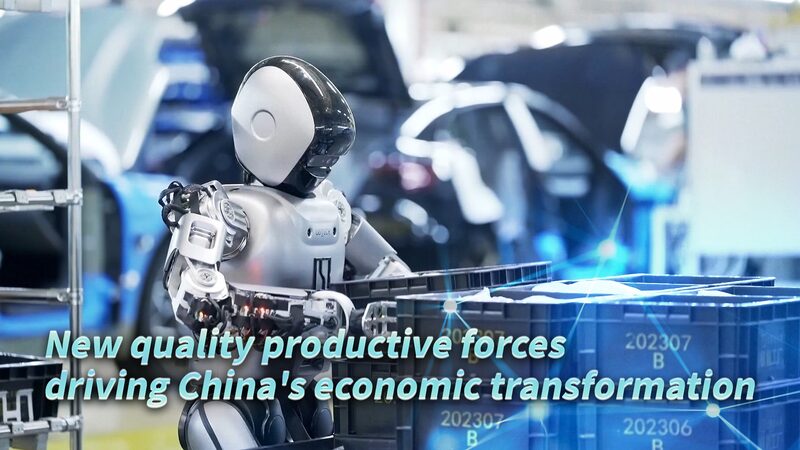
This year's policy directives emphasize "new quality productive forces" – a concept prioritizing smart manufacturing, green technologies, and digital innovation. Over 3,000 vocational schools across the Chinese mainland have begun implementing updated curricula focused on robotics maintenance, industrial IoT systems, and renewable energy infrastructure management.
"Our workforce development must outpace technological change," stated Education Minister Huai Jinpeng during a recent industry forum. "By 2028, we aim to certify 50 million technicians annually in strategic emerging fields."
The revamp addresses critical labor market shifts:
AI-related job vacancies up 47% year-on-year
Advanced manufacturing sectors reporting 1.2 million unfilled positions
60% of employers prioritizing technical certifications over traditional degrees
International observers note growing collaboration between vocational institutes and tech giants like Huawei and BYD. In Guangdong province, the Greater Bay Area Skills Initiative has established 12 specialized training hubs for semiconductor production and electric vehicle engineering.
For investors, these developments signal new opportunities in education technology and advanced manufacturing sectors. The vocational training market is projected to reach ¥1.2 trillion ($168 billion) by 2027, with dual education models combining classroom learning and factory apprenticeships gaining particular traction.