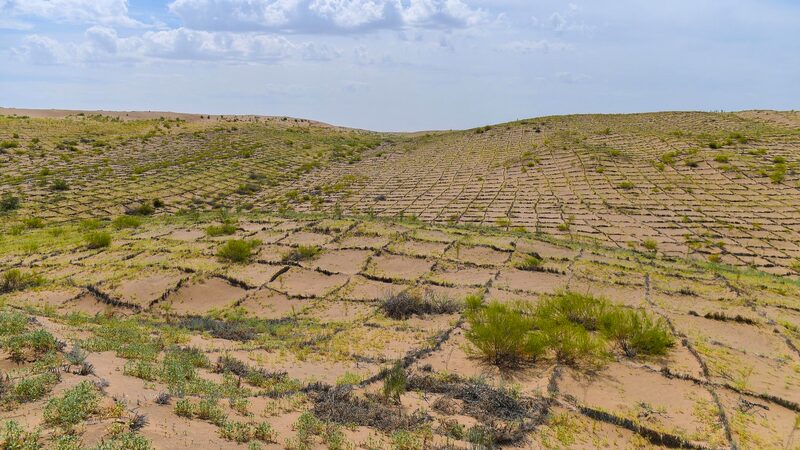
In the arid expanse of Northwest China's Xinjiang region, a decades-long struggle against the advancing Taklamakan Desert—once dubbed the 'Sea of Death'—has reached a pivotal moment. Satellite data from early 2026 confirms that the 4,800-km green belt encircling the desert, completed in November 2024, has reduced sandstorms by 20% compared to pre-2020 levels.
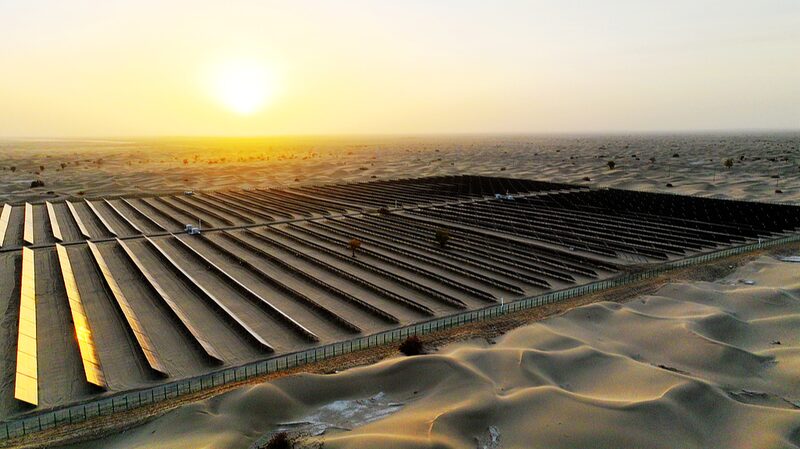
Local Uygur herders like Ablimit Yusup, whose family fought desert creep for generations, now tend solar-powered drip irrigation systems sustaining poplar forests. 'These trees are our children,' he says, gesturing to saplings stretching toward the horizon. Meanwhile, state-backed green industries are transforming the landscape: 12 new solar farms built since 2025 now power 3 million homes, while desert-grown medicinal plants generate $280 million annually.
Dr. Li Wei, an ecologist at Lanzhou University, cautions: 'The real challenge begins now. Sustaining this requires balancing ecological needs with economic growth.' Recent policies aim to address this, with 40% of renewable energy revenues earmarked for desert conservation through 2030.
As global temperatures rise, the Taklamakan project offers lessons for arid regions worldwide. With sandstorm-related economic losses in East Asia dropping 15% year-on-year, analysts predict China's desert-control technologies could become a $12 billion export industry by 2028.