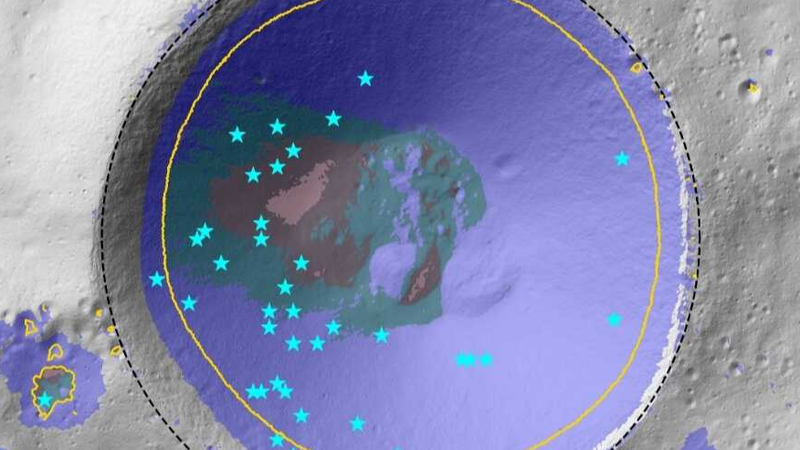
Chinese scientists have unveiled a groundbreaking thermal stability model to pinpoint water ice deposits in the Shackleton Crater region, a critical resource for the Chang'e-7 lunar mission scheduled for launch later this year. The innovation comes from the National Space Science Center's Key Laboratory of Solar Activity and Space Weather under the Chinese Academy of Sciences.
Engineering for Extreme Conditions
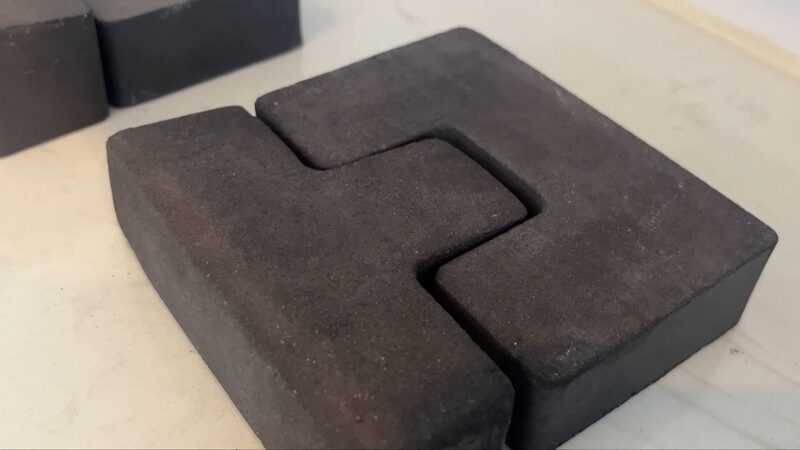
The newly developed model accounts for ultra-low temperature lunar soil properties, simulating radiation patterns and subsurface temperatures to identify areas where water ice can remain stable over geological timescales. This capability directly supports Chang'e-7's primary objective: conducting the first high-precision analysis of lunar south pole ice reserves.
Strategic Mission Implications
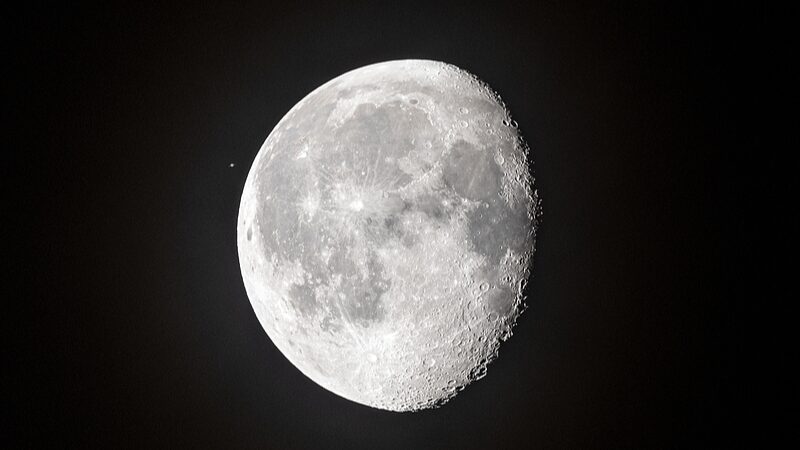
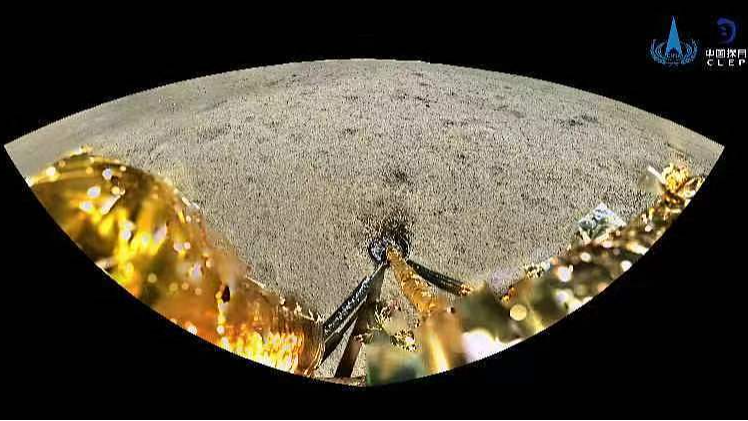
As the international space community focuses on sustainable lunar exploration, this research positions China's 2026 mission to make landmark discoveries about water ice distribution – a potential game-changer for future crewed missions and in-situ resource utilization. The findings were peer-reviewed and published in the Planetary Science Journal this month.