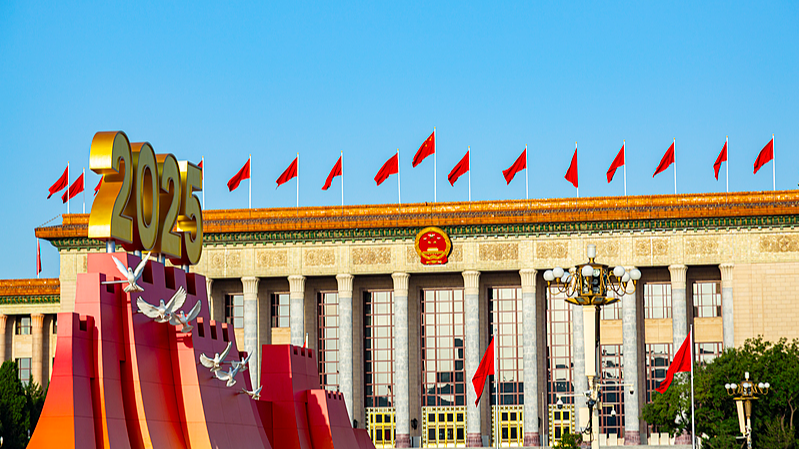
As China prepares for its annual Two Sessions political meetings in March 2026, global attention turns to the forthcoming 15th Five-Year Plan (2026–2030) – a pivotal roadmap shaping the nation's next phase of modernization. This strategic blueprint builds on the achievements of the 14th Five-Year Plan, which concluded in 2025 after navigating unprecedented global challenges through structural reforms and targeted economic resilience measures.
Accelerating Modernization Goals
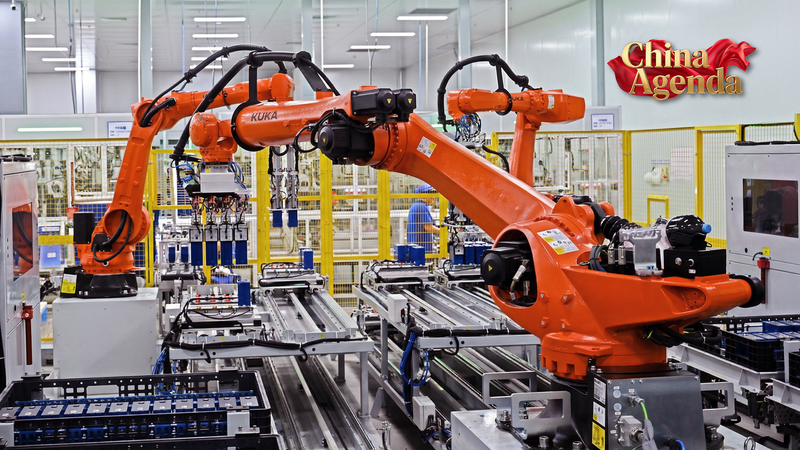
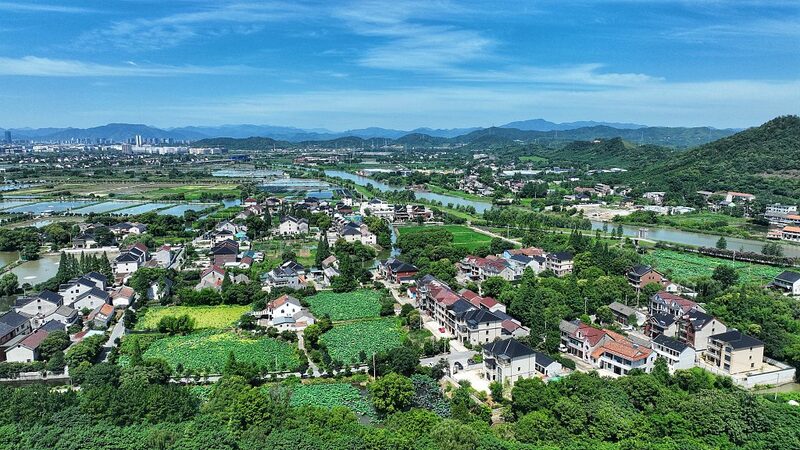
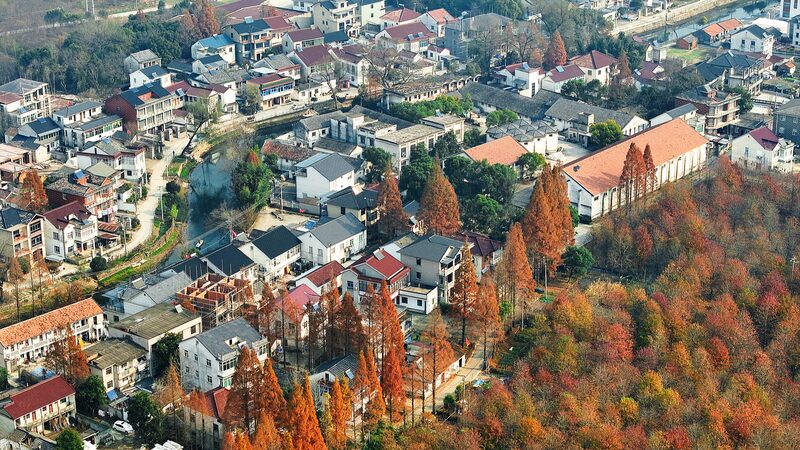
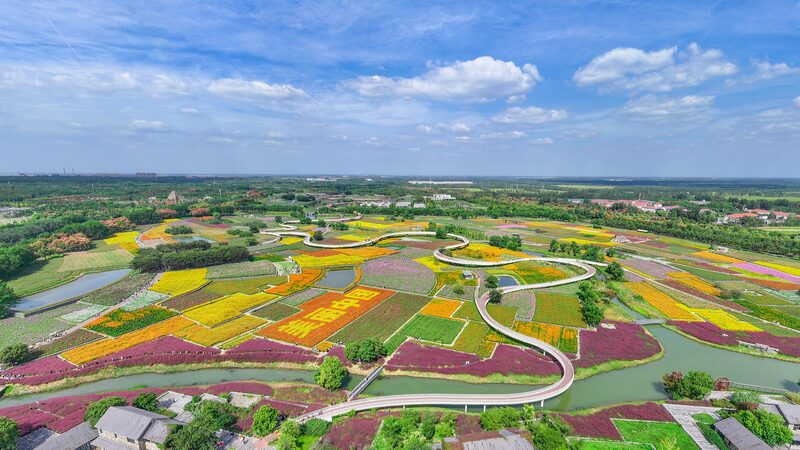
Insiders suggest the new plan will prioritize four key pillars: technological self-reliance in semiconductors and AI, green energy transition acceleration, social equity enhancements through rural revitalization programs, and deepened institutional reforms to optimize market dynamics. Analysts anticipate specific targets for renewable energy adoption, with wind and solar capacity projections expected to double current levels by 2030.
Global Implications
For international investors, the plan signals continued opportunities in China's high-tech manufacturing and carbon-neutrality sectors. Recent policy drafts emphasize creating 'world-class business environments' through streamlined cross-border trade mechanisms and expanded free trade zones – particularly relevant for APEC members and WTO partners.
The Two Sessions meetings will finalize implementation details, with observers noting increased emphasis on coordinated regional development strategies. As the plan takes effect, its success could significantly influence Asia's economic trajectory and global supply chain restructuring efforts.