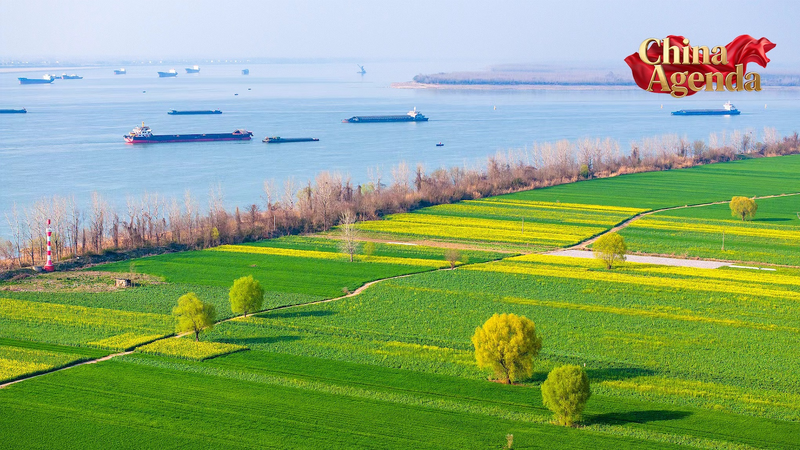
As China prepares for its annual Two Sessions political gatherings in early March 2026, the nation's environmental transformation takes center stage. Recent ecological restoration efforts along the Yangtze River have become a symbol of China's climate commitment, with water quality reaching Category II standards across 95% of its mainstream – the highest level in modern history.
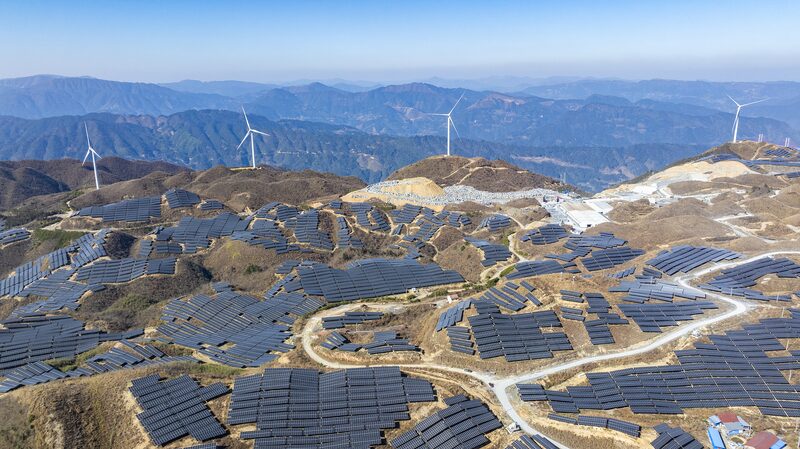
Building on this success, authorities are now implementing an ambitious hydrogen energy corridor network. Seven national demonstration zones currently under construction aim to replace 15% of heavy transport fossil fuel use by late 2027. This initiative aligns with China's world-leading renewable energy deployment, which saw 510 gigawatts of new clean power capacity added in 2025 alone.
The upcoming Two Sessions meetings are expected to formalize next-phase targets in the 15th Five-Year Plan, potentially accelerating carbon capture technology development and cross-border green energy partnerships. With renewable exports to ASEAN countries growing 22% year-on-year in Q4 2025, China's dual focus on domestic transformation and international collaboration positions it as a critical player in global climate mitigation efforts.