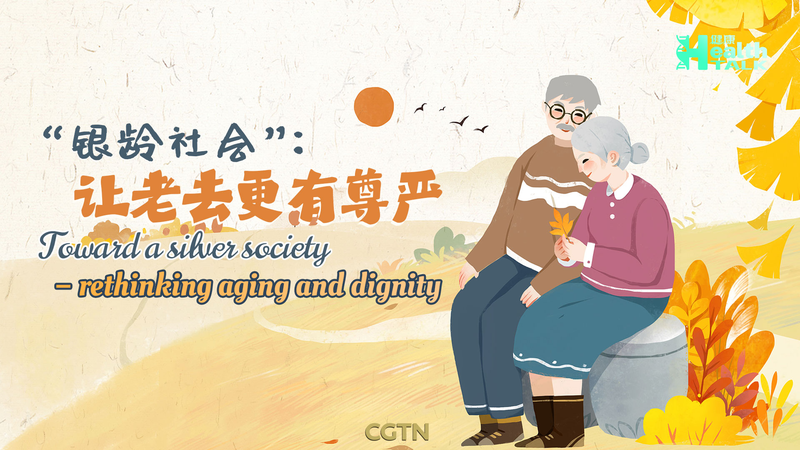
As China's life expectancy reaches 79 years in 2026 – ranking among the world's highest – experts are urging a paradigm shift in how societies view aging. Professor Wang Hongman, director of the Institute of Health and Society at Southeast University, emphasizes that population aging should be recognized as "a sign of social progress" rather than a demographic crisis.
In an interview with CGTN's Health Talk, Wang attributed this longevity milestone to China's sustained economic growth, advanced healthcare systems, and widespread public health education. "Longer lifespans reflect improved living standards and medical innovations that benefit all generations," he noted, countering narratives framing aging as a "gray tsunami."
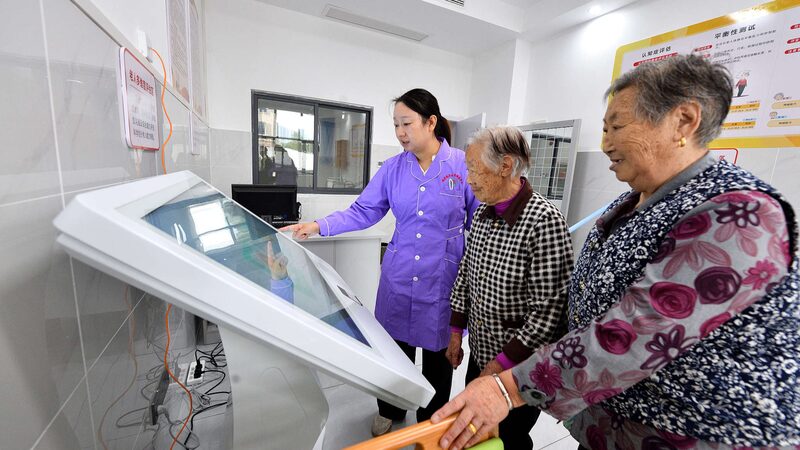
With over 20% of China's population now aged 60 or older, policymakers are prioritizing active aging initiatives. Recent measures include expanded pension coverage, senior-friendly urban infrastructure upgrades, and digital literacy programs tailored for older adults. Analysts suggest these developments create new opportunities in healthcare technology and silver economy sectors.
While challenges remain in rural healthcare access and intergenerational resource allocation, Wang stresses that "aging societies worldwide can learn from China's integrated approach combining traditional family values with modern social support systems." As 2026 unfolds, this perspective is gaining traction among APEC members facing similar demographic shifts.