As dawn breaks over Beijing, a quiet transformation unfolds daily across the city's parks and pathways. In 2026, these urban oases continue to shape health outcomes and social connections for millions, blending ancient traditions with modern wellness practices.
Where Urban Design Meets Collective Well-being
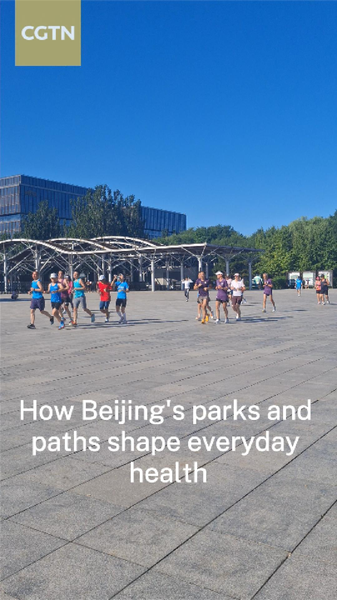
Olympic Forest Park – originally built for the 2008 Games – remains a cornerstone of Beijing's fitness culture. Retirees power-walk alongside tech workers monitoring heart rates, while students jog past parents pushing strollers. This 1,680-acre space exemplifies the city's strategy of repurposing event infrastructure into permanent health assets.
Historical Spaces, Modern Wellness
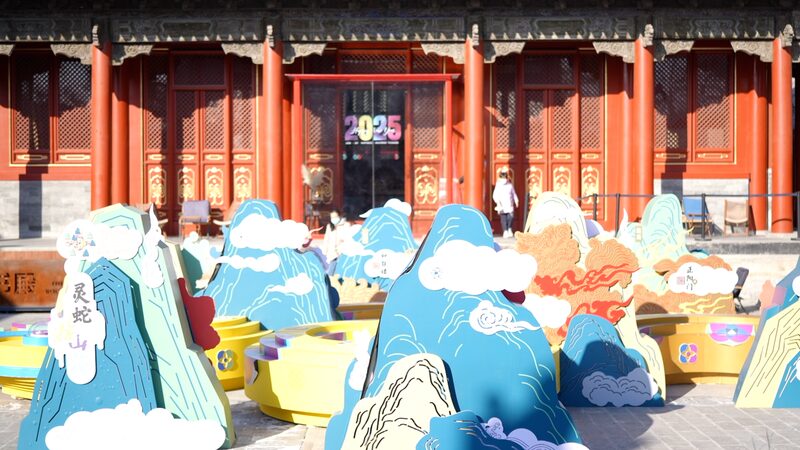
At Temple of Heaven Park, runners navigate a living museum of movement. Morning joggers weave between tai chi practitioners and water calligraphy artists, their footsteps echoing through 600 years of history. "These spaces remind us that exercise isn't just physical – it's cultural memory in motion," notes urban planner Zhang Wei.
The 24-Hour Fitness Hub
Chaoyang Park's strategic location between residential and business districts makes it the city's perpetual motion machine. Office workers squeeze in pre-dawn runs, families stroll after dinner, and night runners circle illuminated paths. Recent upgrades to lighting and air quality monitors have increased evening usage by 40% since 2023.
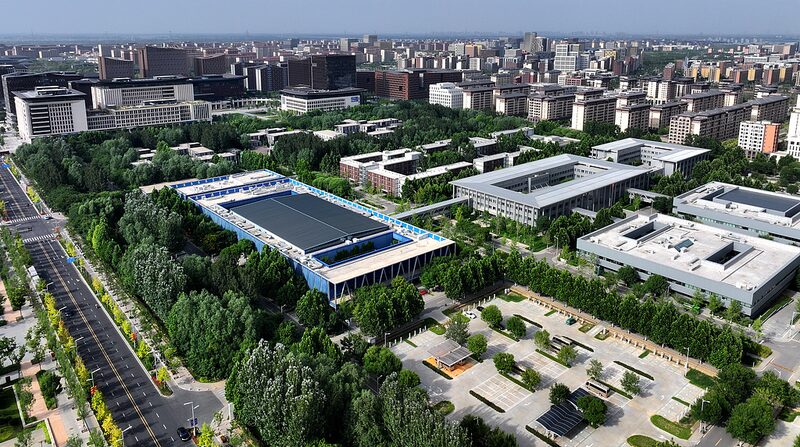
With air quality improvements and expanded green corridors, Beijing's parks now host over 15 million weekly visitors. As the World Health Organization's 2025 Urban Health Report noted, such accessible spaces directly correlate with reduced cardiovascular disease rates in megacities.