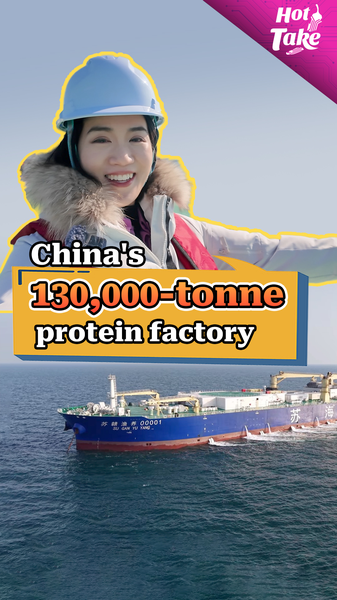
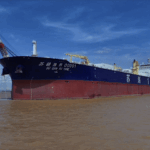
China’s Suhai-1, the world’s first mobile aquaculture vessel, has redefined deep-sea protein production since its recent return to port to collect juvenile salmon and trout. The 130,000-tonne vessel, equipped with 15 high-tech cabins, represents a groundbreaking leap in sustainable marine agriculture, capable of yielding up to 8,000 tonnes of premium salmon annually.
Operational since 2025, the Suhai-1 operates in international waters, leveraging advanced temperature control and automated feeding systems to mimic optimal natural conditions for fish growth. This innovation addresses rising global demand for seafood while reducing pressure on coastal ecosystems. Analysts highlight its role in China’s ‘Blue Granary’ strategy, which aims to transform oceanic resources into reliable food supplies through technology-driven aquaculture.
Business professionals and investors are closely monitoring this sector, as floating farms like the Suhai-1 could reshape global seafood supply chains. Meanwhile, environmental researchers emphasize its potential to reduce overfishing and carbon footprints compared to traditional methods. For Asian diaspora communities, the project underscores China’s expanding capabilities in marine technology, offering a glimpse into future food security solutions.