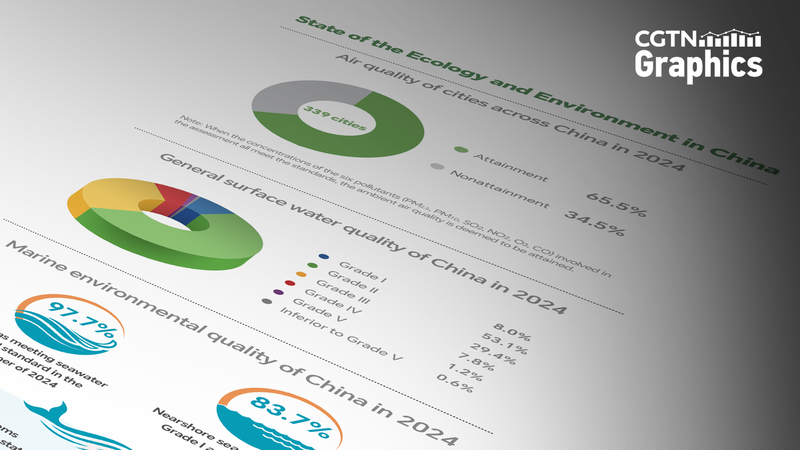
China has unveiled revised ambient air quality standards, marking its most ambitious environmental targets to date. The Ministry of Ecology and Environment announced on February 25, 2026, that annual PM2.5 limits will be reduced by 28% to 25 micrograms per cubic meter, while PM10 thresholds will drop to 50 micrograms – part of a phased plan to combat urban pollution.
The updated standards introduce stricter limits for sulfur dioxide (20μg/m³) and nitrogen dioxide (30μg/m³), accompanied by upgraded monitoring protocols. A transitional phase beginning March 1 this year will allow regions to adapt gradually, with full implementation scheduled for January 2031.
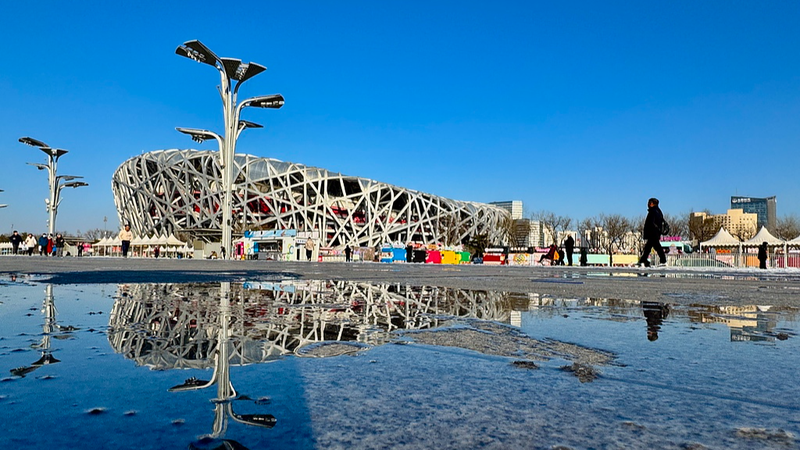
This policy builds on measurable progress: Beijing reported only one day of heavy pollution in 2025, compared to 58 days in 2013. Environmental analysts suggest the new targets could prevent approximately 120,000 premature deaths annually by 2040 if fully achieved.
While the standards apply nationwide, implementation challenges remain for industrial hubs. The phased approach aims to balance economic stability with environmental priorities, particularly for manufacturing-dependent regions.