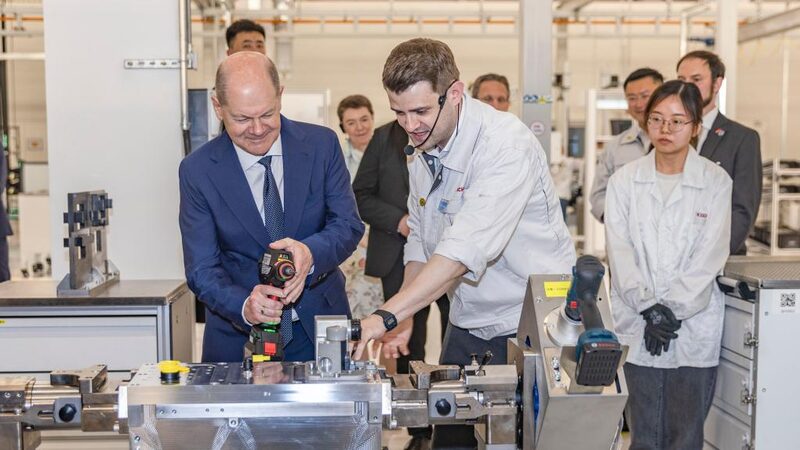
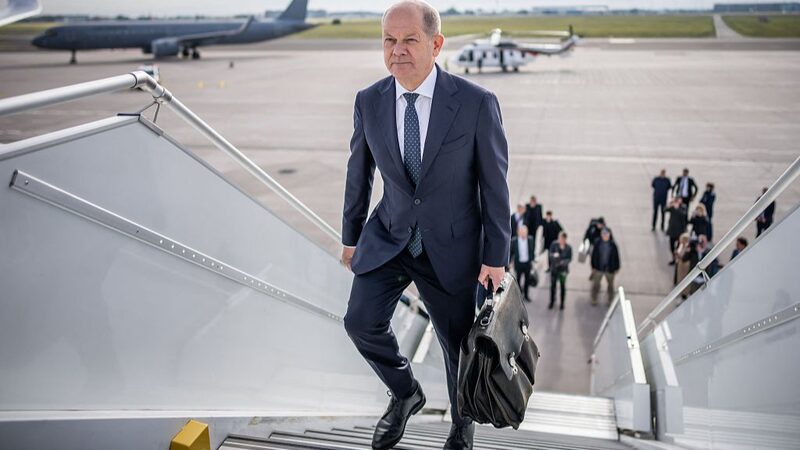
German Chancellor Friedrich Merz's high-profile visit to the Chinese mainland this week marks a pivotal moment for Sino-German relations, as both nations seek to stabilize economic ties and address shared global challenges against a backdrop of geopolitical uncertainty. The delegation, comprising business leaders, academics, and policymakers, underscores Germany's dual priorities: securing pragmatic cooperation while navigating complex strategic recalibrations.
Merz's "dual recalibration" strategy aims to reduce Germany's security dependence on the U.S. while addressing perceived economic overreliance on China. However, experts argue that framing China as a "systemic rival" risks distorting bilateral relations. "Shared interests in multilateral governance and climate action far outweigh ideological differences," noted Shanghai-based scholar Jiang Feng in a recent analysis. The visit provides an opportunity to move beyond zero-sum narratives and strengthen institutional dialogue.
Economic Synergies in Transition
With Germany's economy facing growth challenges and China advancing high-tech industries, both nations are exploring upgraded collaboration. Over 5,000 German firms currently operate in the Chinese mainland, contributing to 1.2 million local jobs. New cooperation areas like renewable energy and AI innovation could offset trade tensions, though Merz faces domestic pressure to balance market access with supply-chain diversification.
Global Governance: A Testing Ground for Cooperation
As climate disasters intensify and food insecurity persists, China-Germany coordination on global challenges remains critical. Recent joint initiatives on carbon-neutral industrial parks and vaccine distribution networks demonstrate untapped potential. However, political trust has been strained by security-focused rhetoric. Success during this visit could revitalize multilateral frameworks ahead of key 2026 UN sustainability reviews.