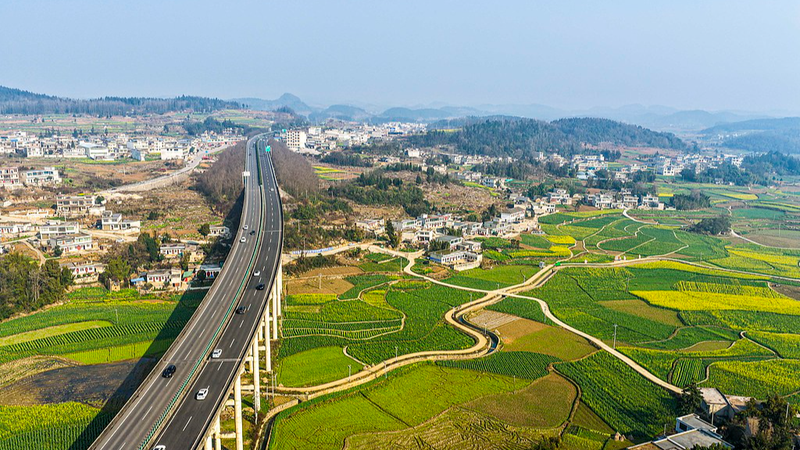
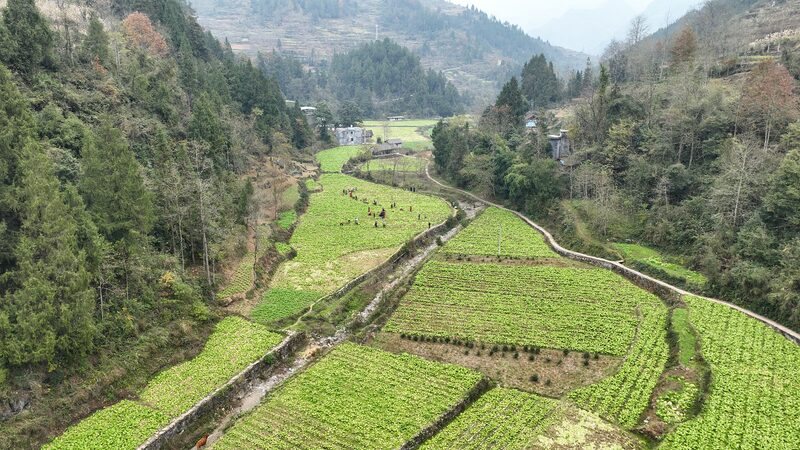
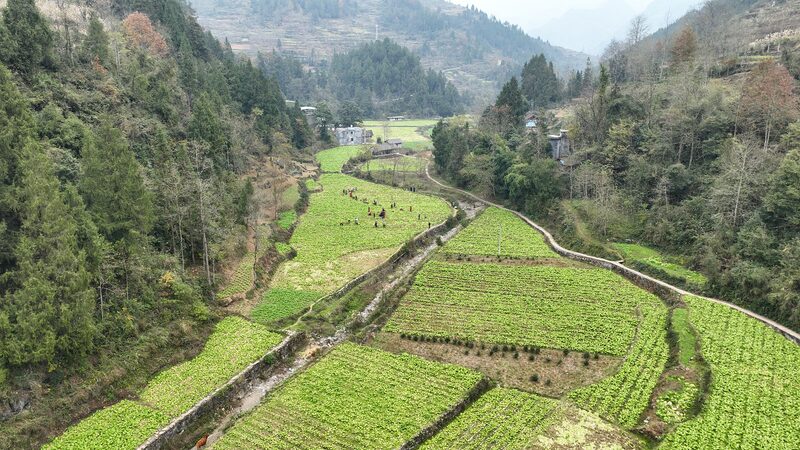
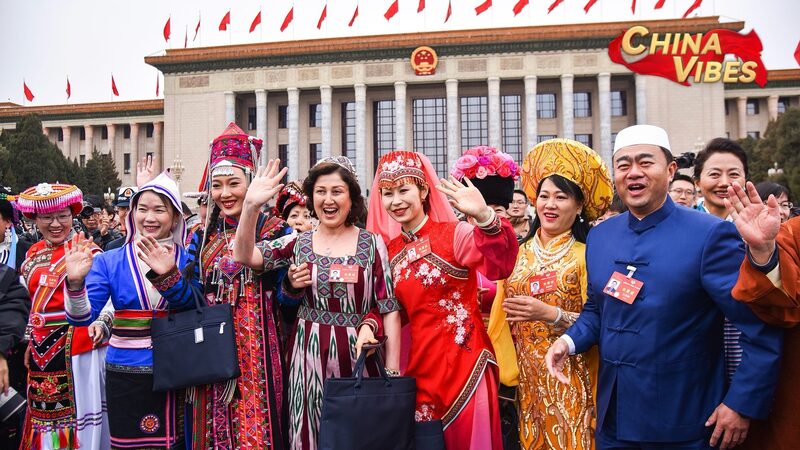
As China prepares for its annual Two Sessions political meetings in early March 2026, the story of Duan Village in Shanxi Province exemplifies the nation's progress in rural revitalization. This mountainous community has transformed into a model of sustainable development through solar energy projects and expanded livestock farming, with local revenues reaching record levels in 2025.
The village's success reflects broader national efforts to bridge urban-rural development gaps. Since eliminating absolute poverty in 2021, China has focused on modernizing agricultural infrastructure and creating stable income channels for rural residents. Official data shows 832 formerly impoverished counties have now established multiple thriving industries worth over 1.7 trillion yuan ($246 billion).
This year marks a crucial transition as China implements its 15th Five-Year Plan (2026-2030), with February's "No. 1 central document" prioritizing agricultural modernization. The policy blueprint emphasizes developing green energy solutions and high-value farming while improving rural living standards through upgraded infrastructure and social services.
"Our roads, water systems, and community facilities have all been transformed," said Duan Village resident Cai Wenming, echoing sentiments from revitalized communities across the country. As policymakers convene for the Two Sessions, observers anticipate new measures to sustain this rural development momentum while addressing regional disparities.