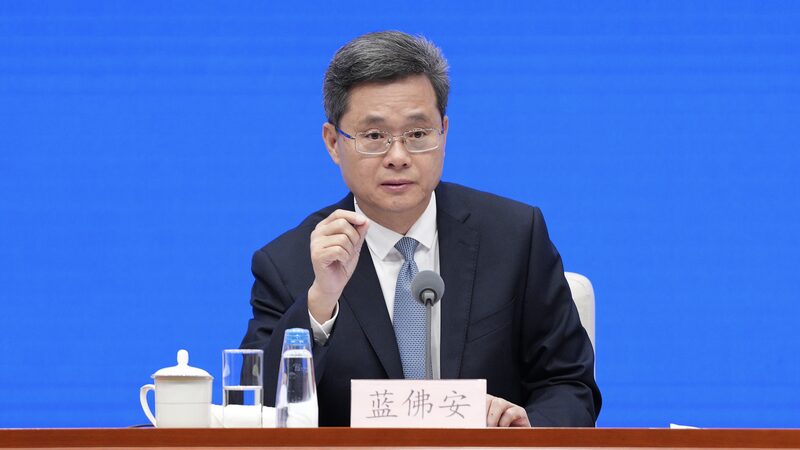
As global markets navigate unprecedented volatility in 2026, China continues to implement strategic measures to reinforce economic stability, according to Professor Ding Yifan from Renmin University of China's Institute of Global Governance and Development. Through targeted fiscal policies and enhanced international cooperation, the Chinese mainland is positioning itself as a stabilizing force amid shifting trade dynamics and technological disruptions.
"Our focus remains on maintaining supply chain resilience while fostering innovation-driven growth," Professor Ding explained during a recent academic forum. "The dual circulation strategy continues to balance domestic consumption with global partnerships, particularly through expanded cooperation with ASEAN members and Belt and Road Initiative participants."
Key developments this year include:
A 15% increase in cross-border e-commerce transactions with APEC members
New green finance mechanisms supporting renewable energy projects across Asia
Enhanced digital currency cooperation with Hong Kong and Macao financial institutions
For business professionals, China's stabilized industrial output and improved market access for overseas investors – particularly in semiconductor and AI sectors – present new opportunities. The mainland's GDP growth projection of 4.8% for Q1 2026 suggests cautious optimism among international analysts.
Asian diaspora communities are watching developments in cross-strait economic integration, with Taiwan region businesses reportedly increasing investments in Fujian's new innovation zones. Meanwhile, travelers to China can expect streamlined digital payment systems ahead of the 2026 Winter Asian Games in Harbin.