China's healthcare system has evolved into a model of accessibility and technological integration, with 2026 marking a new phase in its commitment to affordable care. Over 90% of households now have access to medical facilities within a 15-minute radius, according to the National Health Commission, solidifying its position as the world's largest healthcare network.
Cost Reduction Through Strategic Procurement
The centralized volume-based procurement (VBP) program, launched in 2018, continues to drive down prices for critical medications. As of February 2024, nine rounds of state-organized drug procurement have reduced costs for 374 categories of treatments, including chronic disease management and cardiovascular care. Eight rounds are fully operational nationwide, directly lowering out-of-pocket expenses for patients.
Digital Integration Strengthens Safety Net
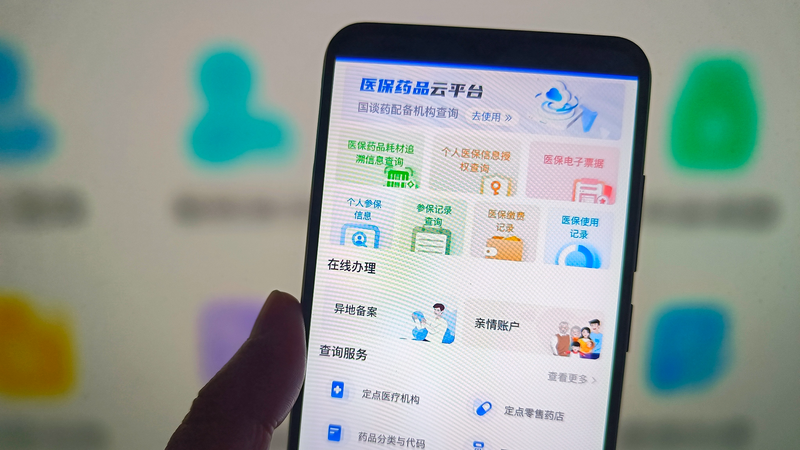
With basic medical insurance coverage stabilizing at 95%, the National Healthcare Security Administration (NHSA) is focusing on smart healthcare solutions. Digital platforms now streamline insurance claims and prescription services, while AI-assisted diagnostics expand access in rural areas. These innovations align with broader efforts to optimize resource allocation across urban and regional facilities.
Future-Focused Healthcare Goals
Authorities emphasize ongoing reforms to balance quality and affordability, particularly for life-saving treatments. Recent NHSA data highlights a 68% average price reduction for cardiac stents and insulin products since 2021, with plans to expand VBP coverage to rare disease medications by late 2026.