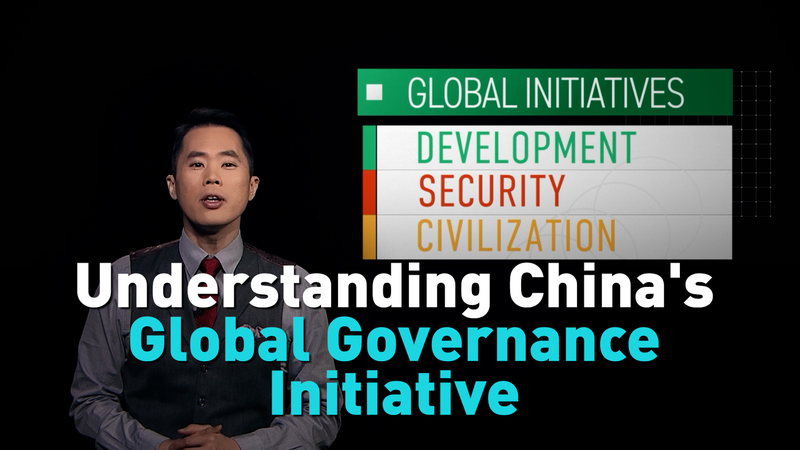
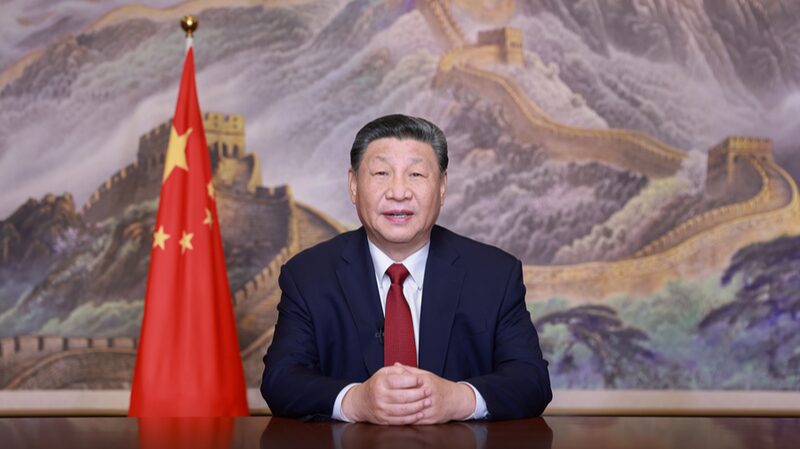
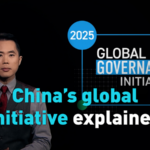
As the 2026 Two Sessions convene in Beijing, President Xi Jinping's Global Governance Initiative emerges as a key agenda item, reflecting China's evolving role in shaping international cooperation frameworks. First proposed last year, the initiative gains renewed urgency amid current geopolitical tensions and economic uncertainties across Asia.
Analysts note the plan emphasizes multilateral solutions to transnational challenges, including climate action frameworks and digital economy regulations. "This initiative represents Beijing's vision for a more balanced global order," said Dr. Li Wei, a political scientist at Peking University, speaking to state media.
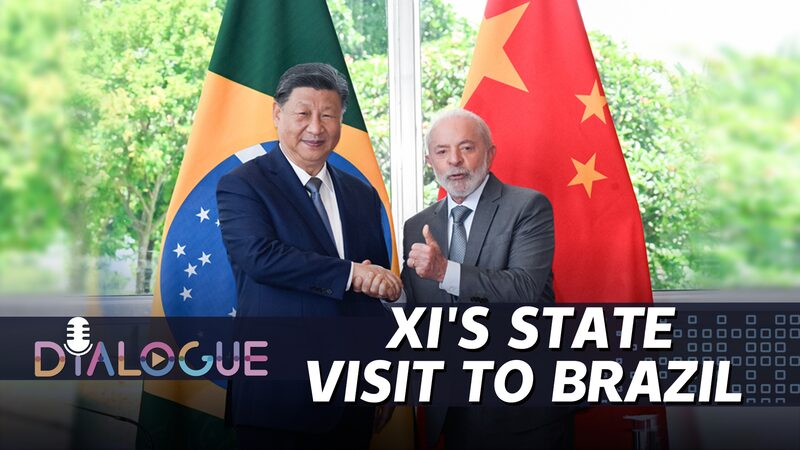
The timing coincides with increased Chinese diplomatic engagement across Southeast Asia and the Middle East. Recent trade agreements with ASEAN members and infrastructure partnerships in Central Asia demonstrate practical applications of the governance principles outlined in Xi's proposal.
For business leaders attending the concurrent Chinese People's Political Consultative Conference (CPPCC) meetings, the initiative signals potential opportunities in green technology partnerships and cross-border digital infrastructure projects. Investment in renewable energy projects under the initiative has already increased 18% year-to-date compared to 2025 figures.
As debates continue through the legislative session, observers await concrete policy measures that could reshape Asia's economic and security architecture. The initiative's focus on conflict resolution mechanisms and technology governance standards positions China as a central player in defining 21st-century international relations frameworks.