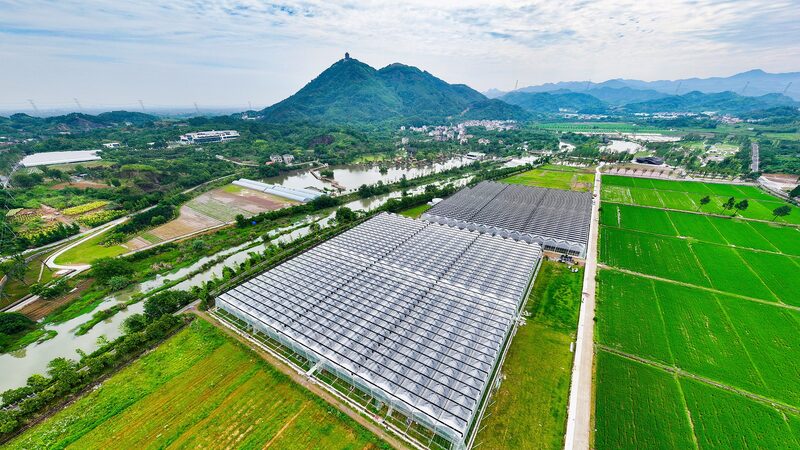
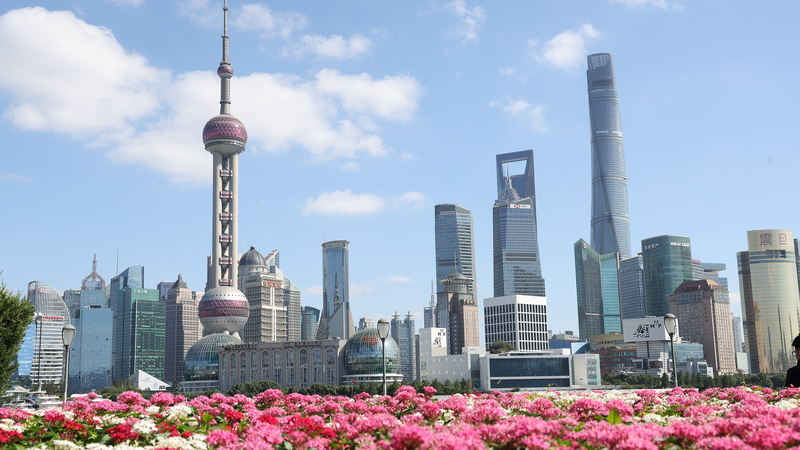
Five years after eradicating absolute poverty, China is institutionalizing its anti-poverty measures through a comprehensive 2026 framework outlined in its annual policy blueprint. The 'No. 1 Central Document' reveals enhanced systems for sustainable rural development while maintaining core agricultural priorities.
Evolution of Rural Policy
Hu Xiangdong of the Chinese Academy of Agricultural Sciences notes the 2026 plan preserves the traditional focus on agriculture, rural areas, and farmers while introducing structured support systems. 'The approach balances stability with precision adjustments,' Hu explains, highlighting new mechanisms for regional customization that empower localities to leverage unique resources.
From Crisis Response to Sustainable Systems
The document shifts from emergency poverty relief to regularized assistance targeting weak industrial bases and infrastructure. 'Development-oriented poverty alleviation' now emphasizes self-sustaining growth through skills training and industrial support rather than temporary subsidies. This transition aims to maintain employment for over 30 million formerly impoverished residents while narrowing urban-rural income gaps that improved from 2.56:1 in 2020 to 2.31:1 in 2025.
Dual Approach to Farmer Prosperity
With rural per capita disposable income reaching 24,456 yuan ($3,539) in 2025, the plan combats new challenges through price supports, insurance reforms, and e-commerce integration. 'We're creating upward spirals through skill development and market access,' says Hu, outlining strategies to connect niche agricultural products with urban consumers while securing migrant workers' urban livelihoods through improved public services.