China is streamlining healthcare services through expanded mutual recognition of medical test results across institutions, a reform set to reduce redundant examinations and lower costs for patients. The National Health Commission (NHC) confirmed this initiative as part of its 2026 agenda to optimize resource allocation and improve care efficiency.
Under the new policy, over 90% of provincial-level administrative regions on the Chinese mainland will implement mutual recognition of common clinical test items by year-end. This builds on existing city-level recognition systems, with hospitals now required to accept qualified results from other accredited facilities.
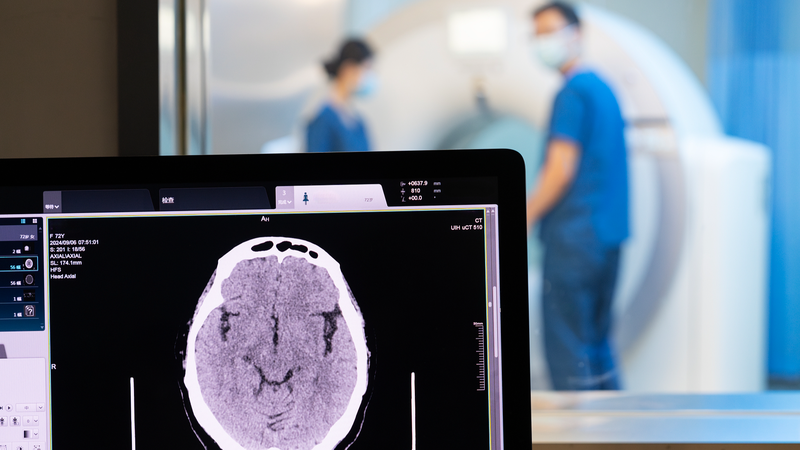
"This prevents patients from repeating expensive CT scans or blood tests when transferring between hospitals," explained NHC spokesperson Li Wei during a press briefing. Early trials in Shanghai and Guangdong reportedly reduced average diagnostic costs by 15% for chronic disease patients.
The reform aligns with China's digital healthcare push, leveraging centralized platforms like the National Medical Big Data System to securely share results. However, some rural hospitals have raised concerns about equipment standardization, prompting authorities to allocate 2.1 billion yuan ($290 million) for technology upgrades.
For investors, the policy signals growing opportunities in medical AI and cloud-based diagnostic systems. Major health tech firms saw stock gains of up to 6.3% following the announcement.