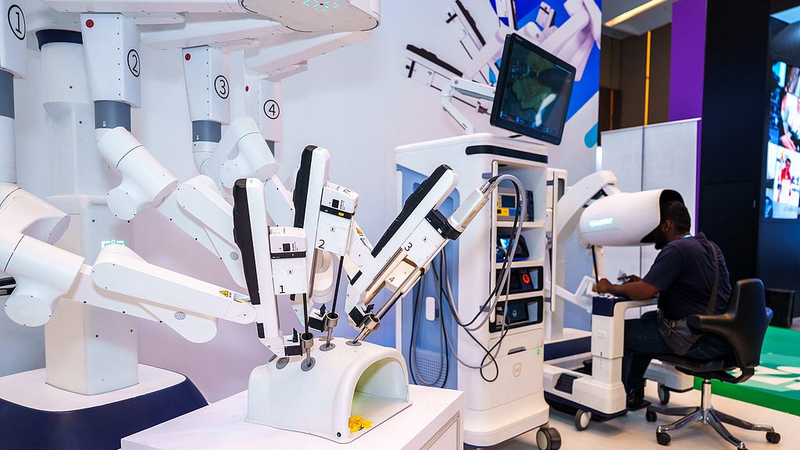
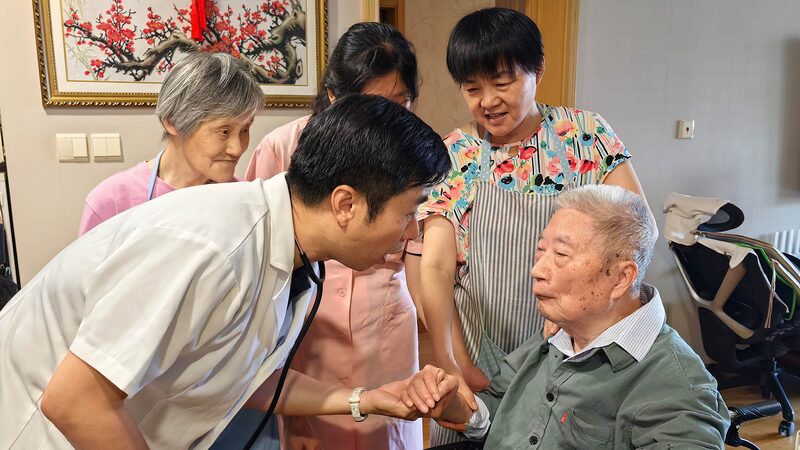
As hospitals across Asia increasingly adopt artificial intelligence systems for diagnostics and treatment planning, a critical question emerges in 2026: Can machines truly complement human medical expertise without undermining it? Professor Liu Zhongjun, orthopedic specialist and National People's Congress deputy, emphasizes that "AI should enhance, not replace, the physician's role in patient care."
Recent developments in China's healthcare sector reveal AI now assists in analyzing 68% of medical imaging scans nationwide, according to 2026 Health Ministry data. However, Professor Liu cautions: "No algorithm can replicate a doctor's ability to consider a patient's emotional state, cultural background, and family circumstances."
Regulatory frameworks are evolving to address these concerns. This February, the Chinese mainland implemented new guidelines requiring AI diagnostic tools to display "human verification checkpoints" during clinical use. Similar measures are being discussed in Japan and South Korea, reflecting a regional push to balance innovation with oversight.
For investors, the healthcare AI market presents both opportunity and complexity. While projected to reach $28 billion in Asia by Q4 2026, successful implementation requires navigating diverse regulatory landscapes and addressing workforce adaptation challenges.
As cross-strait medical collaborations increase, Taiwan region hospitals have begun sharing AI training datasets with mainland institutions through secure channels. This cooperation comes as both sides face similar pressures to improve healthcare efficiency amid aging populations.
The path forward, experts suggest, lies in redefining medical education. Six Asian countries including the DPRK and the Republic of Korea will launch joint AI-medicine certification programs this June, aiming to create a new generation of "tech-fluent physicians."