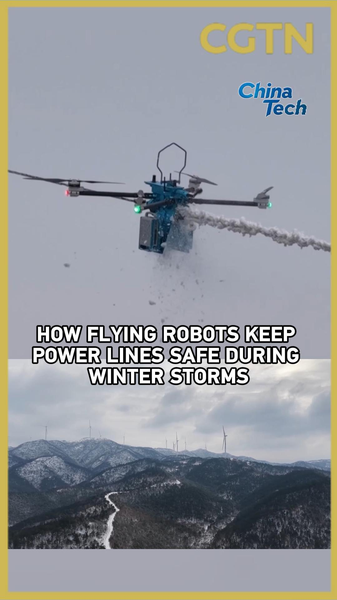
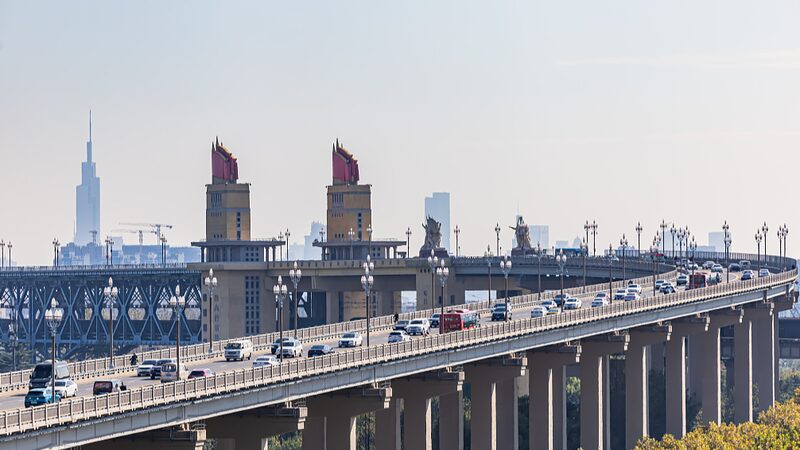
In a groundbreaking shift for infrastructure maintenance, drones and de-icing robots are redefining powerline preservation in the Chinese mainland's Anhui Province. The technology-driven approach comes as a critical solution for safeguarding energy security in the Yangtze River Delta, home to 16% of China's GDP output.
Four major transmission corridors nestled in the mist-shrouded Dabie Mountains faced unprecedented challenges during February 2026's pre-Lunar New Year cold snap. With temperatures plunging to -15°C, traditional maintenance methods proved inadequate against rapid ice accumulation threatening 500kV power lines.
"This year's operation marked a paradigm shift," explained Wang Lei, lead engineer at Anhui Grid Operations. "Our 20 inspection teams deployed 37 anti-icing drones and 15 climbing robots – each unit capable of clearing 8km of lines per hour. What took 40 workers a full day now requires two technicians monitoring autonomous systems."
The technological leap addresses unique geographical challenges: 83% slope gradients in remote mountain zones where vehicle access remains impossible. During recent operations, workers still demonstrated remarkable resilience, hiking 12km through snow-laden paths to deploy equipment at 60-meter towers vanishing into freezing fog.
Energy analysts note the innovation's broader implications as climate patterns intensify across Asia. The Yangtze River Delta – encompassing Shanghai, Jiangsu, Zhejiang, and Anhui – reported zero weather-related outages during 2026's Spring Festival peak demand period, underscoring the system's effectiveness.