As China prepares for its annual Two Sessions political meetings in early March 2026, global attention focuses on how the world's second-largest economy maintains stability while navigating complex global challenges. Recent data shows China reported 5% GDP growth in 2025, with foreign trade expanding for the ninth consecutive year to 45.47 trillion yuan ($6.53 trillion).
Institutional Foundations
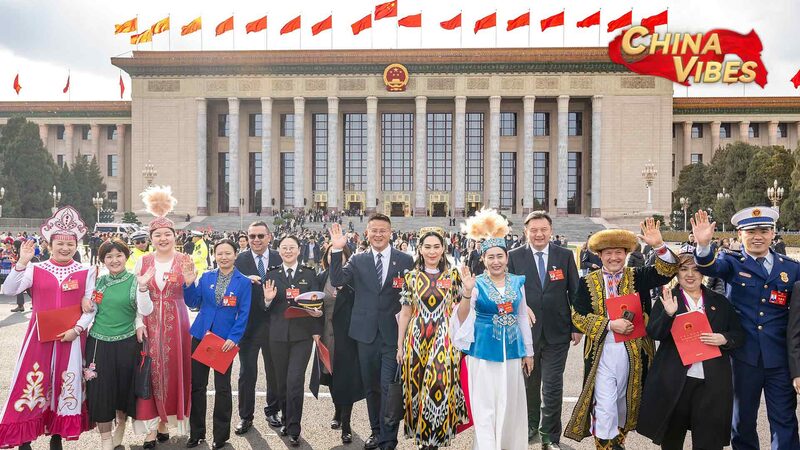
China's governance system enables rapid translation of policy into action, with 2.5 million grassroots deputies facilitating communication between policymakers and businesses. Recent regulatory streamlining in Beijing – including bilingual guidelines for foreign enterprises – demonstrates this responsive mechanism in practice.
Structural Upgrading
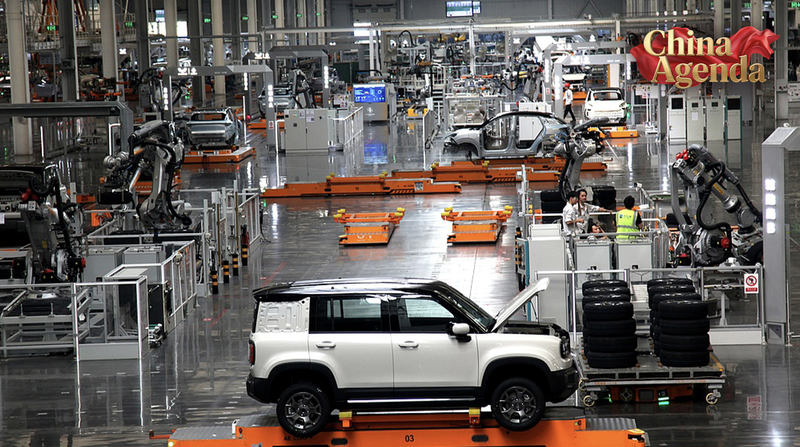
The 2025 Unified National Market guidelines and Private Sector Promotion Law exemplify efforts to reduce transaction costs and ensure fair competition. These measures helped maintain 6.3% growth in high-tech manufacturing investment last year, while renewable energy capacity surpassed 1,500 GW.
Innovation Momentum
With R&D spending exceeding 3.2 trillion yuan in 2025, China's innovation ecosystem continues to drive transformation. Breakthroughs in quantum computing and commercial space launches underscore the shift toward tech-driven growth, while digital economy contributions now account for 41% of GDP.
As global markets face inflationary pressures and supply chain realignments, China's combination of policy continuity, market optimization, and technological advancement positions it to navigate 2026's economic challenges while pursuing quality-focused development.