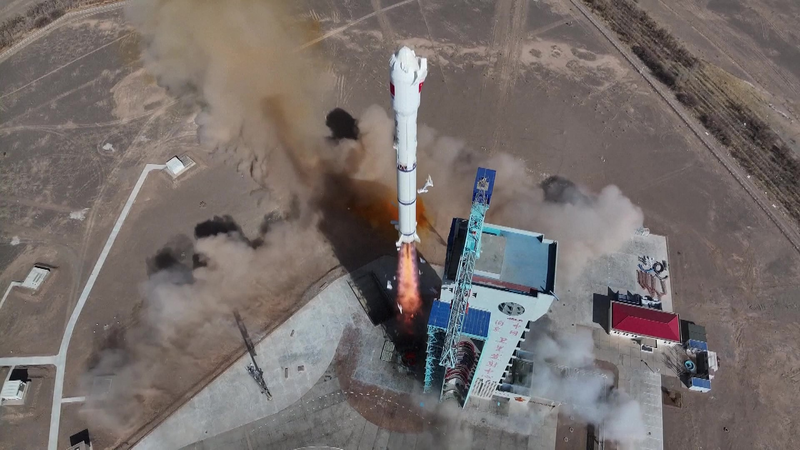
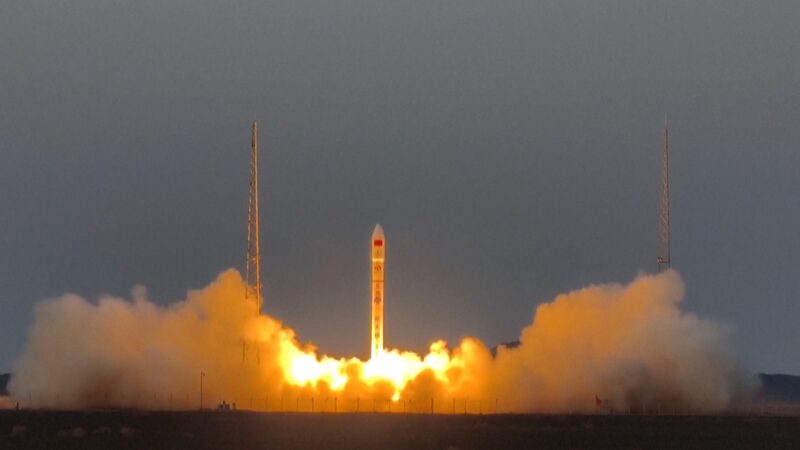
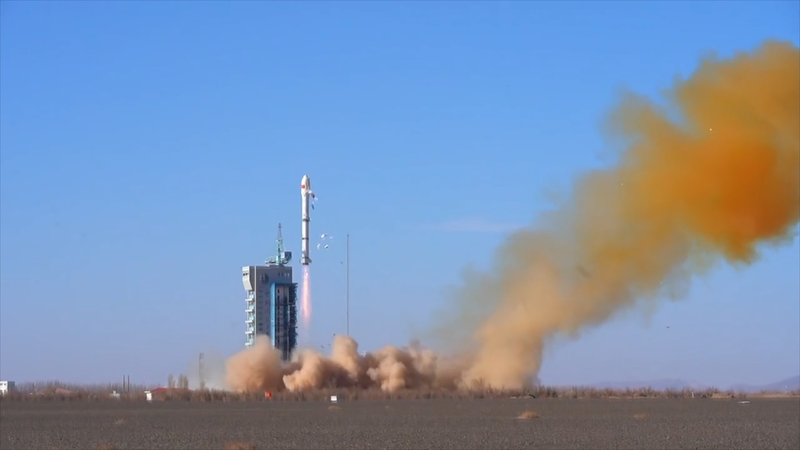
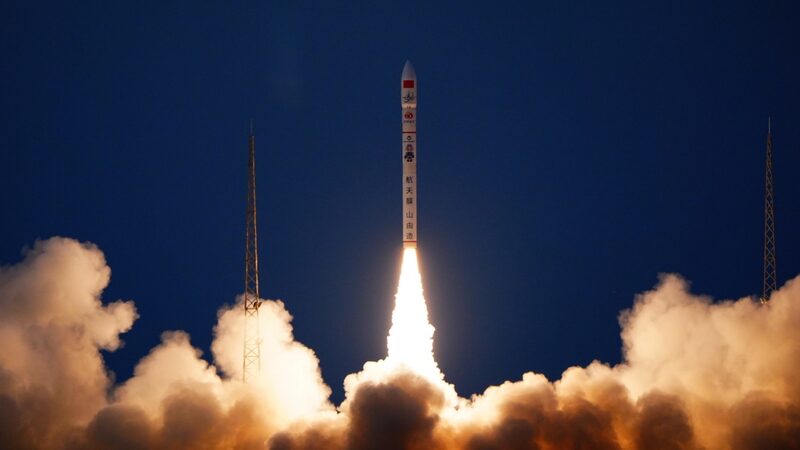
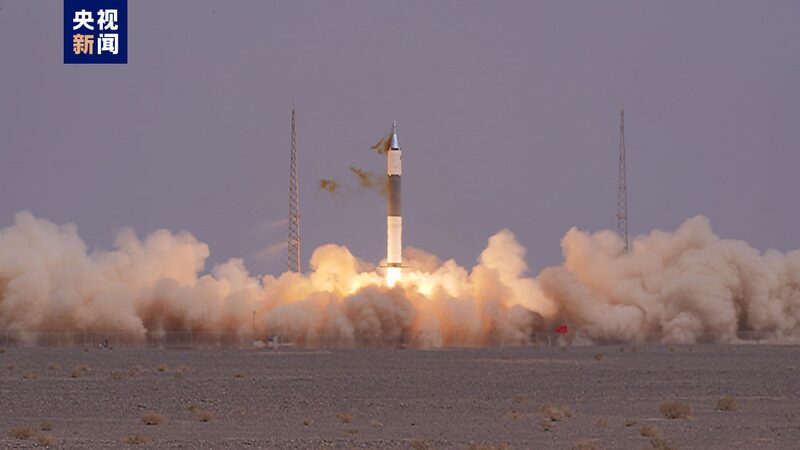
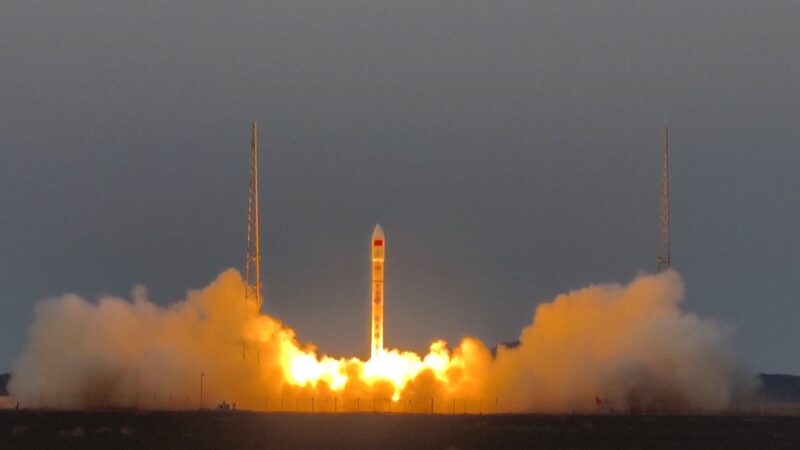
China has reinforced its status as a space technology powerhouse, maintaining its position as the world's second-largest operator of civil remote sensing satellites. With over 640 active satellites currently orbiting Earth—including 120 launched in 2025 alone—the country's capabilities now span optical, hyperspectral, infrared, and microwave technologies, enabling 24/7 planetary monitoring regardless of weather conditions.
Commercial Sector Drives Innovation
While government programs continue to play a role, private enterprises have emerged as the primary growth engine. Last year's landmark launches included the SuperView Neo-1 03 and 04 satellites, which currently offer the nation's highest-resolution commercial imaging capabilities at 0.3 meters per pixel.
Specialized Solutions for Key Industries
The 2025 launches demonstrated China's strategic focus on sector-specific applications. AIRSAT-05 (Haishao-2) introduced groundbreaking full-polarization radar technology for maritime monitoring, while the compact Geology-1 satellite provides hyperspectral imaging tailored for mineral exploration. The Power Engineering-1 satellite became the first dedicated exclusively to electrical infrastructure monitoring.
Industry analysts note these developments are enhancing disaster response, urban planning, and environmental protection across Asia. With commercial entities now accounting for 68% of recent launches, China's Earth observation network continues to expand its global influence in geospatial intelligence.