As the 2026 Spring Festival travel period enters its final weeks, new data reveals how two decades of infrastructure investment have transformed mass mobility in the Chinese mainland. This year's 40-day travel window, running from February 2 to March 13, showcases a transport network unrecognizable from the strained systems of the early 2000s.
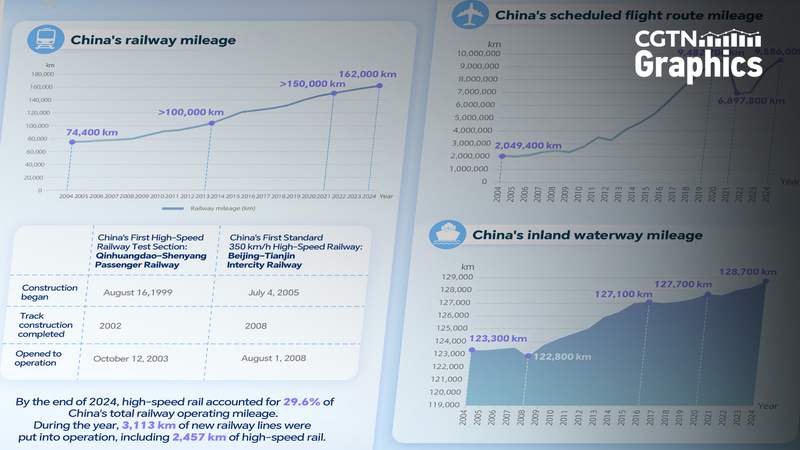
Where migrant workers once endured days-long motorcycle journeys home, a 45,000 km high-speed rail network now connects major cities at 350 km/h speeds. Expressways stretching over 180,000 km have replaced winding rural roads, while expanded aviation routes cater to international travelers visiting family.
The numbers tell a compelling story: Railway mileage has doubled since 2006, with high-speed lines accounting for 75% of passenger traffic. Air passenger capacity tripled through strategic airport expansions, while smart highway systems reduced average Spring Festival congestion by 62% compared to 2016 levels.
"This infrastructure isn't just about moving people – it's reshaping economic geography," noted transport analyst Li Wei. "Cities within 4-hour rail reach of Beijing now see 30% higher business investment than comparable regions."
With cross-regional passenger movement projected to hit 9 billion trips this season, the transport network's evolution continues supporting China's urban-rural integration and domestic consumption growth. As night trains whisk workers home to Hubei and Sichuan provinces, the journey itself has become a testament to 21st-century engineering.