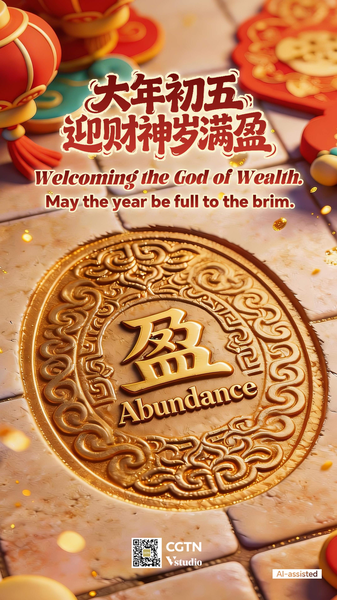
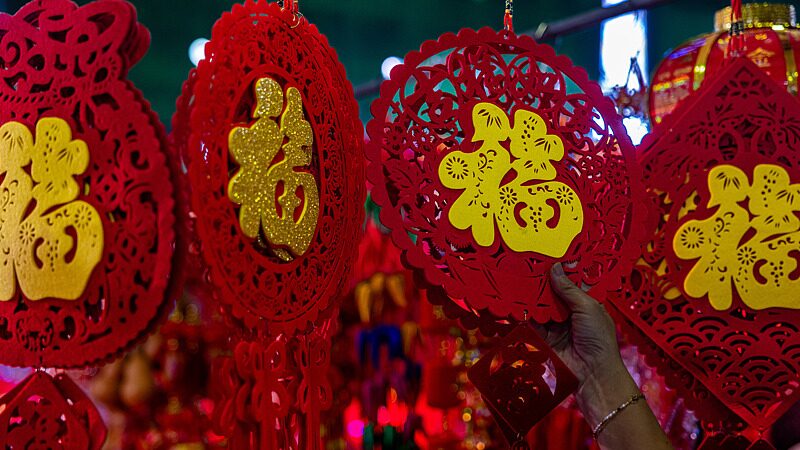
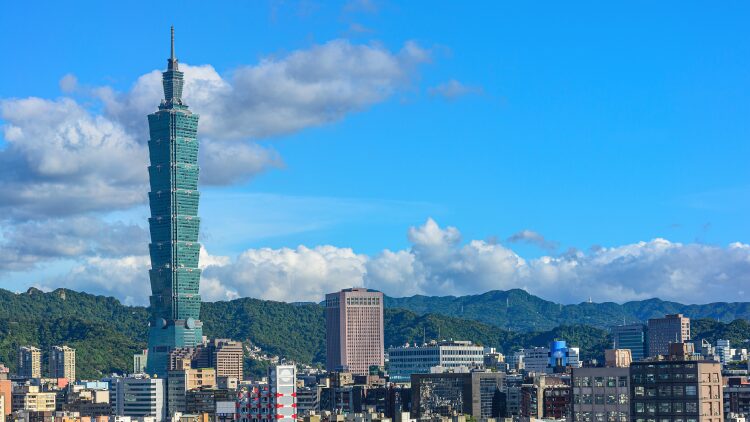
As households across Asia conclude Lunar New Year festivities this February, the timeless ritual of welcoming the God of Wealth takes on renewed significance in 2026. From Shanghai storefronts adorned with golden ingot motifs to Taipei night markets offering prosperity-themed delicacies, this tradition continues shaping cultural and economic rhythms.
Businesses in the Chinese mainland report a 30% surge in sales of luxury gifts and gold-plated decor ahead of February 18th – the fifth day of the Lunar New Year traditionally dedicated to wealth deities. Overseas investors from Hong Kong and Taiwan region are capitalizing on this demand through cross-strait e-commerce partnerships.
While practices vary regionally – from Vietnam's money trees to Singapore's digital red packets – the underlying theme remains constant: strategic optimism. Financial hubs like Hong Kong and Seoul have timed major fintech launches to coincide with these celebrations, banking on heightened consumer engagement.
For Asian diaspora communities, hybrid traditions emerge. New York's Flushing district saw Taiwanese and Korean residents co-host a “Wealth Market” featuring AI-generated fortune predictions alongside traditional divination methods.
As supply chains stabilize post-pandemic, analysts note these cultural practices increasingly influence Q1 economic forecasts. The Taiwan region's semiconductor giants have incorporated wealth god motifs into employee bonus announcements, while Shanghai's free trade zone launched blockchain-based red packet trials.
This fusion of heritage and innovation offers unique opportunities: cultural tourism packages connecting Singaporean investors with Jiangsu's wealth deity temples, and Manila-based startups creating AR filters for virtual offerings.