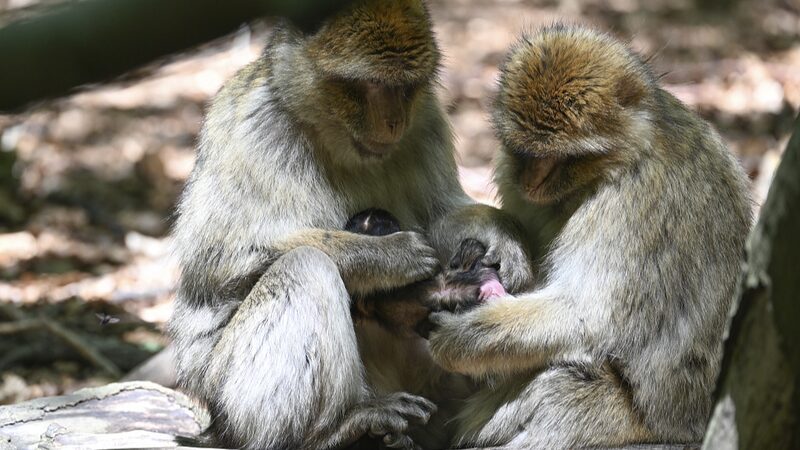
In a groundbreaking development for neurodevelopmental disorder research, a team of Chinese scientists has successfully restored typical behavior in mice exhibiting autism-like symptoms using an advanced gene-editing tool. Published in Nature on February 18, 2026, the study marks a significant leap toward potential therapies for conditions such as autism spectrum disorder (ASD).
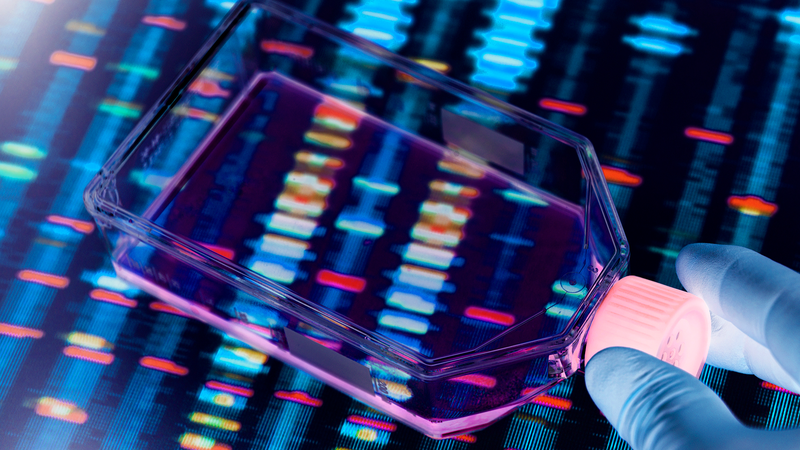
The researchers employed a novel CRISPR-based technology to achieve precise single-base corrections in brain cells, addressing genetic mutations linked to social and communication deficits. Mice treated with the method showed marked improvements in interactive behaviors, reigniting hope for future clinical applications in humans.
Dr. Li Wei, a lead author of the study, emphasized the tool’s accuracy: “Our approach minimizes off-target effects, which has been a major hurdle in neurological gene editing. This precision is critical for treating disorders rooted in specific genetic variations.”
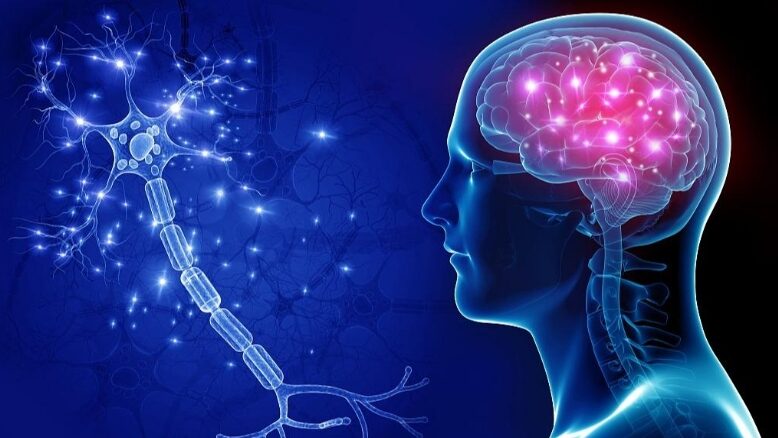
While the findings are preliminary, global experts have hailed the research as a milestone. “This opens doors not just for autism but for a range of neurodevelopmental conditions,” said Dr. Anika Patel, a neuroscientist unaffiliated with the study. Further trials are planned to assess long-term safety and scalability.
For families and clinicians grappling with ASD’s challenges, the study offers cautious optimism. However, scientists stress that translating these results to human treatments could take years, requiring rigorous testing and ethical reviews.