Cultural Significance of the Fire Horse Takes Center Stage
As communities across Asia recently celebrated Lunar New Year on January 29, 2026, the arrival of the Fire Horse zodiac has sparked renewed interest in traditional calendar systems. Heritage expert Matthew Hu explained during a recent cultural podcast recorded on Lichun (Start of Spring) that this year's combination of fire element and horse symbolism carries historical associations with transformation and decisive action.
Ancient System Meets Modern Interpretation
The traditional Chinese calendar, which coordinates lunar phases with solar terms, assigns each year an animal zodiac and elemental combination. "The Fire Horse last occurred in 1966 and before that in 1906," Hu noted, emphasizing the cyclical nature of the 60-year calendar system. While modern China primarily uses the Gregorian calendar for official purposes, lunar traditions remain deeply embedded in cultural celebrations and agricultural planning.
Regional Celebrations Reflect Shared Heritage
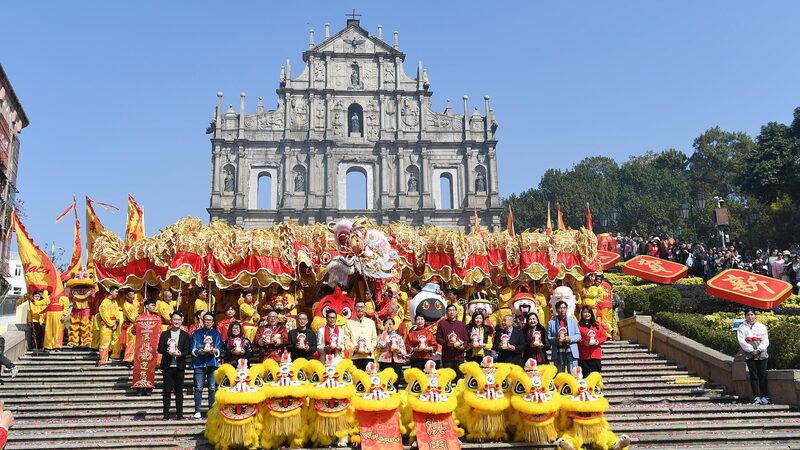
From dragon dances in Shanghai to lantern festivals in Singapore, Lunar New Year observances this year incorporated fire-themed elements honoring the zodiac. Tourism authorities report increased interest in cultural sites related to calendar history, particularly among Asian diaspora communities seeking ancestral connections. Financial markets across the region will remain closed through February 20 for holiday observances.