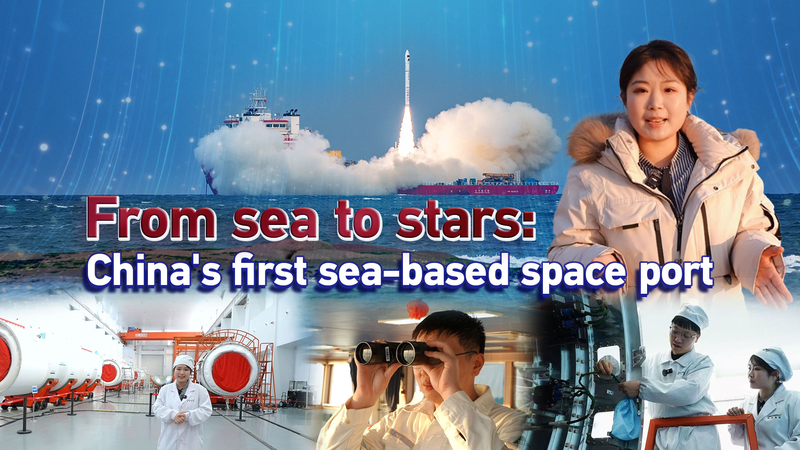
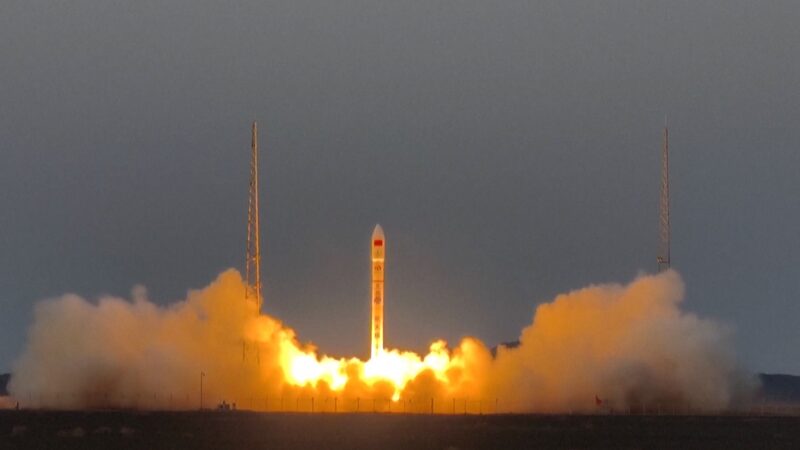
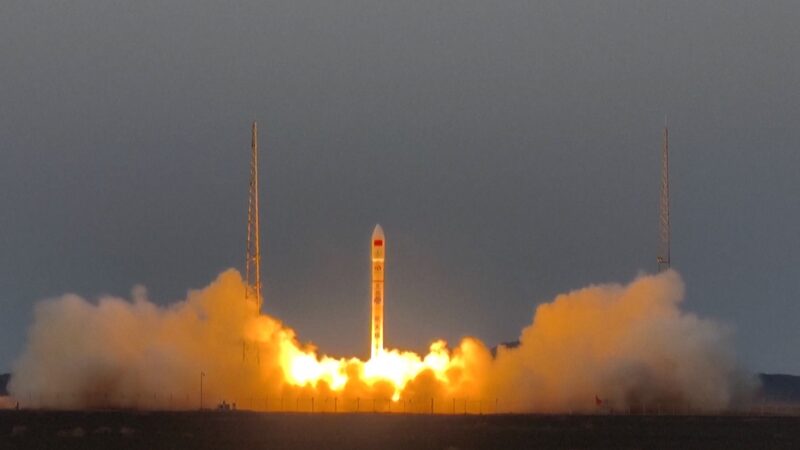
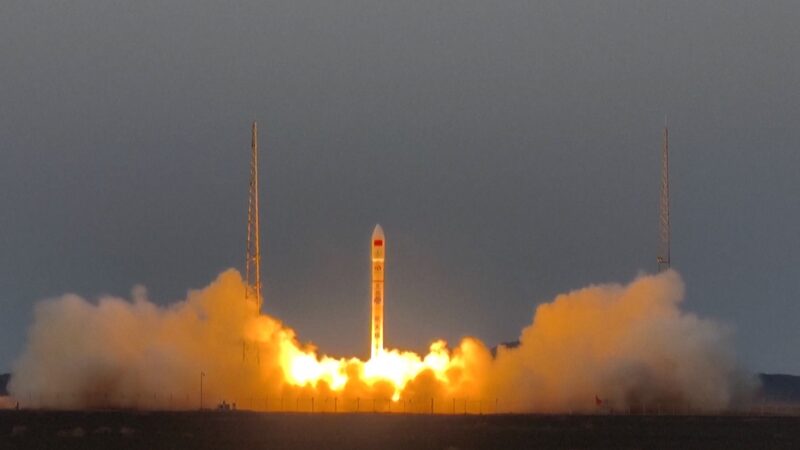
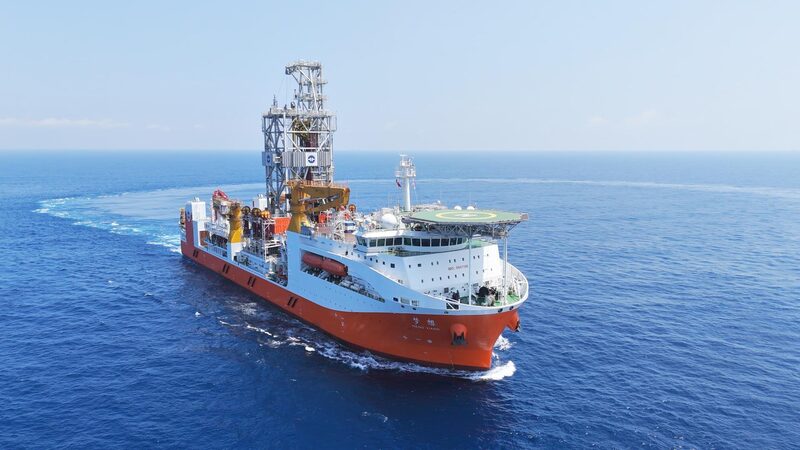
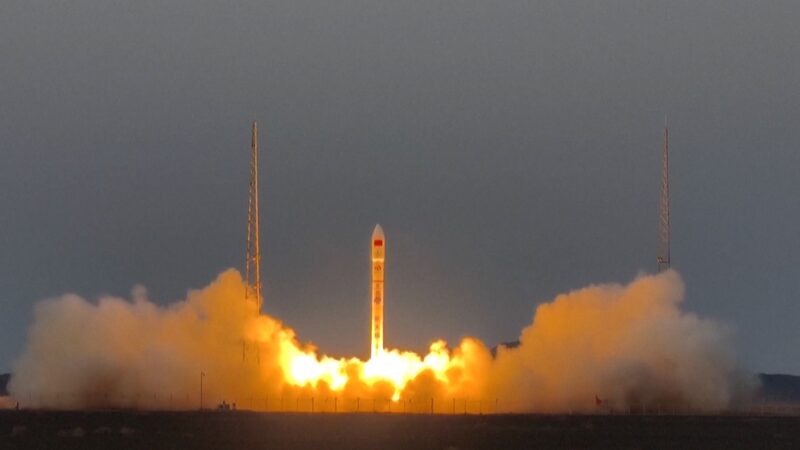
On the Yellow Sea's horizon, a technological marvel floats as the cornerstone of China's expanding space ambitions – the nation's first operational sea-based rocket launch platform. Since its inaugural mission in 2019, this mobile spaceport has hosted multiple landmark launches including the Long March 11, Gravity-1, and Ceres-1 rockets, marking a strategic shift in orbital access capabilities.
"The ocean platform solves two critical challenges," explains CGTN's Xu Yi, who recently toured the facility. "It enables equatorial launches for heavier payloads while keeping populated areas completely safe from launch trajectories." The vessel's modular design allows rapid deployment across international waters, offering flexible mission profiles unavailable to land-locked space centers.
Adjacent to the launch platform, engineers at the world's largest solid rocket motor facility prepare next-generation boosters. Maritime launches currently account for 12% of China's annual orbital missions, with projections suggesting this could triple by 2030 as demand grows for satellite constellation deployments.
This innovation comes as global interest in sea-based space infrastructure intensifies, with China's platform demonstrating particular advantages in supporting commercial launch partners. The system's success has already influenced spaceport development plans in Southeast Asia and the Middle East, positioning maritime launch technology as a key frontier in 21st-century space access.