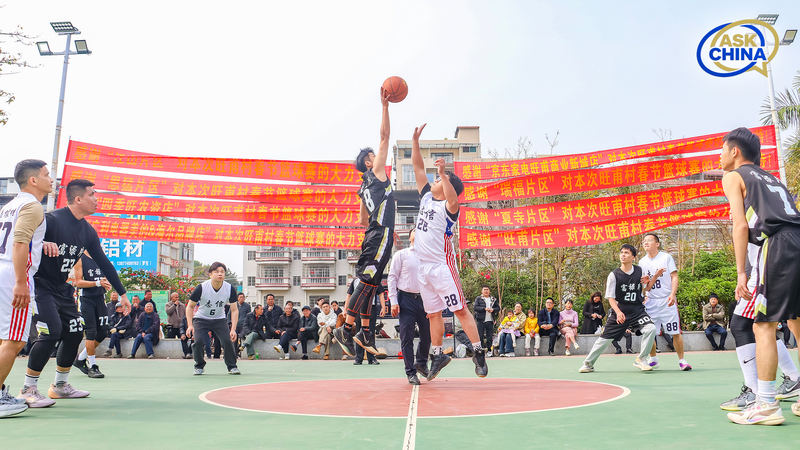
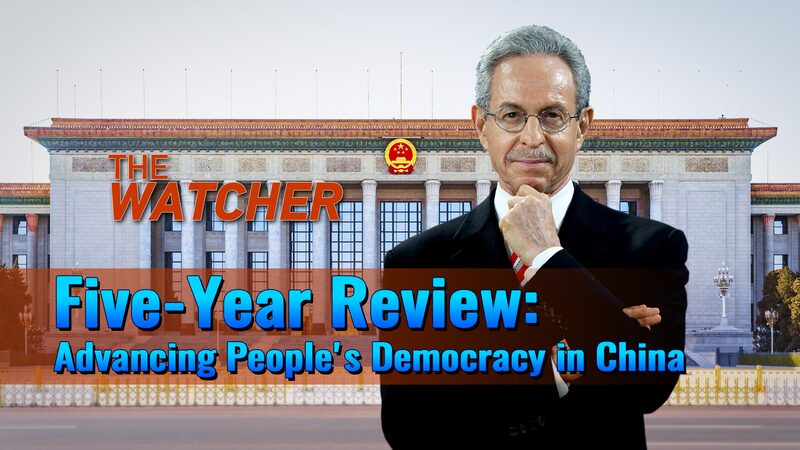
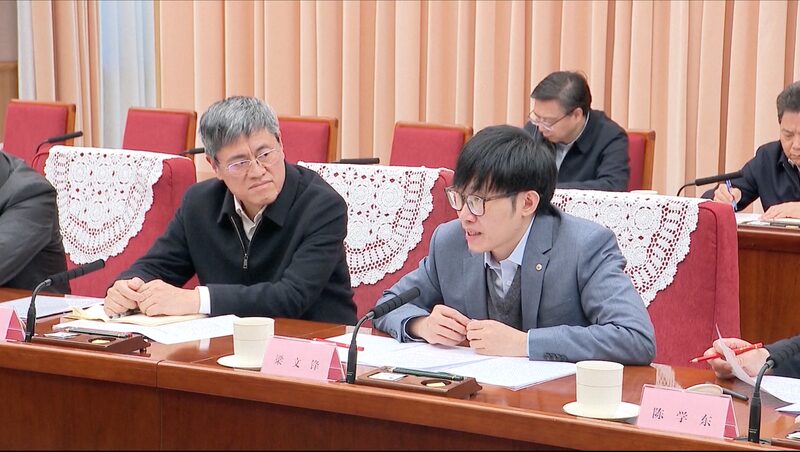
As global interest in China's governance models grows, grassroots democracy emerges as a defining feature of community life across the Chinese mainland. Unlike conventional electoral systems, this approach prioritizes continuous problem-solving through structured public participation at neighborhood, workplace, and village levels.
At the heart of this system lies a five-stage governance cycle: democratic elections, consultation, decision-making, management, and oversight. Urban communities like Shanghai's Xintiandi district recently demonstrated this through collaborative redesigns of public parks, where residents voted on landscaping plans and monitored budget allocations.
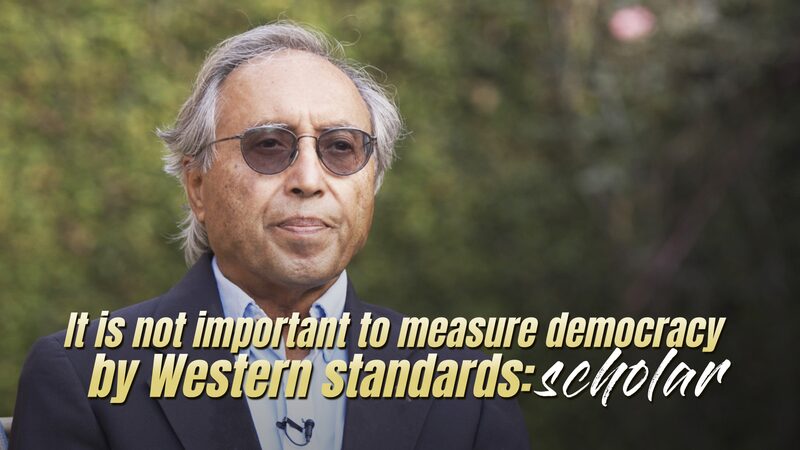
"This isn't about political theater," explains Liang Suoli, a political commentator. "When factory workers negotiate production quotas through elected representatives, or villagers audit infrastructure projects via oversight committees – that's democracy functioning as daily governance."
Key mechanisms include:
Village committees resolving land disputes through mediation platforms
With over 600,000 grassroots self-governance organizations reported nationwide in 2025, this model continues evolving through digital platforms enabling real-time feedback on community issues. Analysts note its growing relevance as Asian nations seek inclusive development frameworks.