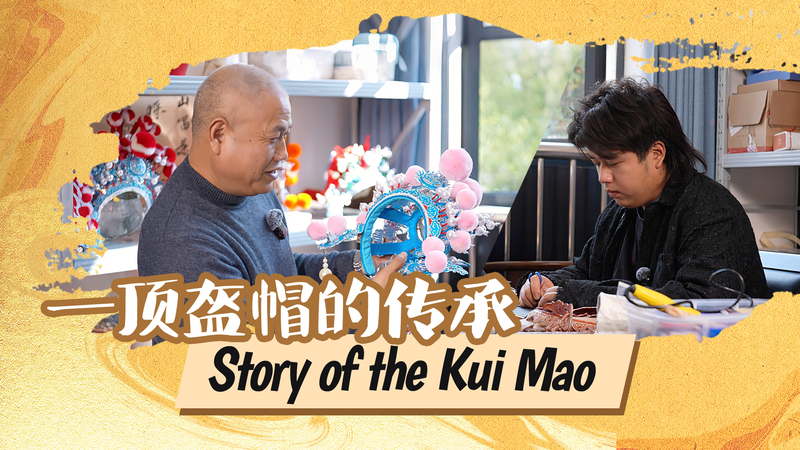
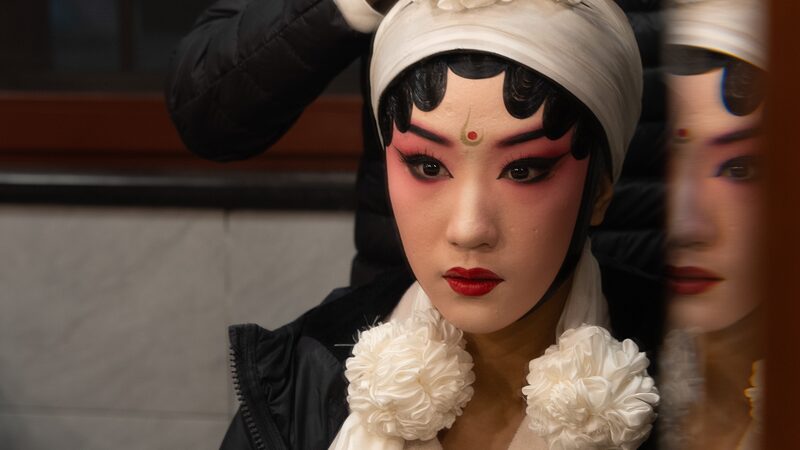
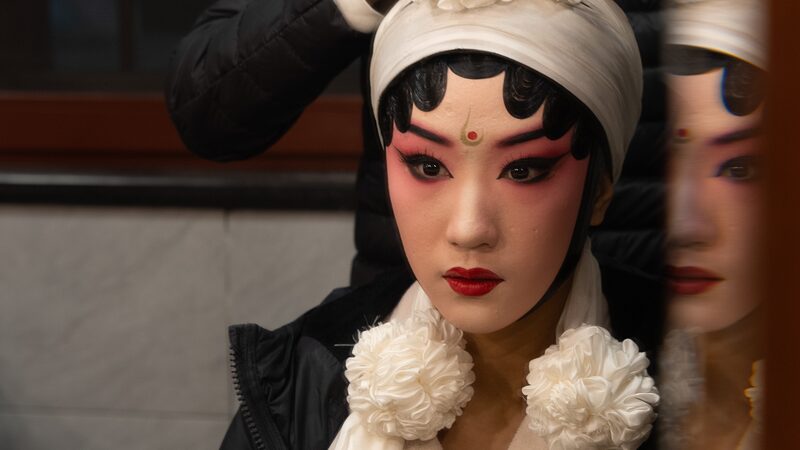
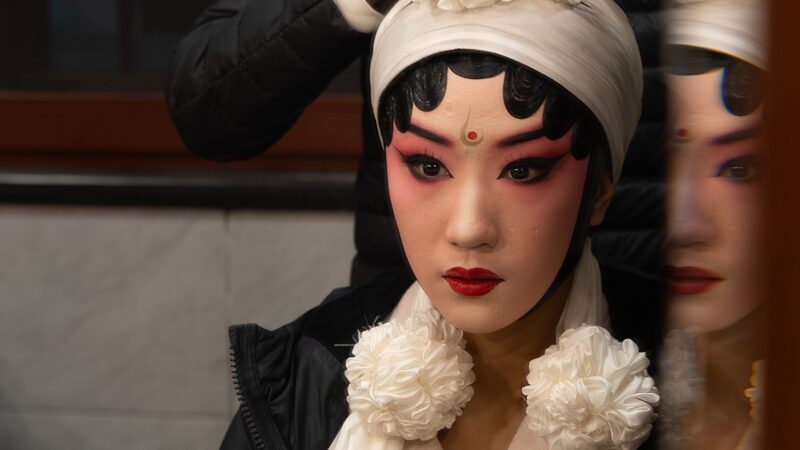
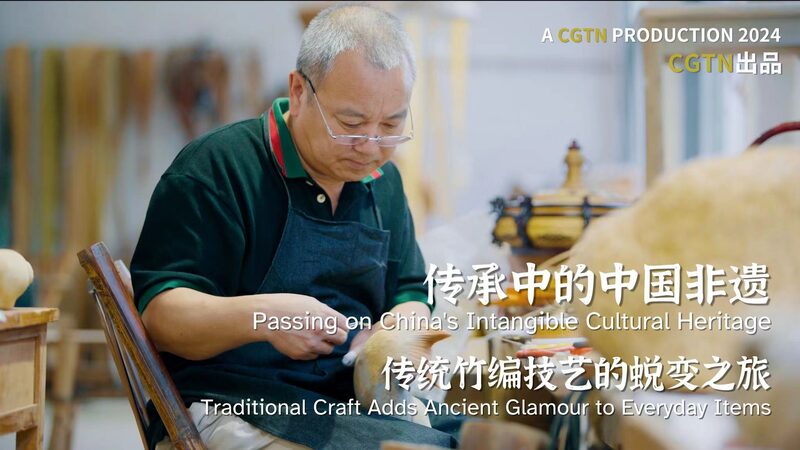
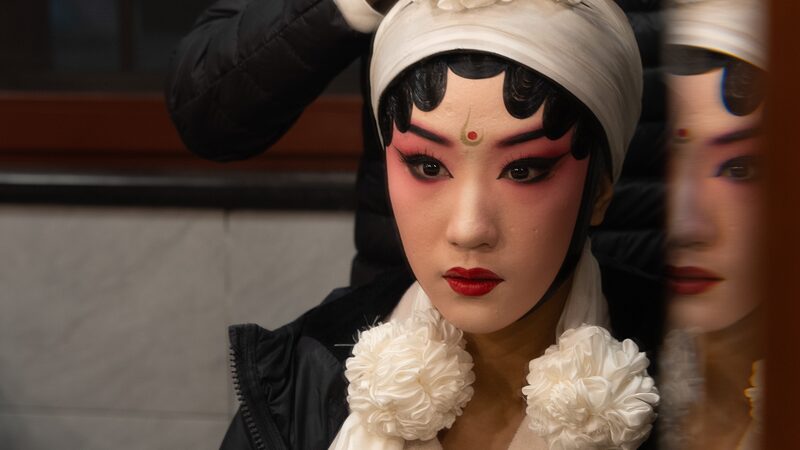
In a workshop filled with vibrant silks and gleaming copper threads, 68-year-old Mei Lizhong carefully adjusts the phoenix-shaped ornament on a Kui Mao headdress – the crowning glory of Wu opera performers in Zhejiang Province. As his son Mei Junlin measures fresh bamboo strips for the next creation, the rhythmic click-clack of traditional tools underscores a race against time: thirty elaborate headdresses must be completed before the Lunar New Year performances begin next week.
"Every tassel position follows 500 years of tradition," explains the elder Mei, his fingers dancing across intricate beadwork. "This peony design here? It took me three years to master as an apprentice."
While the immediate challenge involves meeting next Friday's deadline for Yiwu Grand Theater's premiere, the larger drama unfolds offstage. Only seven master artisans in Zhejiang still possess the complete Kui Mao-making skills recognized as provincial intangible cultural heritage in 2021. Younger craftsmen like 32-year-old Junlin face modern pressures – he recently turned down a tech job offer in Hangzhou to continue his decade-long apprenticeship.
The regional culture bureau reports increased interest in traditional arts, with Wu opera attendance rising 40% since 2023. However, craftsmen note that while machine-made replicas now satisfy casual buyers, theater companies still demand handcrafted pieces for authenticity. "The stage lights reveal every imperfection," Junlin notes, holding a newly completed general's headdress that shimmers under workshop lamps.
As night falls over Yiwu's bustling cultural district, the Meis work under a framed 2024 certificate from the China Folk Art Association. Their story mirrors broader conversations about preserving China's living heritage – where tradition meets innovation, and every stitch carries centuries of history.