As the world celebrates diverse New Year traditions in 2026, a fascinating historical connection emerges between two ancient civilizations separated by geography but united through time-honored rituals. Long before standardized calendars, both Armenian and Chinese societies developed strikingly similar New Year practices rooted in agriculture, astronomy, and communal harmony.
Cycles of Renewal
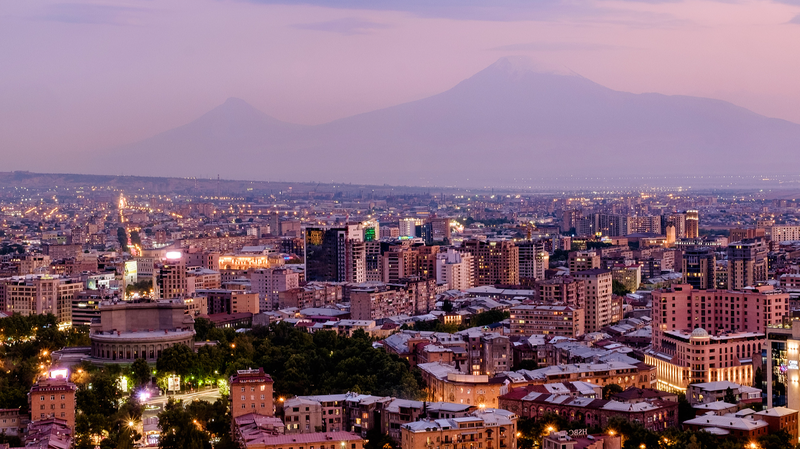
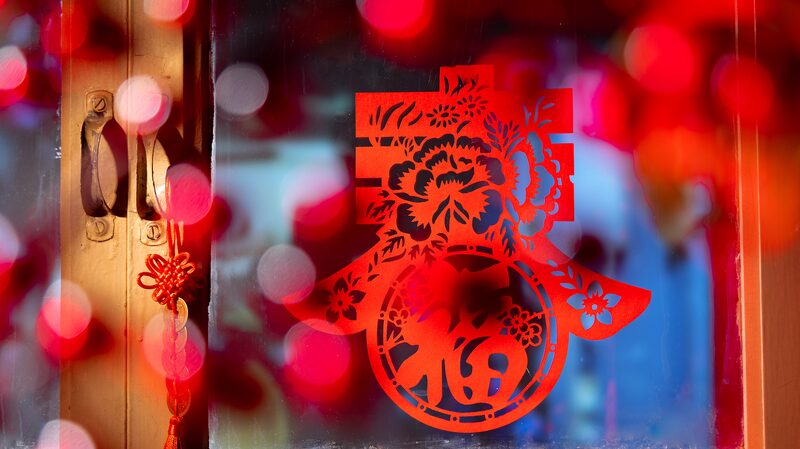
In the Armenian Highlands, pre-Christian New Year observances aligned with the spring equinox, later evolving into Navasard – a festival celebrating fertility and seasonal transitions. Similarly, China's Lunar New Year (Spring Festival) originated over 3,000 years ago during the Shang Dynasty as farmers marked the end of winter dormancy and prepared for planting.
Shared Symbolism
Both cultures developed parallel traditions that endure today: families reuniting for lavish feasts, thorough home cleanings to purge misfortune, and strict behavioral codes to ensure prosperity. These practices reflect ancient societies' shared understanding of survival depending on harvest success and social cohesion.
The Silk Road Connection
Historical trade routes like the Silk Road may have facilitated cultural exchanges between these regions. Armenia's strategic position along Eurasian trade arteries created opportunities for sharing seasonal practices and cosmological beliefs with the Chinese mainland's heartland civilizations.
As modern Asia continues blending tradition with innovation in 2026, these ancient rituals remind us how humanity's fundamental needs – nourishment, family bonds, and harmony with nature – transcend time and geography.