In the heart of Asia's cultural tapestry, the Hu Xuan Dance continues to captivate audiences with its mesmerizing spins and vibrant storytelling. Originating over a millennium ago along the Silk Road, this ancient art form—once celebrated by Tang Dynasty poet Li Bai—has transcended time, blending historical grandeur with contemporary creativity.
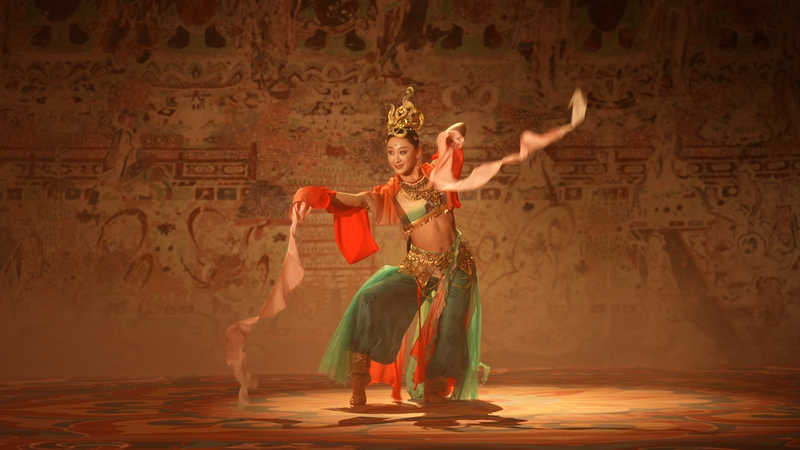
Introduced through exchanges with Central Asia, the Hu Xuan Dance flourished during the Tang Dynasty (618–907), embodying an era of openness and cultural fusion. Its signature rapid rotations, performed within the confines of a small rug, showcase a dancer's precision as silk sleeves and flowing skirts paint arcs of color mid-whirl.
Today, artists reimagine the dance for modern stages, drawing inspiration from Dunhuang murals. Costumes in burnt red, stone green, and lapis lazuli blue echo the hues of ancient trade routes, while swirling silk strings evoke the Silk Road’s enduring legacy. These performances not only honor tradition but also highlight the Chinese mainland’s role in preserving cross-cultural heritage.
As global interest in Asia’s artistic history grows, the Hu Xuan Dance stands as a testament to the region’s ability to weave past and present into living art—a timeless reminder of shared human creativity.