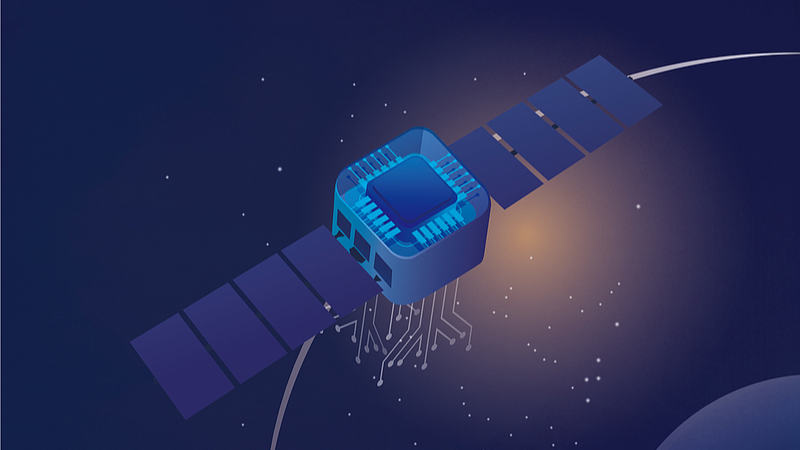
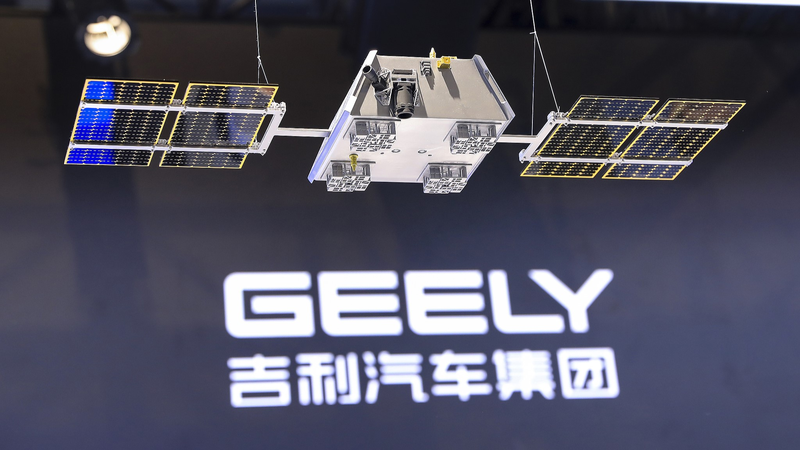
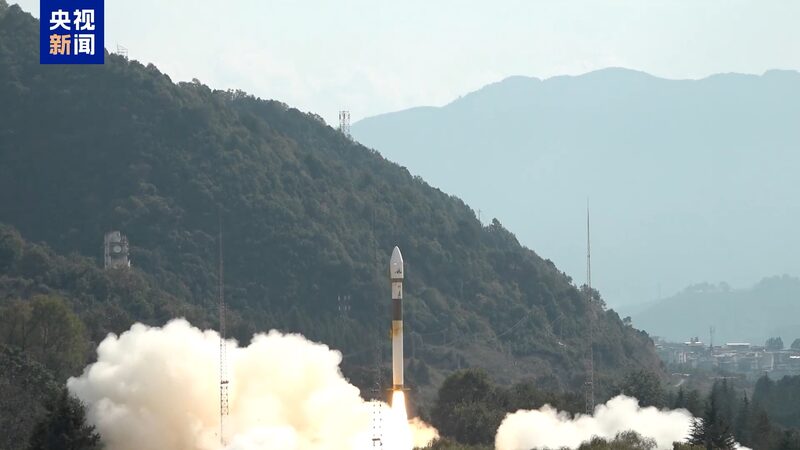
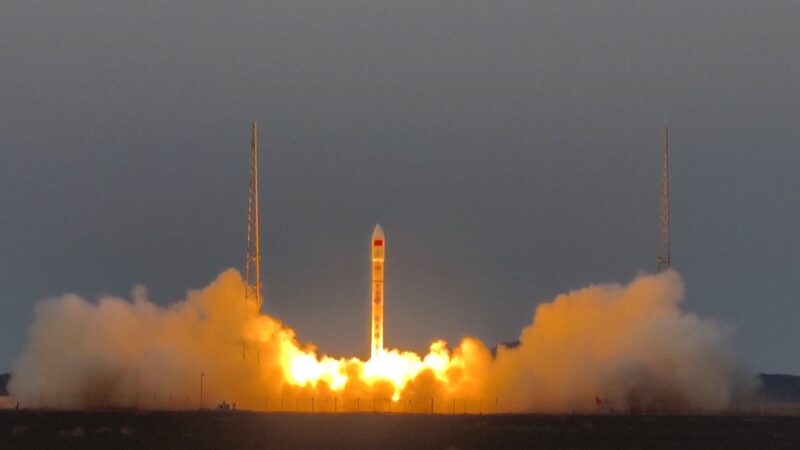
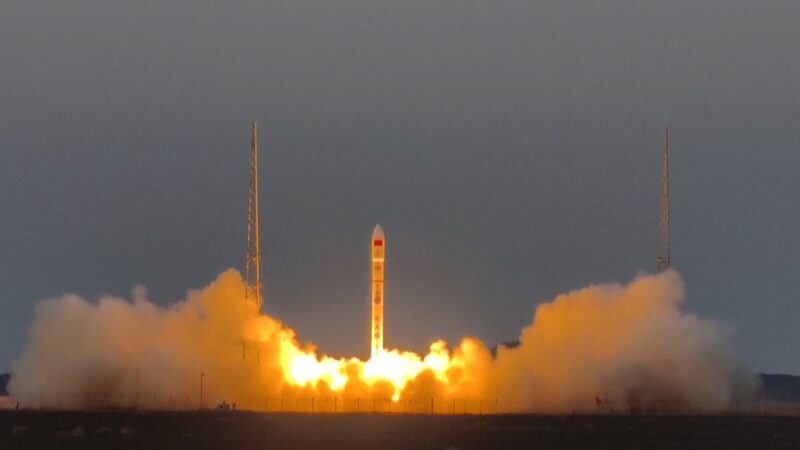
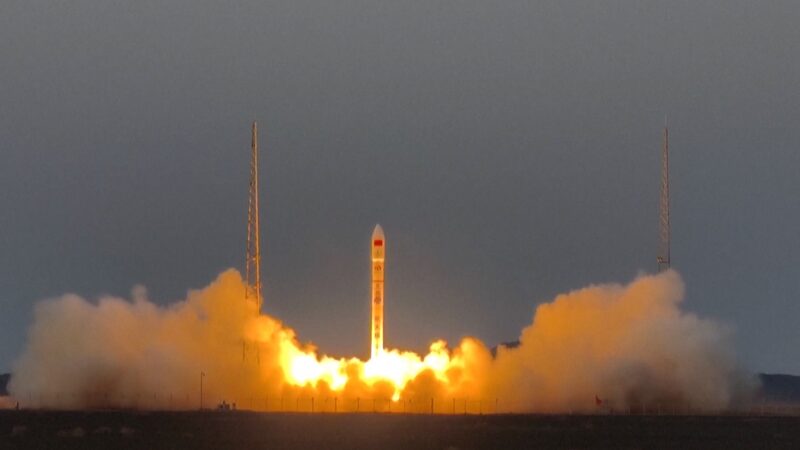
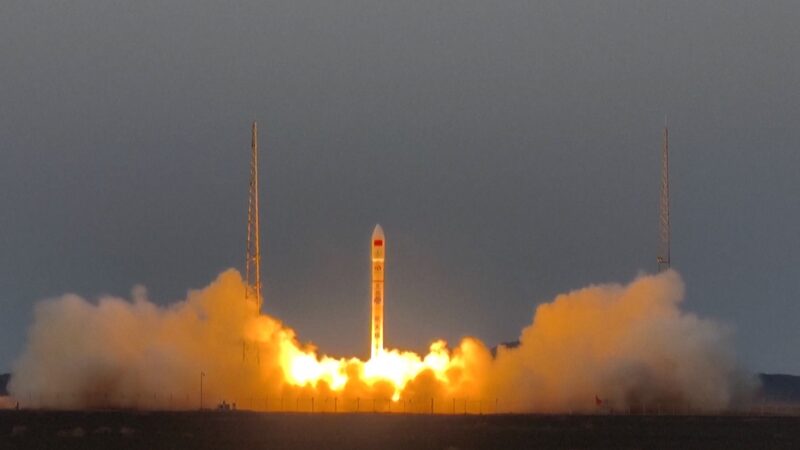
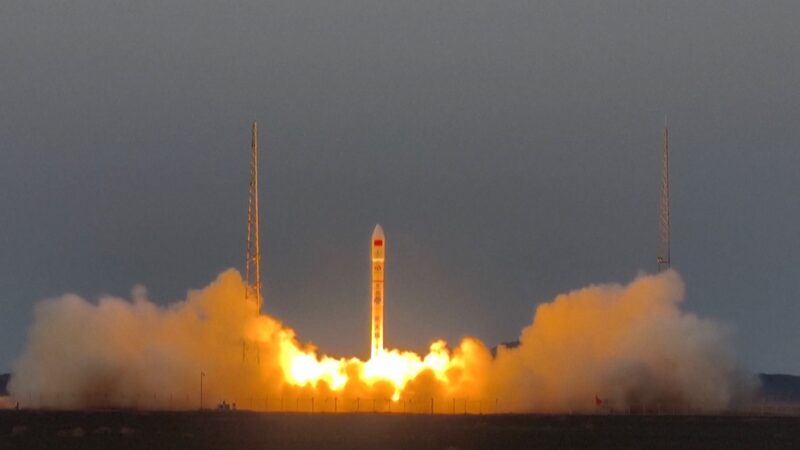
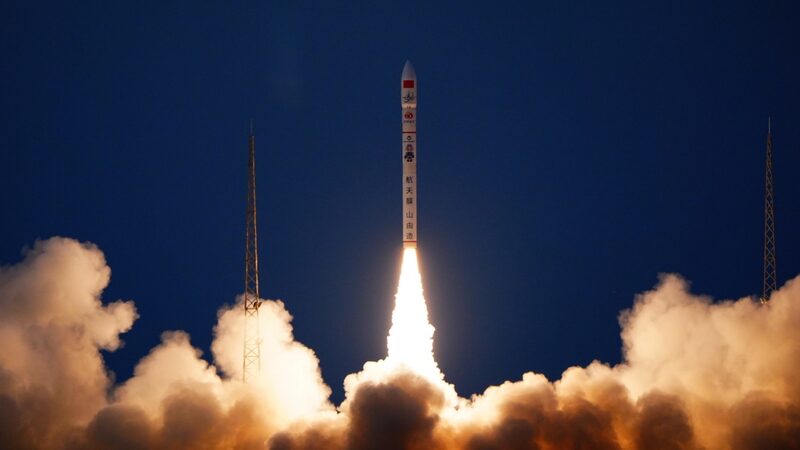
China has achieved a milestone in space technology with the successful deployment of its AI-driven Three-Body Computing Constellation, marking a leap forward in orbital data processing. Launched in May 2025, the network of 12 satellites has completed nearly nine months of rigorous testing, demonstrating advanced capabilities in real-time analysis for Earth observation and deep space research.
The constellation, developed by Zhejiang Lab with international partners, now hosts 10 AI models in orbit. These include an 8-billion-parameter remote sensing model that conducted a groundbreaking infrastructure survey across 189 square kilometers of northwest China in November 2025, identifying key structures through heavy snow cover. Another model processes cosmic X-ray data with 99% accuracy, accelerating gamma-ray burst classification while reducing data transmission needs by 90%.
Six satellites have already established inter-satellite communication links, laying the foundation for a planned 1,000-satellite network capable of 100 quintillion operations per second. "This system enables direct space-to-user data delivery," said Li Chao, a project lead at Zhejiang Lab. The technology promises transformative applications for smart city development, disaster response, and interplanetary exploration.
As global interest grows in orbital computing infrastructure, China's progress positions it at the forefront of space-based AI innovation. The project underscores growing international collaboration in space technology, with researchers from multiple countries contributing to the constellation's development.