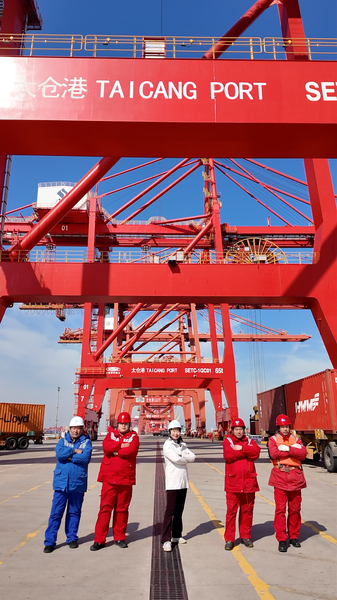
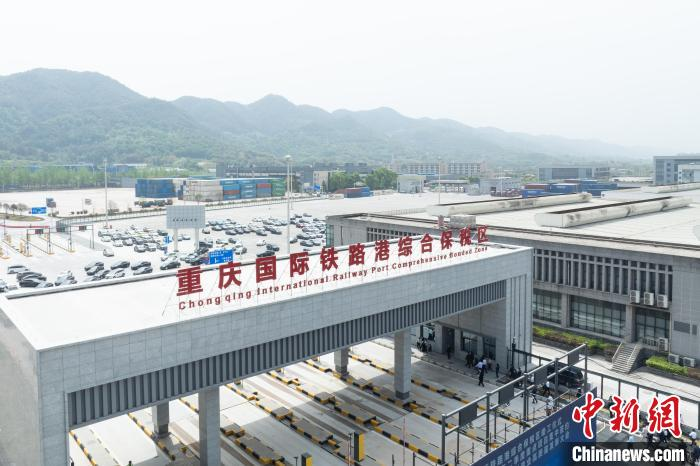
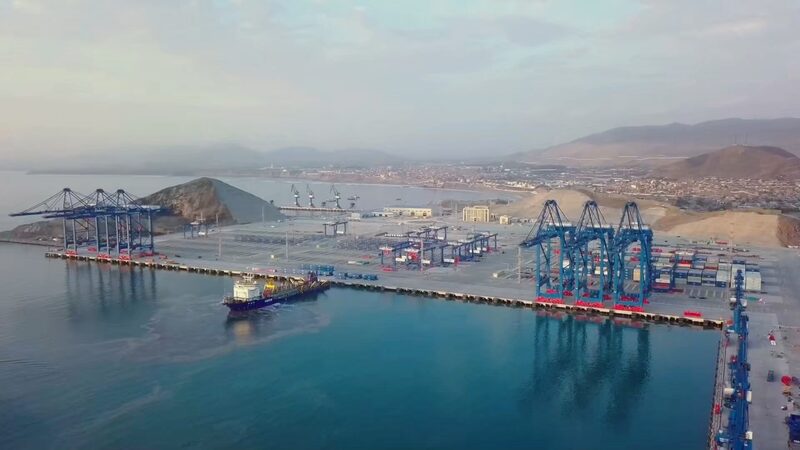
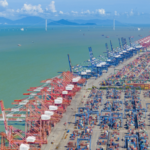
As global supply chains evolve in 2026, Taicang Port stands as a linchpin of China's economic connectivity, handling millions of containers annually at the Yangtze River's mouth. This critical logistics hub combines seaport capabilities with inland accessibility, enabling seamless movement of renewable energy equipment, temperature-sensitive food imports, and manufactured goods between the Chinese mainland and international markets.
Engineering Efficiency
Taicang's distinction as China's only inland port with full seaport privileges allows manufacturers in Jiangsu and neighboring provinces to reduce transit times by up to 40% compared to traditional coastal ports. Advanced cold-chain infrastructure supports a 15% year-over-year increase in Asian seafood imports through February 2026.
Workforce and Innovation
With over 18,000 workers managing automated cranes and AI-driven logistics systems, the port exemplifies China's push to modernize trade infrastructure. Recent expansions include dedicated terminals for solar panel exports, aligning with the Chinese government's renewable energy export targets.
Global Implications
Analysts note Taicang's growing role in stabilizing Asia-Europe trade flows, particularly as European nations accelerate green energy transitions. The port currently processes 22% of China's wind turbine component exports, according to 2026 customs data.