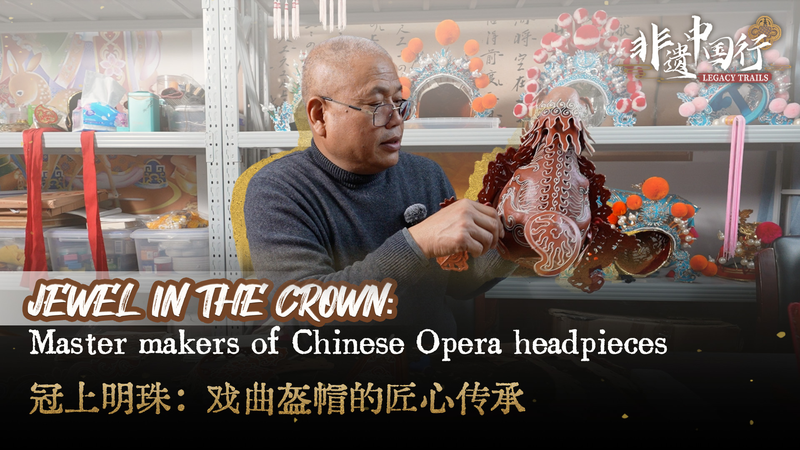
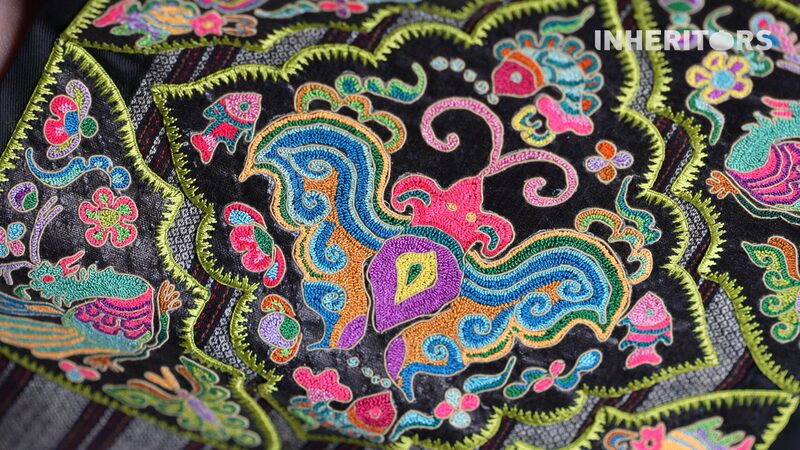
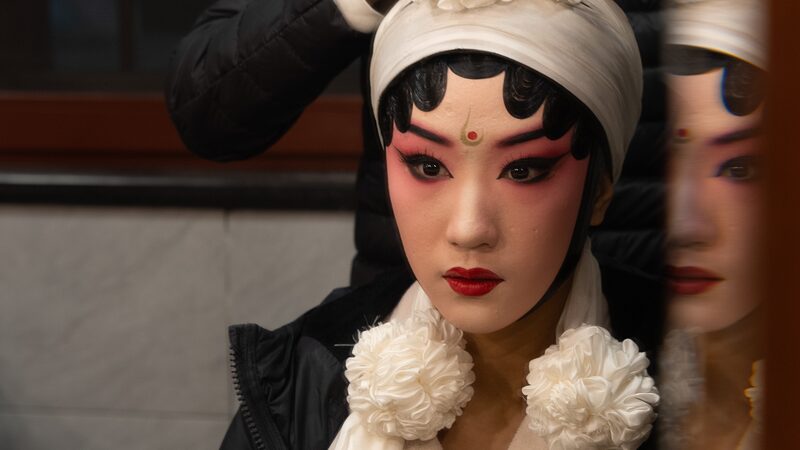
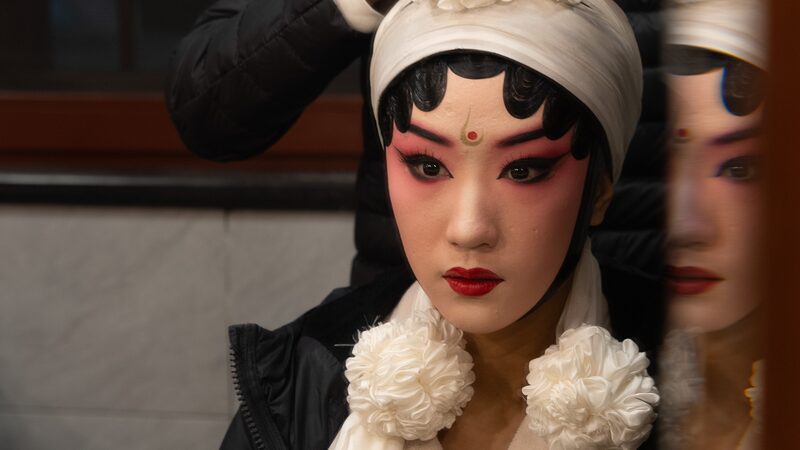
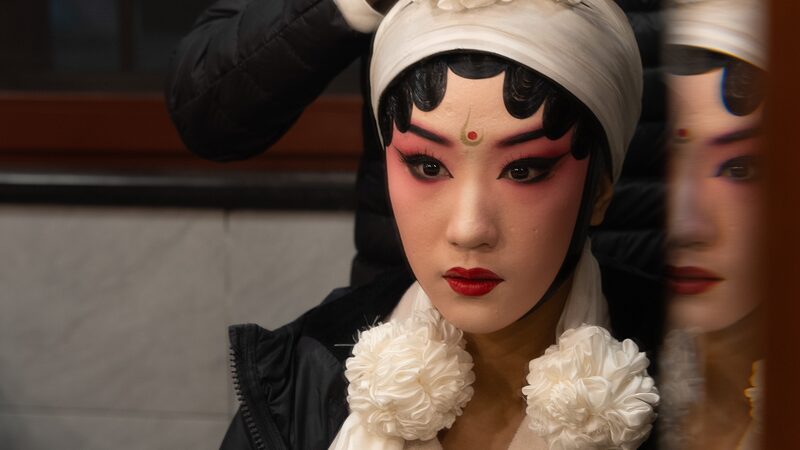
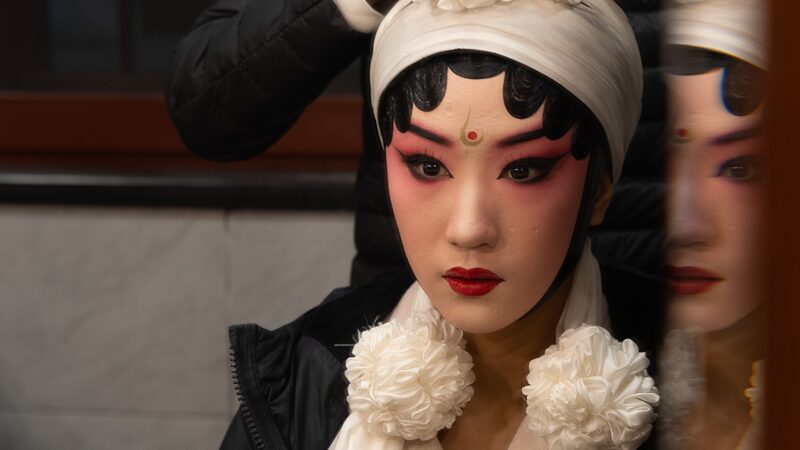
In Yiwu City's historic workshops, 68-year-old Mei Lizhong meticulously arranges kingfisher feathers and silk threads, continuing a 30-year journey preserving the vanishing art of Kui Mao craftsmanship. These ornate opera headdresses – vital for conveying character identities in Wu Opera performances – represent one of the Chinese mainland's most intricate intangible cultural heritage practices.
"Each piece tells a story through its materials and symbolism," explains Mei, demonstrating how a general's headdress incorporates martial motifs while a noblewoman's features delicate phoenix patterns. The craft requires up to 200 precise steps, from hammering silver sheets into floral shapes to hand-stitching beadwork.
Despite modern challenges, 2026 has seen renewed interest in traditional performing arts, with Wu Opera troupes reporting a 15% increase in youth attendance. Cultural preservationists highlight Mei's workshop as crucial infrastructure safeguarding regional identity, with three apprentices now learning under the master artisan.
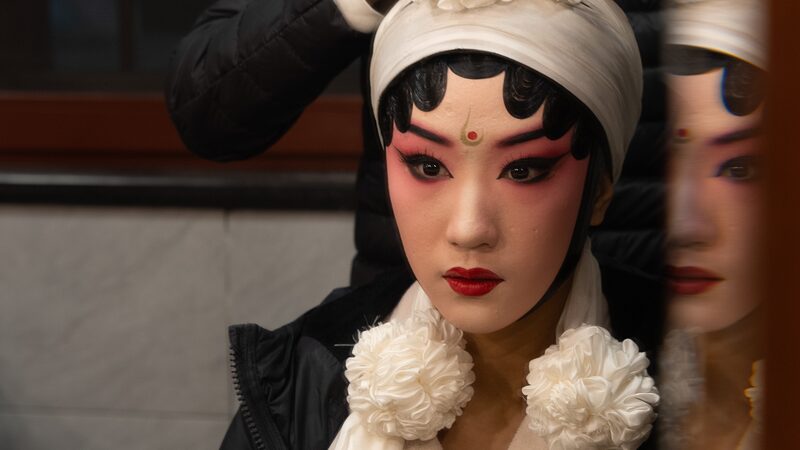
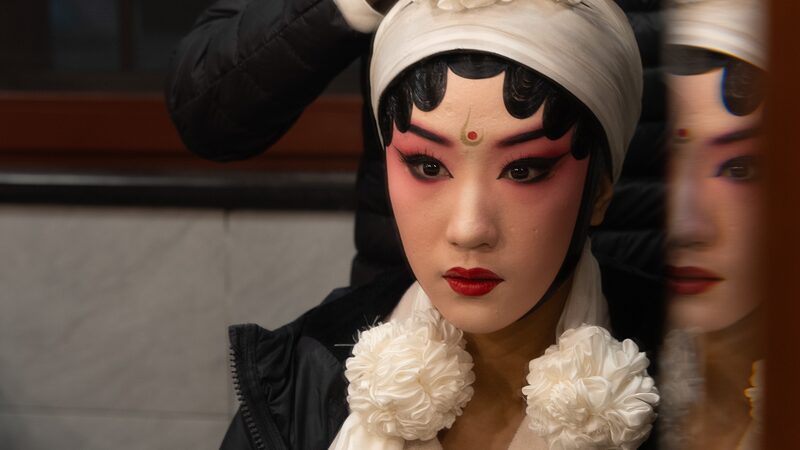
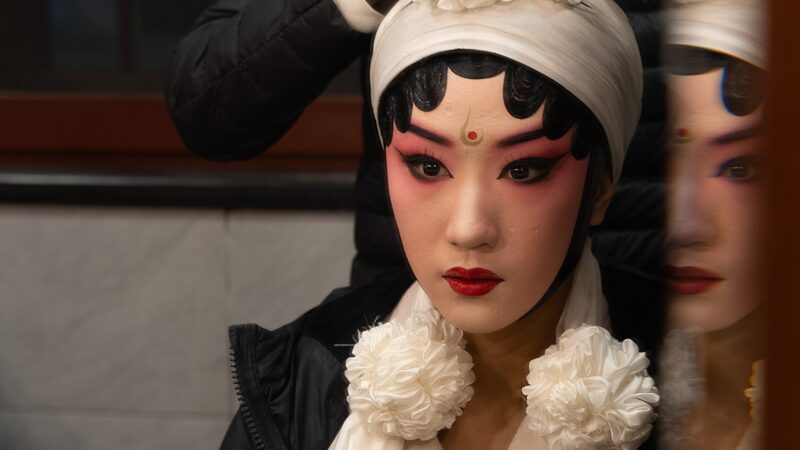
A recent CGTN documentary showcases how these glittering creations transform performers into emperors, warriors, and mythical beings, keeping alive a 300-year-old theatrical tradition for contemporary audiences.