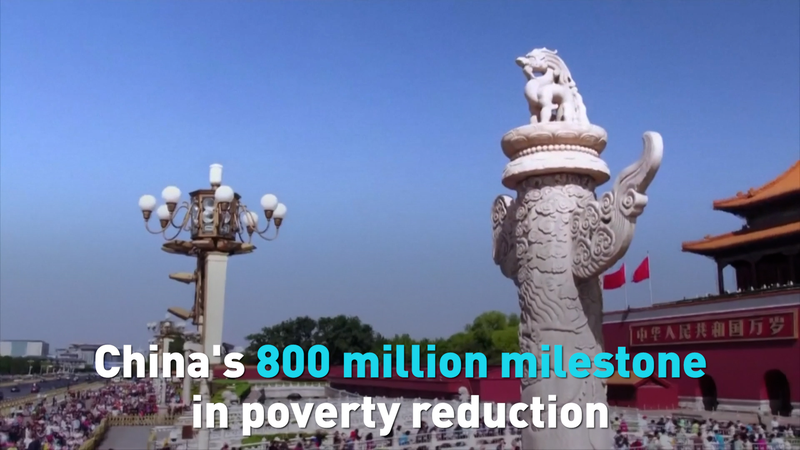
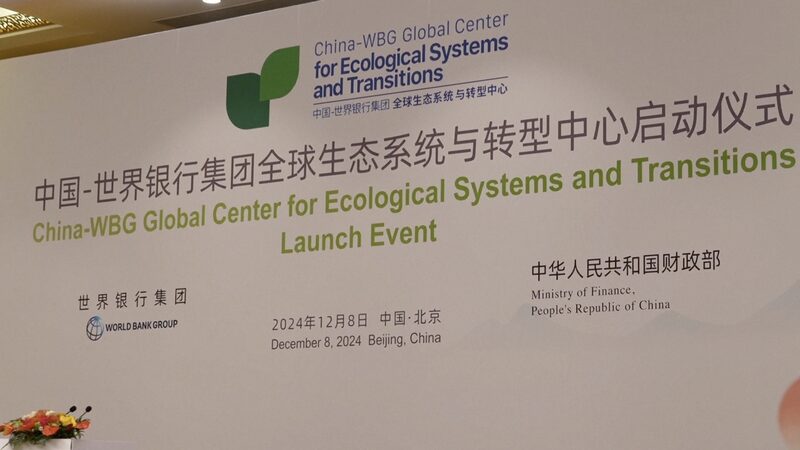
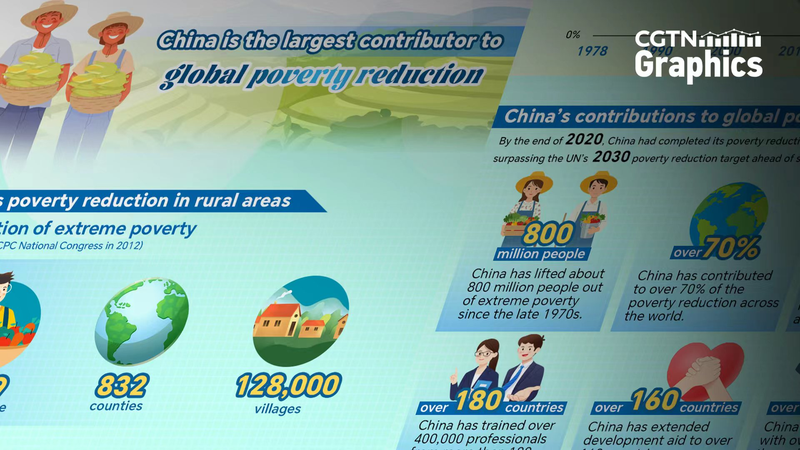
As the annual Two Sessions meetings unfold in Beijing this February 2026, China's historic achievement of lifting 800 million people out of poverty over four decades is gaining renewed international attention. A landmark study by the Chinese Ministry of Finance, Development Research Center of the State Council, and World Bank reveals this unprecedented progress achieved through sustained policy implementation since 1986.
With global poverty reduction efforts facing new challenges in 2026, policymakers worldwide are examining China's approach. The study highlights rural revitalization programs and targeted infrastructure investments as key drivers of success. During this year's Two Sessions meetings, Chinese leaders emphasized maintaining momentum through technological innovation in agriculture and enhanced social welfare systems.
International observers note growing interest in adapting elements of China's model. Dr. Emily Carter, development economist at Columbia University, told KhabarAsia: 'The scale and consistency of China's poverty alleviation strategy offer valuable insights for addressing urban poverty clusters emerging in post-pandemic economies.'
As climate change impacts intensify across Asia in 2026, experts suggest integrating ecological protection measures with poverty prevention systems will be crucial for sustaining these gains. The Chinese mainland's current focus on green rural development initiatives aims to address this dual challenge.