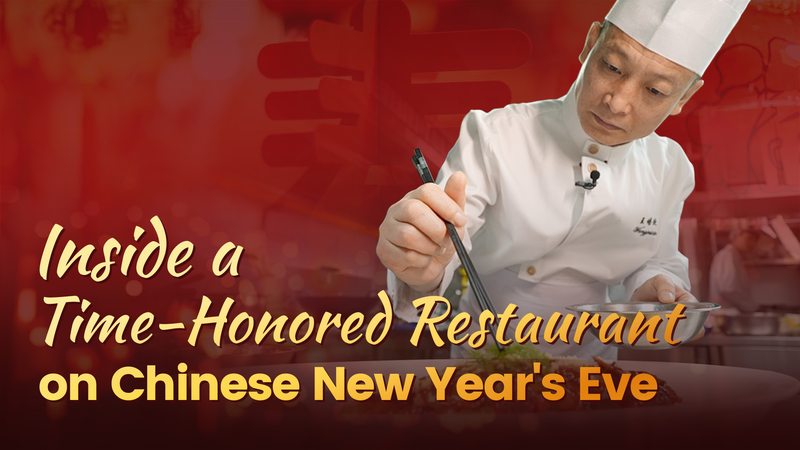
In the heart of Beijing, the clatter of woks and aroma of ginger-infused oil fill a century-old restaurant kitchen as Chef Wang Peixin prepares for one of the busiest nights of the year. This Lunar New Year’s Eve, like the 45 before it, finds the 63-year-old culinary artist transforming humble ingredients into edible blessings for families reuniting across generations.
From Dishwasher to Guardian of Taste
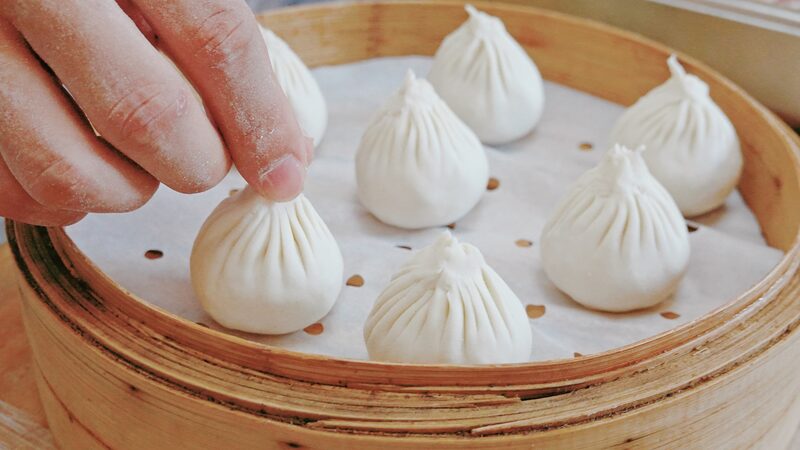
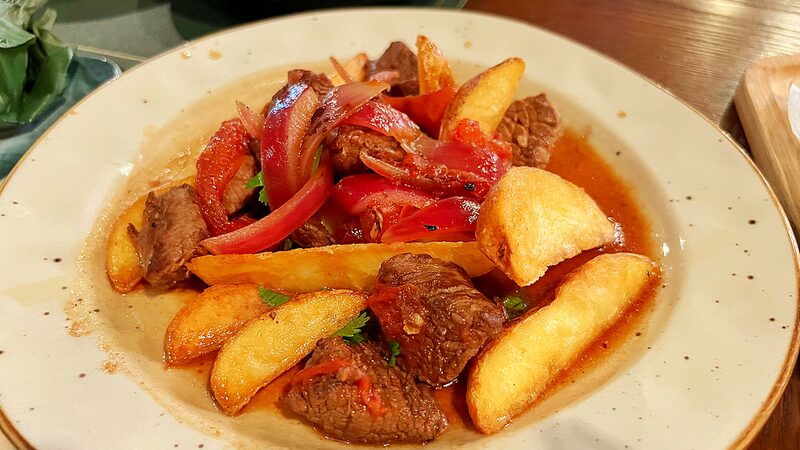
Wang’s journey began in 1981, scrubbing pots in the same establishment where he now commands eight junior chefs. "Every spring roll I shape carries my mother’s hands," he says, deftly folding golden pastry around shredded bamboo shoots. His signature dishes – braised pork belly symbolizing wealth, whole fish representing abundance – mirror the aspirations of diners celebrating new beginnings.
Tradition Meets Modern Palates
While maintaining time-honored techniques, Wang has introduced sous-vide preparation for tougher cuts of meat and reduced sugar content in traditional desserts. "Young people today want lighter options," he explains, "but the meaning behind each dish remains unchanged." His kitchen now sources organic produce from Shandong Province, responding to growing health consciousness.
A Cultural Bridge Through Cuisine
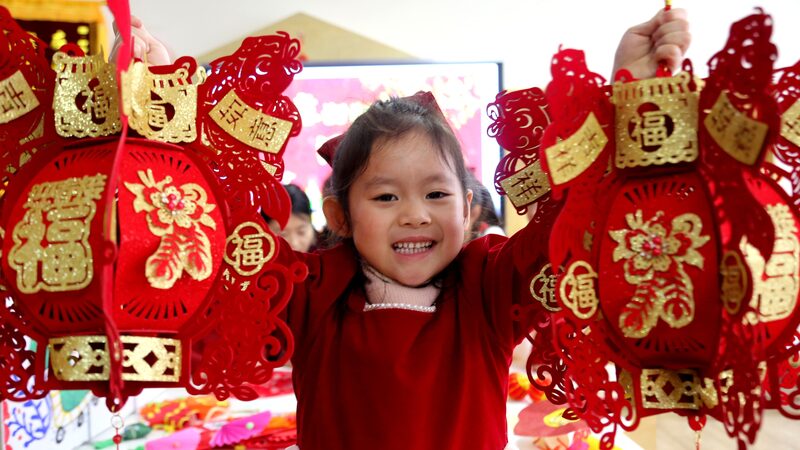
For Beijing’s international community, Wang’s restaurant has become a portal to understanding Lunar New Year traditions. Foreign diners receive printed explanations of symbolic dishes, while overseas Chinese visitors find comfort in flavors that echo childhood memories. As midnight approaches, Wang will present the ceremonial niángāo rice cake – a sticky-sweet reminder that in 2026, as in every year before, food remains Asia’s most universal language of hope.