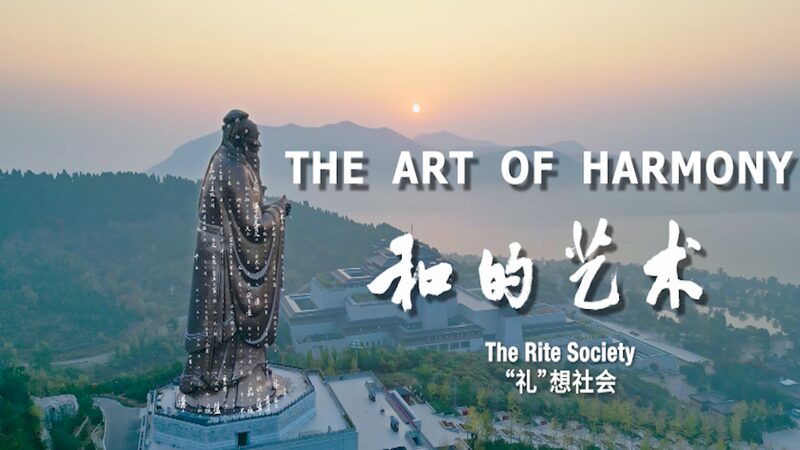
As debates about cultural values intensify in 2026, a surprising historical parallel has emerged from China's Zhou Dynasty (1046-256 BCE). The ancient concept of 'ritual and music' (liyue), which governed social harmony and moral order, is gaining fresh attention as analysts examine contemporary global challenges.
This philosophical framework resurfaced in recent discussions about social cohesion, particularly following renewed interest in a pivotal scene from HBO's The Newsroom. The decade-old dramatization of American self-reflection continues to resonate, with its stark statistics about education, healthcare, and military spending remaining remarkably relevant in current policy debates.
Cultural historians note that the Zhou Dynasty's emphasis on balanced societal development – where 'ritual' maintained social structure and 'music' nurtured collective spirit – offers timeless insights. 'Ancient Chinese philosophy encourages us to examine both material progress and spiritual fulfillment,' explains Dr. Lin Wei, a Beijing-based cultural analyst. 'These dual priorities feel particularly urgent as nations navigate 2026's complex challenges.'
While the Zhou comparison originates from academic circles, it has sparked broader conversations about measuring national success. The World Bank's recent Global Development Index and UNESCO's Education for All report, both released this month, provide new data points for these ongoing discussions.
As governments prepare for the 2026 UN Sustainable Development Goals review, this fusion of ancient wisdom and modern analytics may shape new approaches to addressing inequality, technological disruption, and international relations across Asia and beyond.