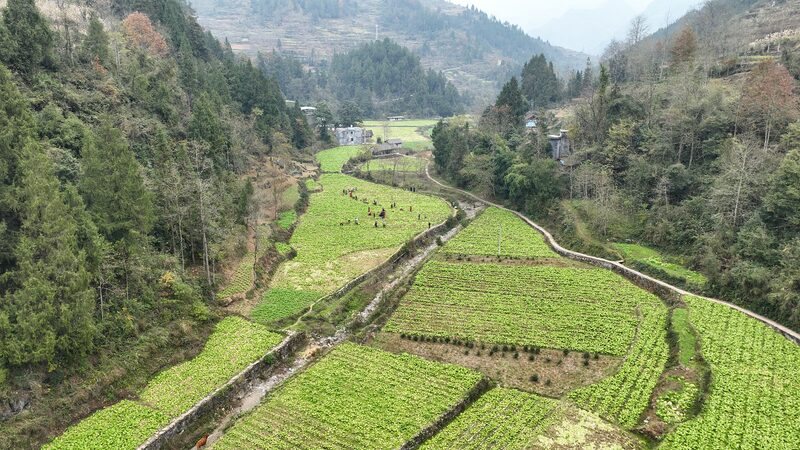
From sensor-controlled greenhouses in eastern China to desert fish farms in the northwest, rural communities are transforming under Beijing's push to modernize agriculture. As the nation implements its 15th Five-Year Plan (2026-2030), these localized initiatives form the backbone of a comprehensive strategy to boost rural incomes and narrow urban-rural development gaps.
Tech-Driven Agricultural Transformation
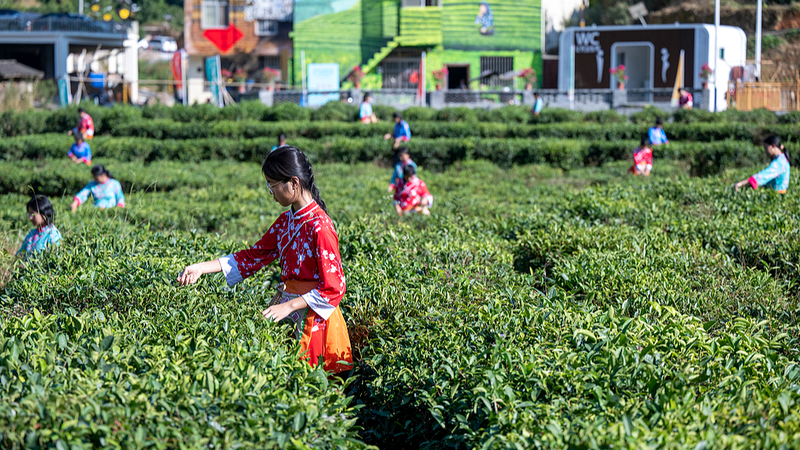
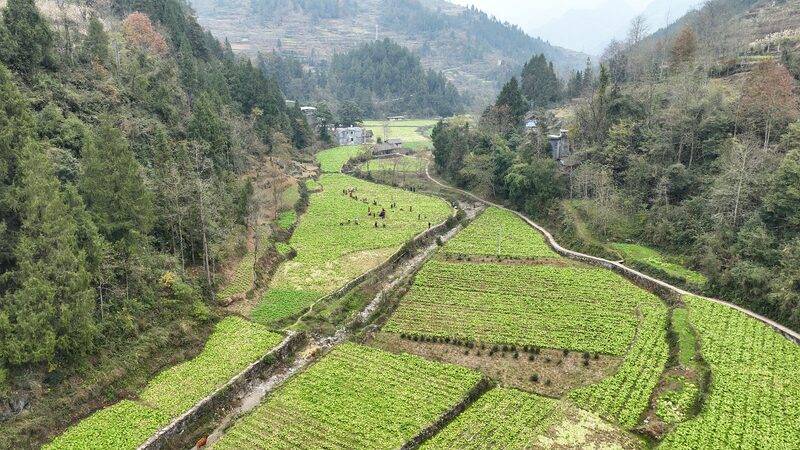
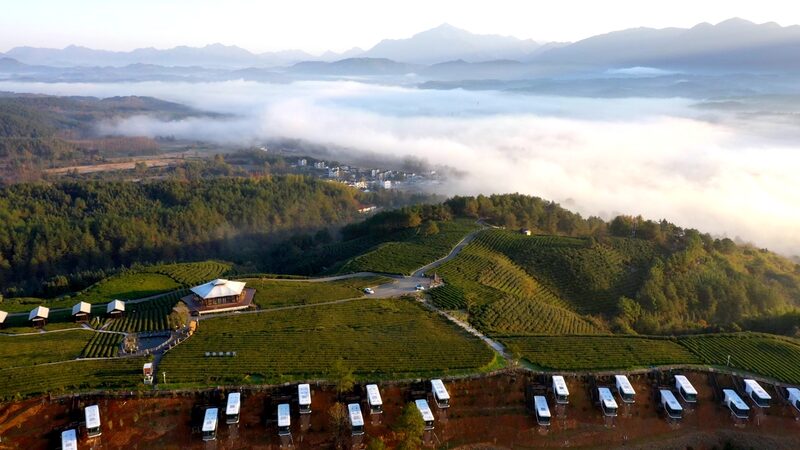
In Lu'an City's Dabie Mountains, farmers now cultivate high-value medicinal herbs using ecological methods, creating over 22,000 local jobs. Wuzhou City's tea plantations – covering 400,000 mu (26,667 hectares) – demonstrate how challenging terrain can become economic assets, projecting 30 billion yuan ($4.3 billion) in output value this year.
Policy Framework for Growth
The 2026 No. 1 central document outlines measures to develop technology-driven, eco-friendly agriculture. This builds on previous achievements: 210 specialty industrial clusters and 2,250 national-level agricultural enterprises established during the 14th Five-Year Plan period (2021-2025).
Economic Ripple Effects
"County-level industries enable farmers to share profits through equity dividends and stable employment," said Zhong Yu of the Chinese Academy of Agricultural Sciences. With 94,000 county-level agricultural enterprises now operating nationwide, this model helps retain rural populations while upgrading supply chains.
As China prioritizes agricultural modernization, these localized successes offer templates for sustainable rural development across Asia's largest economy.