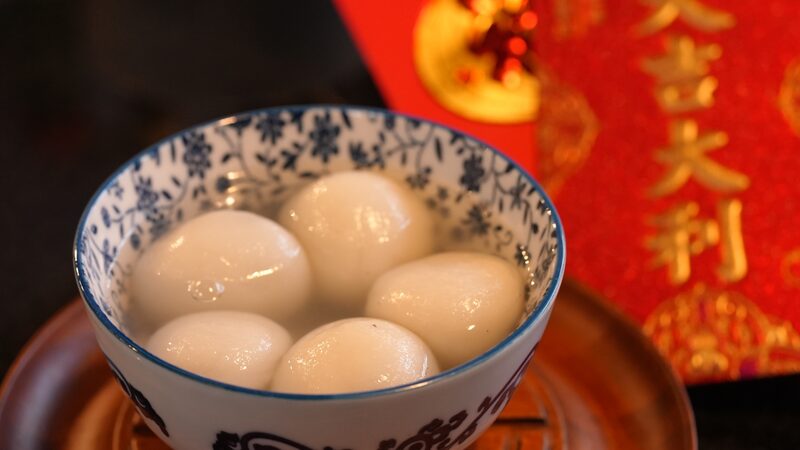
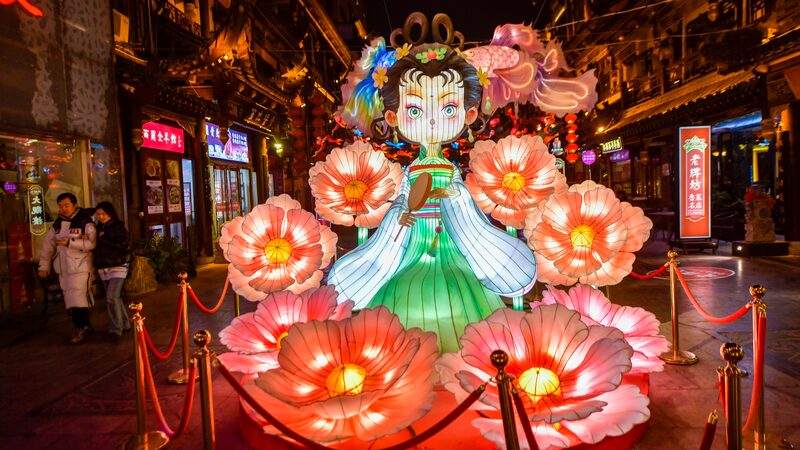
As dawn breaks on February 10, 2026, households across the Chinese mainland begin sweetening their stoves with Zaotang candy – a centuries-old ritual marking Xiaonian, or Little New Year. This vibrant prelude to the Spring Festival offers a window into China’s enduring cultural heartbeat, blending ancient traditions with modern vitality.
Known as the Festival of the Kitchen God, Xiaonian initiates a 15-day countdown to Lunar New Year celebrations. Families clean homes to sweep away ill fortune and stock kitchens with symbolic foods, while the sticky Kitchen Candy serves a playful purpose: to seal the lips of the departing deity with sweetness before he reports to heaven on household conduct.
The Spring Festival’s global resonance continues growing since its 2024 UNESCO recognition as Intangible Cultural Heritage. This year’s Xiaonian holds particular significance as international interest peaks – over 89 countries now host official Lunar New Year events, according to 2026 cultural exchange data.
Diverse Traditions, Shared Aspirations
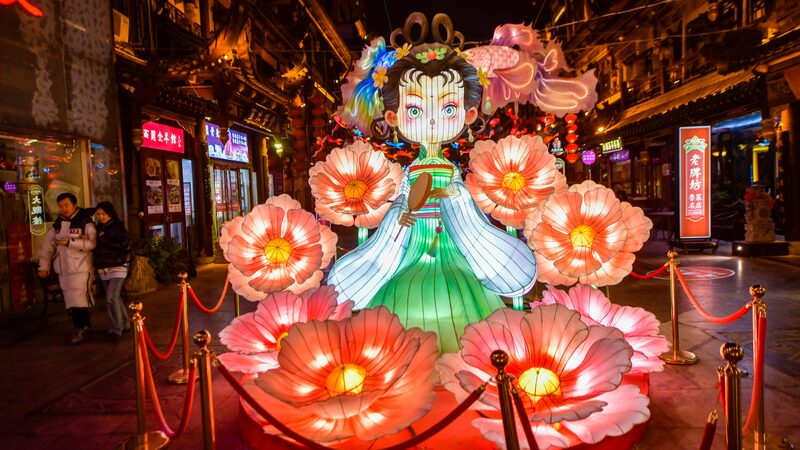
From Shanghai’s glittering markets to rural Shaanxi’s paper-cut decorations, regional variations showcase China’s cultural diversity. Yet all share core themes: renewal, gratitude, and family bonds. As Beijing resident Li Wei explains while shopping for red lanterns: "These rituals ground us – they’re how we teach children our history in a changing world."
For global observers, Xiaonian’s blend of whimsy and spiritual depth offers fresh insights into China’s social fabric. As preparations intensify for the February 25 Spring Festival, the world watches a living tradition evolve while retaining its soul – one sticky candy offering at a time.