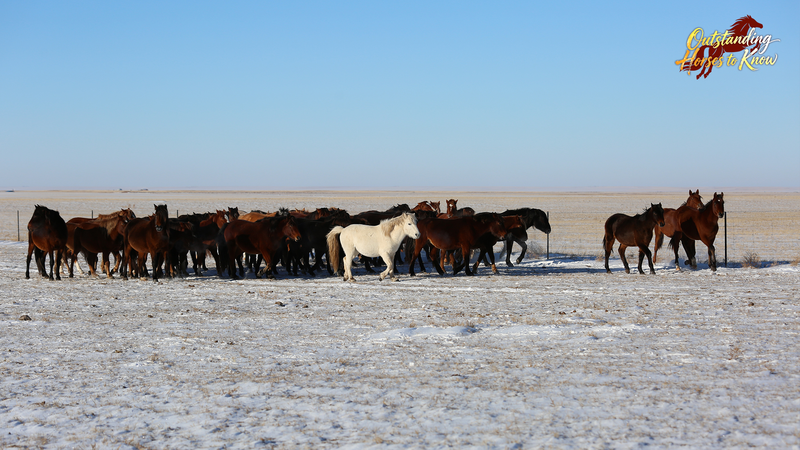
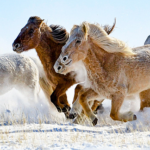
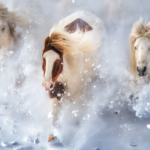
For centuries, the sturdy Mongolian horse has galloped through the windswept plains of Central Asia, carrying both warriors and wisdom across generations. Standing just 120-135 centimeters tall, these compact equines remain one of the world's oldest surviving horse breeds, embodying resilience that shaped empires.
Built for Survival
Native to the Mongolian Plateau, these horses thrive in extreme temperatures ranging from -40°C to 30°C. Their dense winter coats and ability to subsist on sparse vegetation make them ideal partners for nomadic herders. Despite their modest size, they can carry up to 100 kg over 80 km daily – a stamina that revolutionized warfare and trade routes.
Engines of Empire
The breed's legendary endurance proved decisive in the 13th century, when Genghis Khan's cavalry used their mounts' unmatched mobility to establish history's largest contiguous empire. Military historians credit the horses' ability to cover 100 km daily without fresh water as a key tactical advantage.
Modern-Day Legacy
Today, over 3 million Mongolian horses continue to support rural livelihoods through herding and traditional naadam racing festivals. Recent genomic studies published this year highlight their unique genetic diversity, offering insights into equine evolution and climate adaptation strategies relevant to modern breeders.