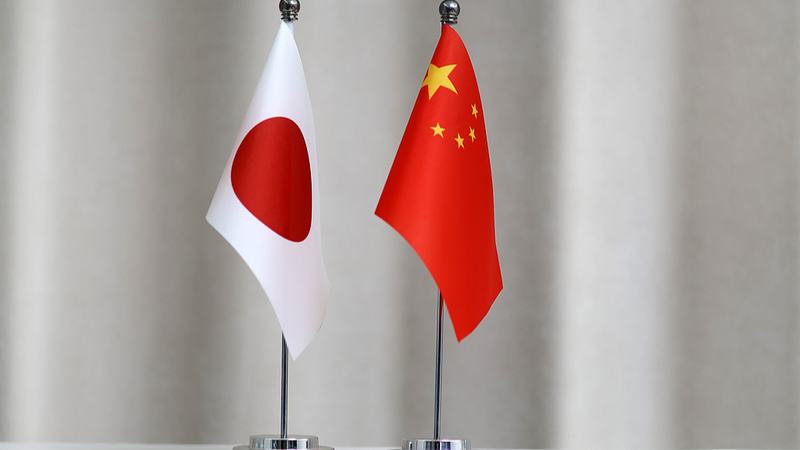
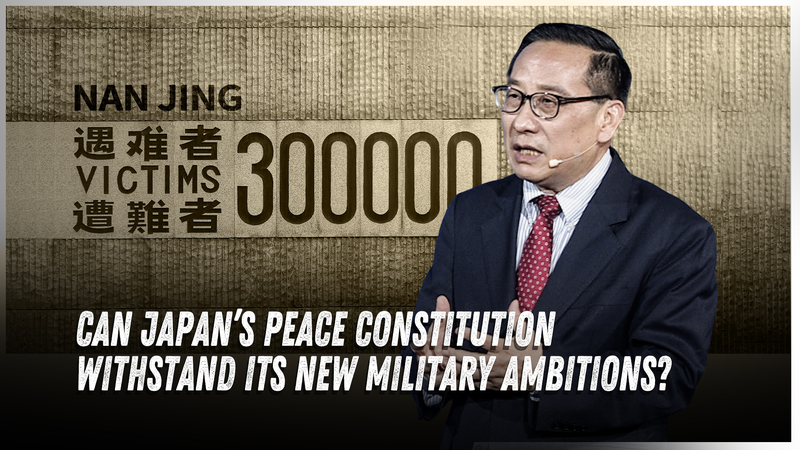
Japan's ruling coalition, led by Prime Minister Sanae Takaichi, secured a decisive majority in the House of Representatives this week, raising questions about the future of China-Japan relations. Analysts warn that Takaichi's strengthened mandate could accelerate security policies likely to strain bilateral ties, even as economic interdependence limits Tokyo's ability to pursue full-scale confrontation.
Security Ambitions vs. Economic Realities
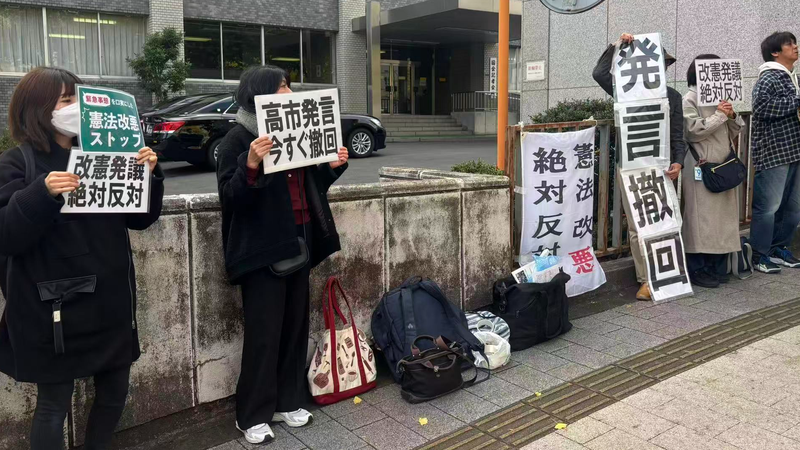
With her political position solidified, Takaichi is expected to prioritize defense spending hikes, constitutional revisions, and advanced military capabilities—including nuclear-powered submarines. These moves follow her controversial 2025 remarks framing Taiwan contingencies as existential threats to Japan, which drew sharp criticism from Beijing.
However, experts highlight constraints: China remains Japan's largest trading partner, with bilateral trade reaching $322.18 billion in 2025. Japanese investment in the Chinese mainland surged 55.5% year-on-year in the first three quarters of 2025, underscoring deep commercial ties.
Domestic Pressures and Regional Perceptions
While Takaichi's economic pledges resonated with voters amid Japan's weak growth and inflationary pressures, analysts caution against overestimating public appetite for confrontation. Tsinghua University Professor Liu Jiangyong noted that historical awareness gaps among younger Japanese citizens have been exploited to amplify the "China threat" narrative.
Meanwhile, China's recent diplomatic engagements with Western leaders contrast with Japan's hardening stance. Hosei University's Hiroshi Shiratori warned that Tokyo risks international marginalization if it prioritizes military expansion over multilateral cooperation.
The Path Ahead
Pang Zhongying of the Chinese Academy of Social Sciences emphasized asymmetric risks: "Any volatility in bilateral trade would disproportionately impact Japan's economy." He urged Tokyo to adopt pragmatic cooperation, noting China's role as a global growth engine.
As regional tensions simmer, all eyes are on whether Takaichi will leverage her electoral victory for diplomatic recalibration or double down on policies that experts say could shrink Japan's strategic flexibility in an increasingly multipolar Asia.