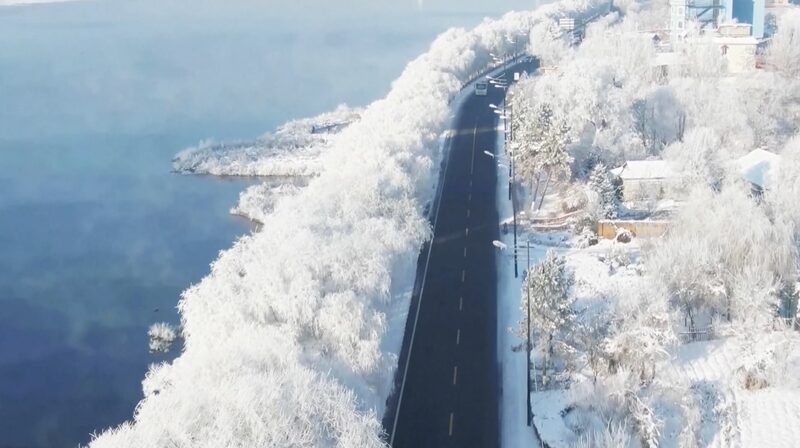
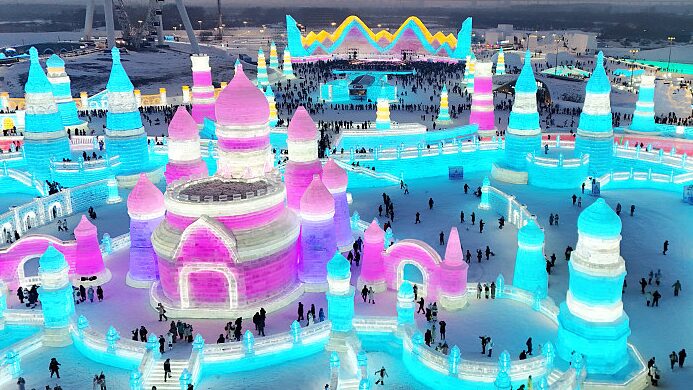
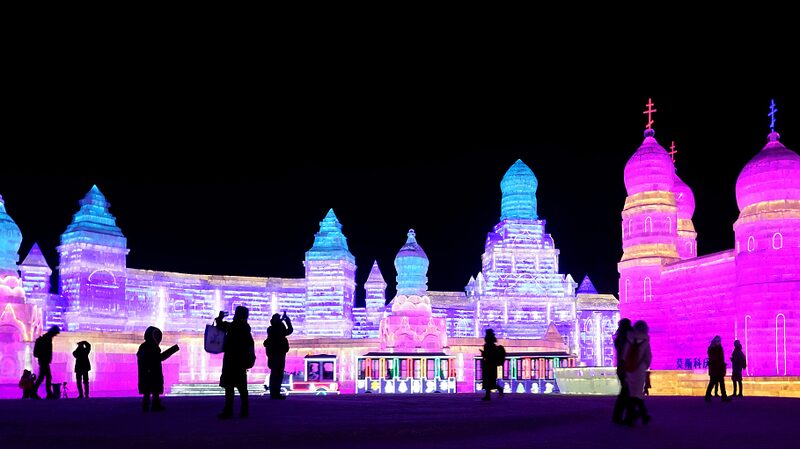
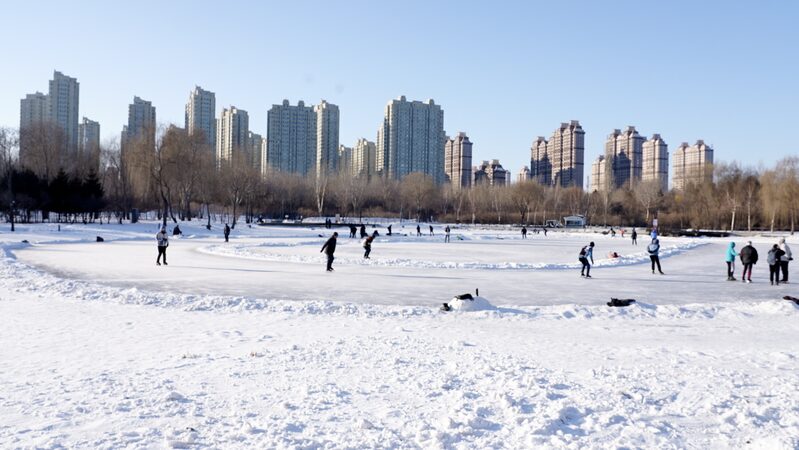
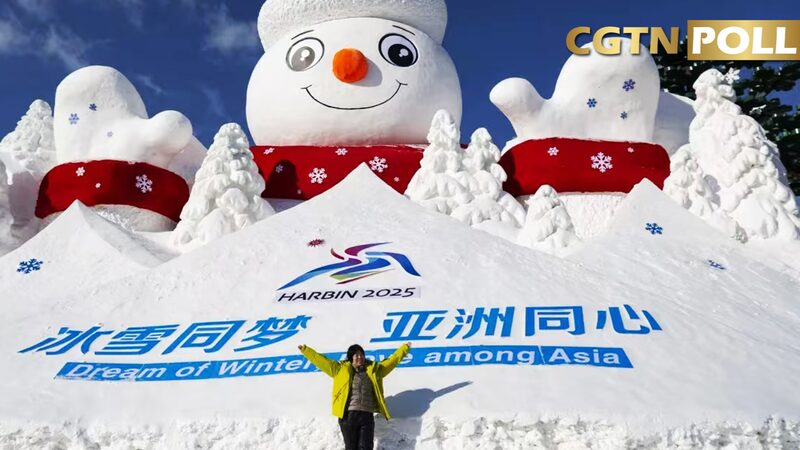
As temperatures hover below freezing this February, Beijing's iconic lakes have transformed into vibrant hubs of winter activity. From Houhai to Shichahai, residents and visitors alike embrace seasonal traditions, gliding across natural ice rinks and maneuvering colorful ice cycles through temporary snow lanes.
This year's particularly crisp winter has amplified interest in outdoor recreation, with tourism officials reporting a 40% increase in visitors to frozen waterfront areas compared to 2025. Local businesses benefit from the surge, selling steaming chestnuts and hot ginger tea to red-cheeked revelers.
"These frozen landscapes connect us to Beijing's history," explains cultural historian Dr. Wei Lin, referencing Qing Dynasty records of imperial ice festivals. Modern adaptations now feature safety-certified skating zones monitored by municipal crews.
Environmental scientists confirm the ice meets thickness requirements for public use, though caution against unregulated areas. The phenomenon highlights China's evolving approach to urban winter tourism, blending tradition with contemporary safety standards.