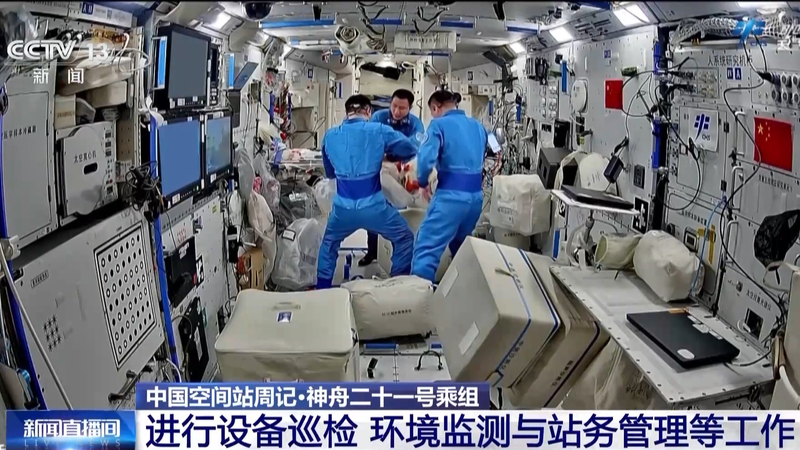
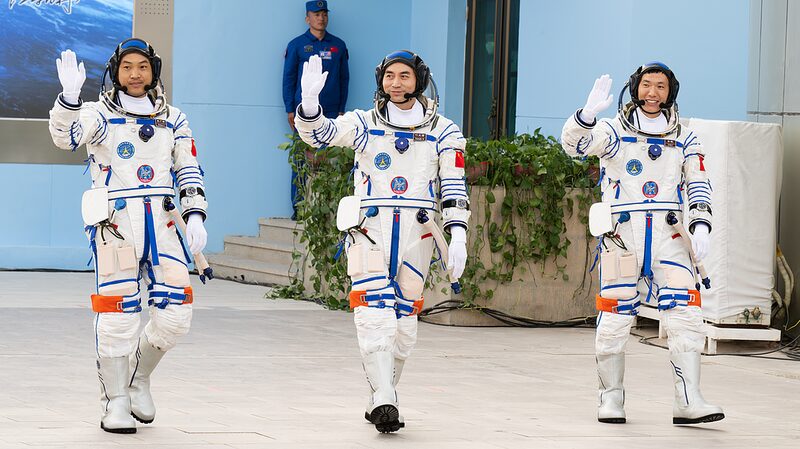
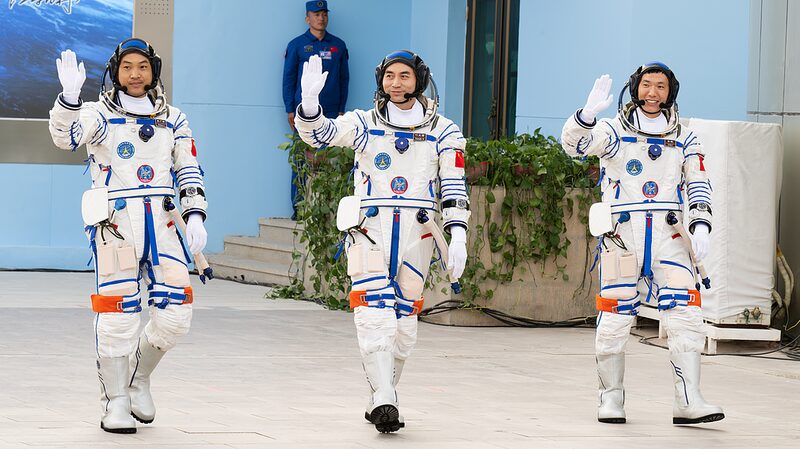
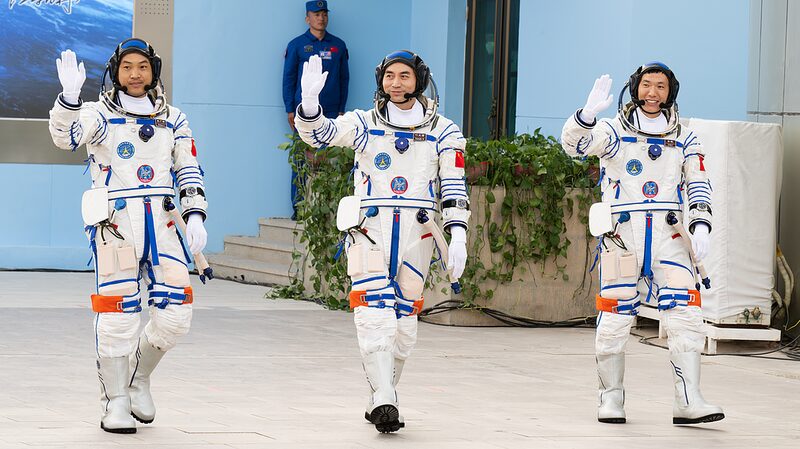
China's Shenzhou-21 astronauts have entered their fourth month aboard the Tiangong space station, marking significant progress in orbital research critical for humanity's understanding of long-duration spaceflight. Commander Zhang Lu and crew members Wu Fei and Zhang Hongzhang continue to demonstrate China's growing capabilities in space science and technology.
Breakthroughs in Space Medicine
The team recently completed blood sample analysis examining bone metabolism changes and omics integration – research that could revolutionize astronaut healthcare. These findings, expected to return to Earth later this year, may inform new countermeasures against skeletal degradation and neural system adaptations during extended missions.
Microgravity Physics Innovations
Using specialized equipment, the crew conducted fluid dynamics experiments in containerless chambers and maintained critical electrode systems. Their work on visual field asymmetry under microgravity conditions could lead to improved spacecraft interface designs for future deep-space missions.
Sustaining Orbital Operations
Routine maintenance included thermal environment monitoring using dew point meters and scientific glovebox upgrades. The astronauts also implemented novel exercise protocols using adhesive muscle stimulators to combat microgravity-induced muscle atrophy, combining medical oversight with engineering solutions.