Chinese scientists have achieved a landmark breakthrough in lunar research, confirming for the first time that impact cratering rates on the moon's near and far sides are fundamentally consistent. This discovery, published this week in Science Advances, resolves decades of uncertainty and establishes a unified framework for dating lunar surfaces globally.
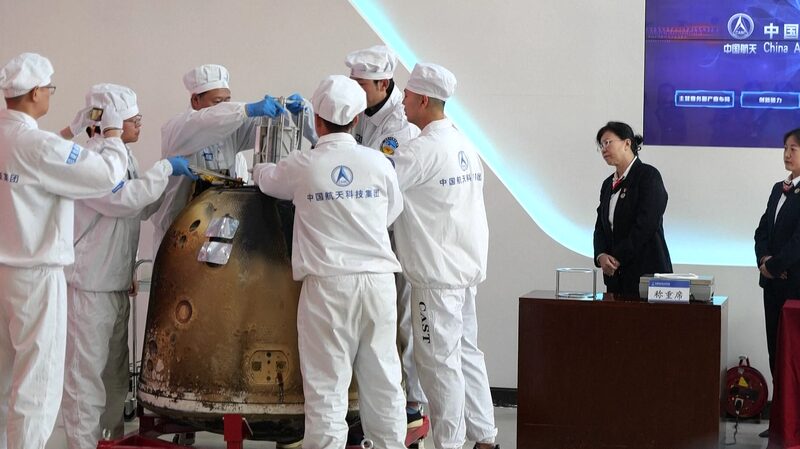
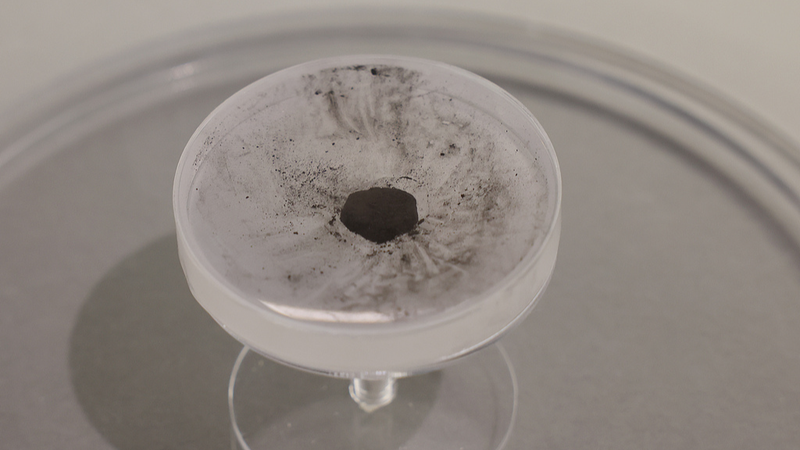
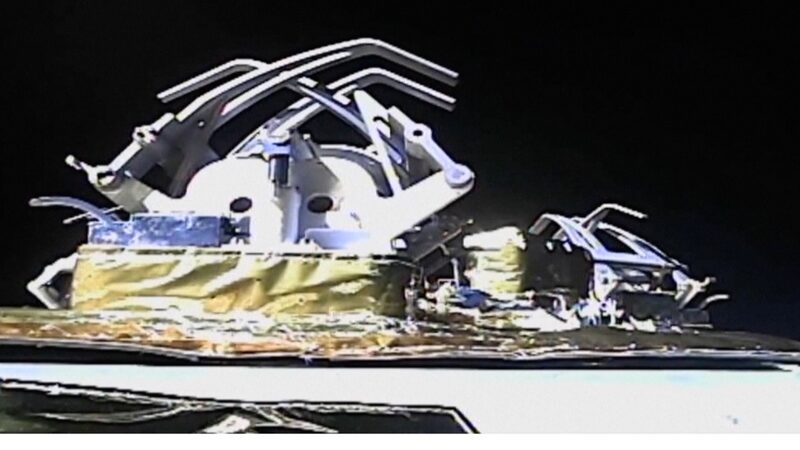
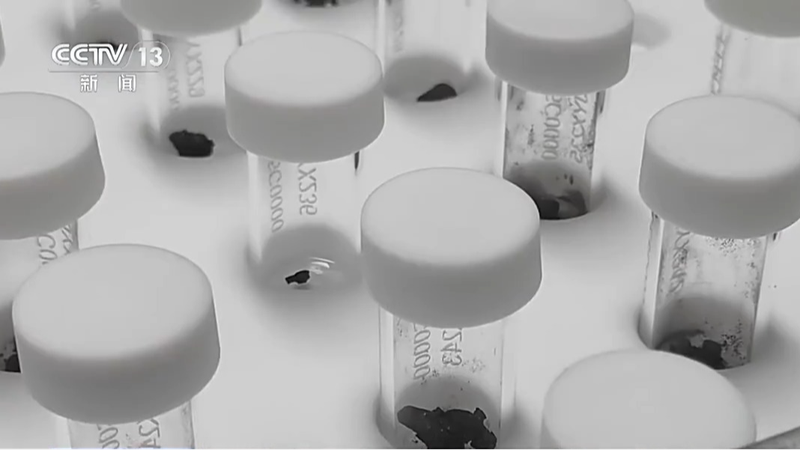
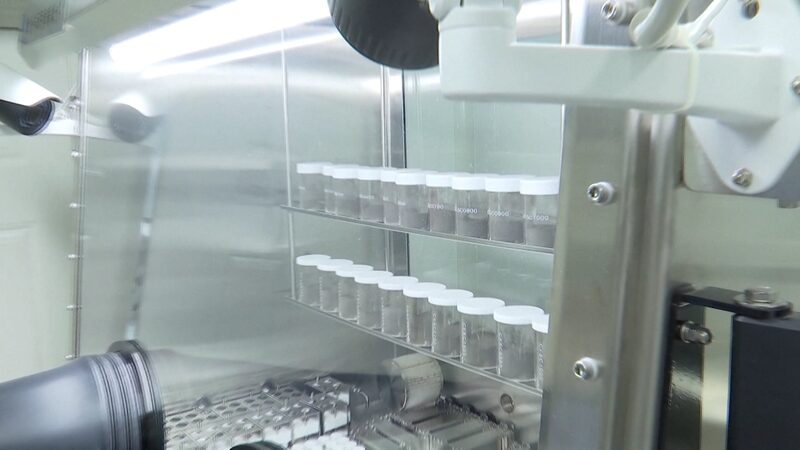
By analyzing 1,935 grams of far-side samples collected by China's 2024 Chang'e-6 mission from the Apollo Basin, researchers identified critical rock formations dating back 4.25 billion years. These specimens – particularly ancient norite from the South Pole-Aitken Basin's formation – provided the first direct evidence to recalibrate lunar impact models.
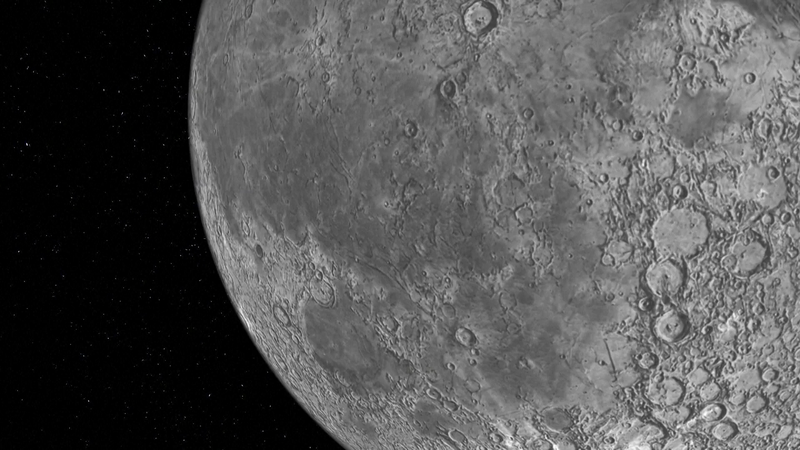
The international team, led by the Chinese Academy of Sciences, integrated this new data with historical samples from Apollo, Luna, and Chang'e-5 missions. High-resolution mapping of crater densities across both lunar hemispheres revealed remarkably uniform impact patterns, disproving previous theories of dramatic early lunar bombardment fluctuations.
"This homogeneity in impact flux means we can now date unsampled lunar regions with unprecedented confidence," explained lead researcher Yue Zongyu. The refined chronology model not only clarifies the moon's geological evolution but also provides a universal reference for dating surfaces across the solar system.
The findings underscore the pivotal role of China's lunar exploration program in advancing planetary science. As nations prepare for renewed moon missions, this research offers crucial insights for selecting future landing sites and interpreting extraterrestrial geological records.