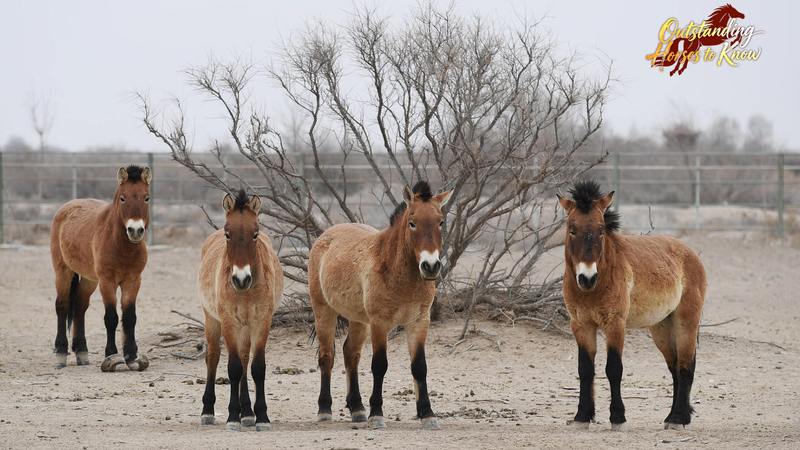
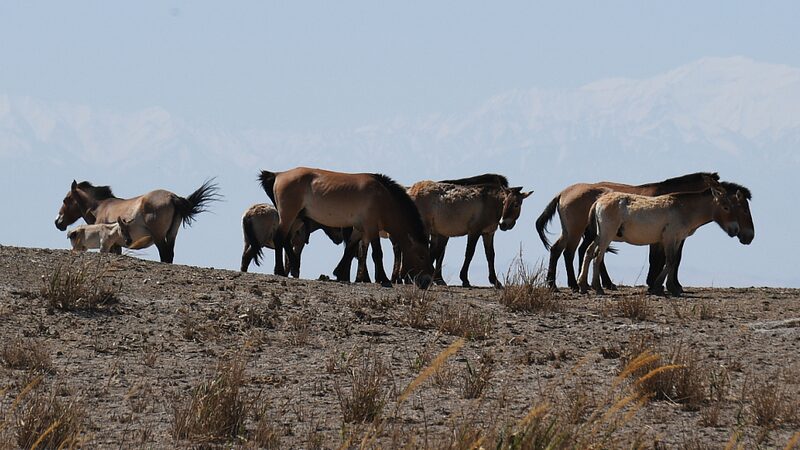
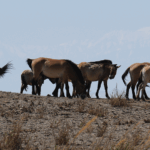
Once teetering on extinction, Przewalski's horses – Earth's last truly wild equines – now gallop across the arid landscapes of northwest China's Junggar Basin again, marking one of modern conservation's most remarkable comebacks. With evolutionary roots stretching back 60 million years, these 'living fossils' vanished from the wild in the mid-20th century before China initiated its groundbreaking rewilding program in 1985.
Through coordinated efforts at Xinjiang and Gansu breeding centers, scientists gradually restored populations using horses acquired from overseas zoos. By combining habitat rehabilitation with staged reintroductions, China's wild herd has grown to over 900 animals as of 2025 – representing a third of the global population.
Dr. Li Wei, a conservation biologist at Lanzhou University, notes: 'This success demonstrates how science-based policies and long-term investment can reverse ecological damage. The horses' return has revitalized entire steppe ecosystems.'
The program's achievements align with China's broader biodiversity goals under its ecological civilization framework, earning recognition from international bodies like the IUCN. As herds continue expanding, researchers are studying how these ancient grazers shape grassland health in the Xinjiang Uygur Autonomous Region.