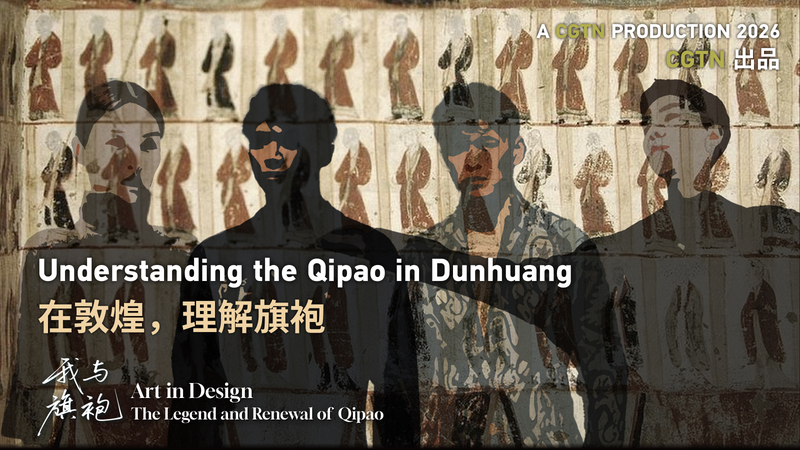
While the qipao remains synonymous with 20th-century Shanghai fashion, groundbreaking research by Professor Li Yingjun unveils its deeper connections to ancient Chinese artistic traditions found in Dunhuang's cave murals. Analyzing figures painted over a millennium ago, Li identifies flowing garment lines that demonstrate early Chinese understanding of human form and motion – design principles later embedded in the qipao's iconic structure.
The Mogao Caves' vibrant artworks, created between the 4th and 14th centuries, depict draped robes with diagonal closures and body-conscious silhouettes that foreshadow the qipao's distinctive characteristics. "These murals show how Chinese clothing evolution consistently balances aesthetic grace with functional movement," Li explains in his recently published paper.
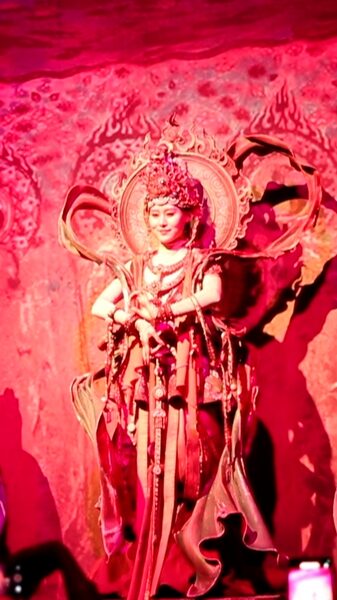
This discovery offers new perspectives for historians and fashion designers in 2026, revealing how contemporary interpretations of traditional dress might draw from deeper cultural wells. The research particularly resonates with Asian diaspora communities seeking to understand sartorial heritage through archaeological findings.